China’s Wealthy Shift From Property to Insurance and Gold as Retirement Nears
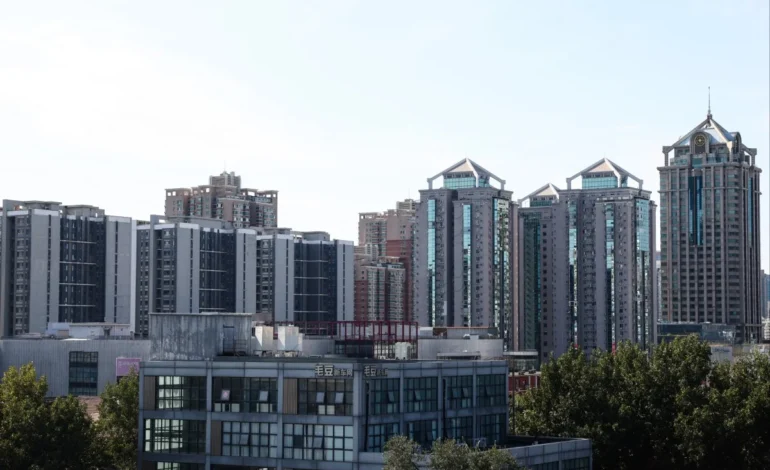
Property loses its once unchallenged appeal
For decades, real estate was the cornerstone of wealth accumulation in China, particularly among affluent households preparing for retirement. Property was seen not only as an investment but as a symbol of stability, status, and long term security. That perception is now changing. Slowing price growth, tighter regulations, and persistent uncertainty in the property sector have reduced returns and shaken confidence. As a result, many wealthy Chinese are reassessing their exposure to real estate and looking for alternatives that better align with retirement planning and capital preservation.
A strategic turn toward diversification
The shift away from property reflects a broader recognition of risk concentration. High net worth individuals who once held the majority of their assets in residential and commercial property are now seeking more balanced portfolios. Diversification has become a priority, driven by the desire to protect accumulated wealth rather than aggressively grow it. This change in mindset is especially pronounced among those approaching retirement age, for whom stability, predictability, and liquidity matter more than speculative upside.
Insurance products gain renewed attention
One of the most notable beneficiaries of this shift has been the high end insurance market. Wealthy individuals are increasingly purchasing large value life and annuity insurance policies as part of their financial planning. These products are viewed as tools for managing longevity risk, providing predictable income streams, and facilitating wealth transfer to the next generation. Unlike property, insurance policies offer clearer cash flow expectations and are less exposed to market cycles. For many, they also provide a sense of security that aligns with retirement focused priorities.
Gold regains its role as a store of value
Alongside insurance, gold has reemerged as a favored asset among China’s affluent. Traditionally associated with wealth preservation, gold is seen as a hedge against economic uncertainty, currency volatility, and broader financial risks. In an environment where property prices are no longer guaranteed to rise, gold offers psychological and practical reassurance. Physical gold purchases, as well as gold linked financial products, have reportedly gained traction as investors seek assets that are independent of domestic property dynamics.
Demographics and retirement pressure
China’s aging population is a key driver behind these changing investment behaviors. As retirement approaches, wealthy households face the challenge of ensuring sufficient income and stability over longer lifespans. Property, while valuable, is illiquid and can be costly to maintain. Insurance payouts and gold holdings, by contrast, are easier to plan around and, in some cases, easier to convert into cash. The demographic shift is therefore reinforcing the move away from property heavy portfolios.
Implications for China’s financial system
This reallocation of wealth has broader implications for China’s economy and financial markets. Reduced enthusiasm for property investment could further dampen demand in an already struggling sector. At the same time, growing interest in insurance and precious metals may encourage financial institutions to develop more tailored products for affluent and aging clients. Policymakers are also watching closely, as changes in household asset allocation can influence consumption patterns and long term financial stability.
A cautious but deliberate transition
The move away from real estate does not signal a complete abandonment of property by China’s wealthy, but it does mark the end of unquestioned dominance. Property is increasingly viewed as just one component of a broader strategy rather than the foundation of financial security. As retirement looms for a large segment of the affluent population, cautious diversification into insurance and gold reflects a pragmatic response to changing economic realities. The trend underscores a shift from growth driven ambition to preservation driven planning, reshaping how wealth is managed in China.