Chinese AI and Chip Startups Turn to Hong Kong to Attract Global Capital
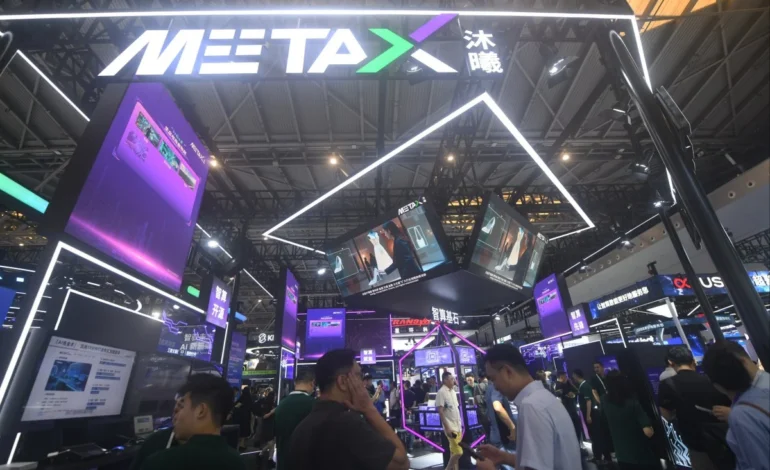
Chinese artificial intelligence and semiconductor startups are increasingly looking to Hong Kong as a gateway to global investors, with several high profile companies preparing listing plans in the city. Chipmakers GigaDevice and Montage are among those aiming to raise up to US$1 billion each through Hong Kong initial public offerings as early as January. Their moves reflect a broader shift in how Chinese technology firms seek international funding amid changing market conditions and tighter scrutiny in other financial centers.
Hong Kong regains appeal for tech listings
Hong Kong has re emerged as an attractive listing venue for mainland technology companies, particularly those operating in strategically important sectors such as AI and semiconductors. The city offers access to international capital while maintaining regulatory familiarity for Chinese firms. For startups navigating complex geopolitical and compliance environments, Hong Kong provides a balance between global visibility and proximity to domestic markets. Recent reforms to listing rules and renewed investor interest have further strengthened its appeal.
Ambitions behind billion dollar fundraising targets
GigaDevice and Montage are targeting sizeable fundraising rounds that underscore both their growth ambitions and capital intensity. Semiconductor and AI development require sustained investment in research, manufacturing partnerships, and talent. By aiming to raise as much as US$1 billion each, these companies signal confidence in their business prospects and in investor appetite for China linked technology stories. Large IPOs also provide balance sheet strength at a time when private funding has become more selective.
Global investors seek exposure to strategic sectors
Despite geopolitical tensions, global investors continue to look for exposure to sectors tied to long term technological transformation. AI and chip design are widely seen as foundational to future economic growth, from data centers and consumer electronics to automotive and industrial applications. Hong Kong listings allow international funds to participate in these themes while benefiting from the city’s established market infrastructure. For many investors, this route offers clearer governance and liquidity compared with private investments.
Navigating a complex regulatory environment
Chinese tech companies pursuing overseas listings must navigate both domestic oversight and international regulatory expectations. Listing in Hong Kong can ease some of these challenges, as the city operates under a legal and financial framework that is well understood by global investors while remaining acceptable to mainland regulators. For AI and chip startups, this pathway reduces uncertainty compared with listings in the United States, where regulatory and political risks have increased in recent years.
Strengthening innovation through capital access
Access to international capital is critical for sustaining innovation in capital intensive industries. Funds raised through Hong Kong listings are expected to support product development, capacity expansion, and overseas market penetration. For chip designers, this may include advancing process technologies and strengthening supply chain resilience. For AI focused firms, capital can accelerate model development, computing infrastructure investment, and commercialization efforts across multiple industries.
Signals for Hong Kong and China’s tech sector
The listing plans of GigaDevice and Montage send a broader signal about Hong Kong’s role in China’s technology financing ecosystem. As mainland firms recalibrate their global strategies, the city is positioning itself as a primary bridge between Chinese innovation and international capital. A successful wave of AI and semiconductor IPOs could reinforce Hong Kong’s status as a preferred hub for high value tech listings and shape how future Chinese startups approach global fundraising.