Chinese Arms Exporters Seen as Potential Beneficiaries of Pakistan Saudi JF 17 Discussions
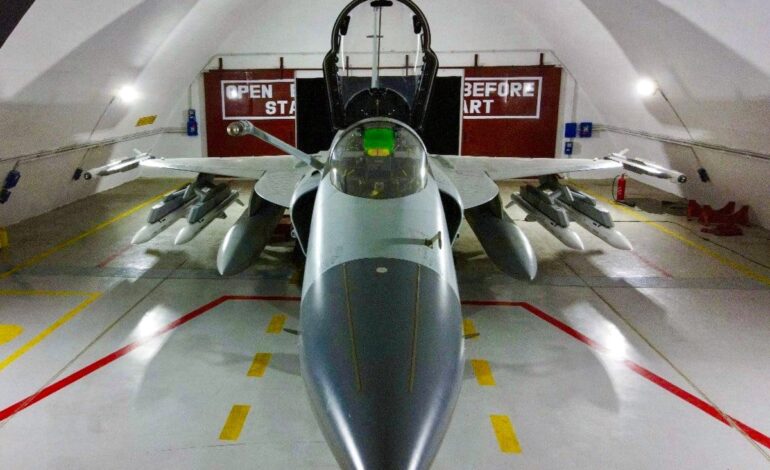
Reported discussions between Pakistan and Saudi Arabia over a possible fighter jet deal involving the JF 17 aircraft have drawn attention to the wider strategic implications for China’s defence industry. While no agreement has been confirmed, analysts say that even exploratory talks could represent a symbolic and commercial opportunity for Beijing as it seeks to expand arms exports in the Gulf region.
The JF 17 Thunder is jointly developed by Pakistan and China and has long been promoted as a cost effective multirole fighter suitable for countries looking to modernise their air forces without the expense and political conditions often attached to Western platforms. If Saudi Arabia were to seriously consider the aircraft, it would mark one of the most high profile potential endorsements of a Chinese linked combat aircraft in the Middle East.
Observers note that for China, the significance goes beyond a single sale. Defence cooperation involving the JF 17 would strengthen Beijing’s visibility as a viable arms supplier to Gulf states traditionally aligned with Western defence systems. China has steadily increased its military technology exports over the past decade, offering drones, missiles and air defence systems to countries seeking diversification in their security partnerships.
However, analysts caution that major obstacles remain. Saudi Arabia’s defence relationship with the United States is deep and long standing, and Washington’s security concerns could complicate any move toward acquiring aircraft tied to Chinese technology. The possibility of future sales of the F 35 to Saudi Arabia is also seen as a key factor, as Riyadh would be unlikely to jeopardise access to advanced US platforms by pursuing parallel deals that raise interoperability or intelligence sharing concerns.
Pakistan’s role in the discussions is also complex. Islamabad has actively promoted the JF 17 to international buyers, highlighting its operational experience and relatively low maintenance costs. For Pakistan, a deal with Saudi Arabia would be diplomatically valuable and could help support its domestic aerospace industry. At the same time, Pakistan must balance its strategic ties with China and its relationships with Gulf partners who have their own security calculations.
From Beijing’s perspective, any progress in talks would reinforce the narrative that Chinese defence technology has matured to the point where it can compete in markets once dominated almost exclusively by Western suppliers. Even if a deal does not materialise, the mere fact that a country like Saudi Arabia is reportedly considering such options signals growing interest in alternative suppliers amid shifting global power dynamics.
Sceptics argue that the talks may ultimately serve more as leverage than a prelude to an agreement. Gulf states have increasingly used discussions with non Western suppliers to gain bargaining power in negotiations with traditional partners. In this context, references to the JF 17 could be intended to signal Saudi Arabia’s desire for greater flexibility and autonomy in defence procurement.
Despite these doubts, defence analysts say Chinese arms exporters stand to gain from the broader trend toward diversification. As geopolitical tensions reshape alliances and procurement strategies, countries in the Middle East are reassessing their options. China’s willingness to offer competitive pricing, fewer political conditions and growing technical capabilities positions it as an attractive, if still controversial, alternative.
Whether or not Pakistan Saudi talks lead to a concrete agreement, the episode highlights China’s expanding role in the global arms market. For Beijing, visibility and credibility in discussions involving major regional powers may be almost as valuable as signed contracts.