Chinese Carmakers Accelerate Push Into Western EV Markets
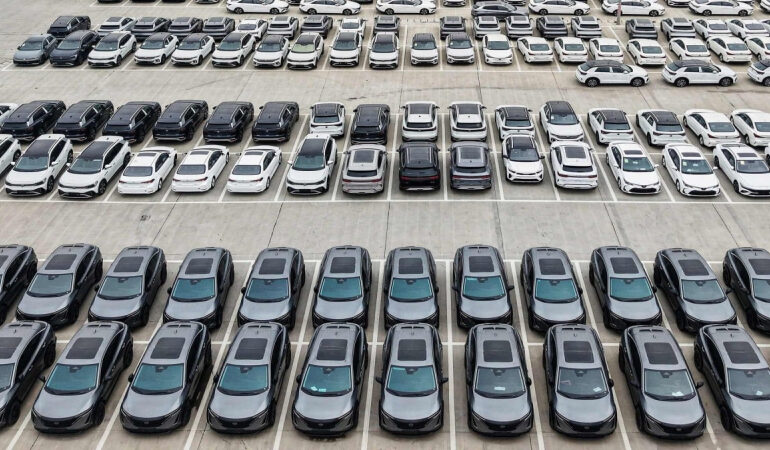
Chinese electric vehicle manufacturers are intensifying efforts to expand into Western markets as trade conditions begin to ease and global demand for competitively priced EVs grows. Recent progress in resolving the long running China EU dispute over electric vehicle subsidies has improved the outlook for market access, encouraging Chinese automakers to accelerate international expansion plans. European authorities have signalled openness to alternative mechanisms such as price floors to address concerns over state support, marking a shift away from punitive tariffs imposed in recent years. This policy adjustment has strengthened confidence among Chinese manufacturers that regulatory barriers may gradually soften, allowing them to compete more directly in advanced markets. The momentum reflects a broader recalibration of global EV trade flows as cost pressures, decarbonisation targets and consumer demand reshape competitive dynamics across regions.
The renewed push comes as structural differences between major EV markets become more pronounced. While China continues to scale production, improve battery technology and expand charging infrastructure, Western markets face higher costs and slower adoption rates. Chinese automakers have leveraged supply chain integration and manufacturing efficiency to deliver high performance models at lower price points, making them increasingly attractive to overseas consumers. Analysts view the coming year as a potential inflection point, with Chinese brands moving beyond emerging markets toward Europe and other developed economies. At the same time, trade tensions remain a constraint, with access dependent on regulatory compliance, localisation strategies and evolving political sentiment. The shift underscores how EV competition is becoming a central feature of global industrial rivalry rather than a niche technology race.
Beyond Europe, Chinese manufacturers are closely monitoring signals from other Western economies where attitudes toward Chinese EV imports are becoming more pragmatic. Slowing domestic demand growth has also reinforced the need for overseas expansion to sustain production momentum at home. For policymakers in Beijing, the sector’s globalisation aligns with broader objectives to move up the value chain and secure leadership in next generation industries. For Western governments, the challenge lies in balancing industrial protection with climate goals and consumer affordability. As trade disputes evolve into negotiated frameworks, Chinese EV makers appear positioned to play a more prominent role in shaping the global electric vehicle landscape.