Chinese Electric Freight Truck Makers Challenge European Market with Lower Prices and Advanced Technology
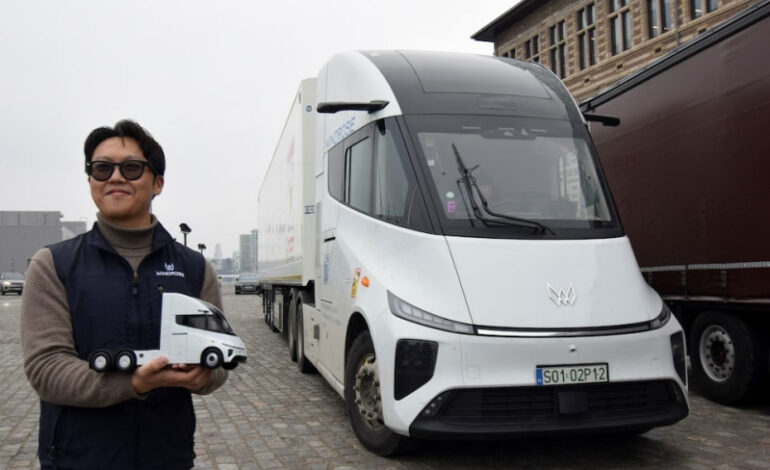
European truck manufacturers are preparing for growing competition as several Chinese electric freight truck companies plan to enter the European market with lower priced vehicles and rapidly advancing technology. Industry analysts say the arrival of Chinese manufacturers could reshape the heavy duty truck sector in Europe, particularly as electric trucks gain momentum in the transition toward cleaner transport. Companies from China are expected to begin large scale sales across Europe in 2026, marking a significant expansion beyond their domestic market where electric freight vehicles have already achieved strong adoption.
A number of Chinese manufacturers are preparing to launch trucks in Europe, including BYD, Geely owned Farizon, Sany, Sinotruk, and newer companies such as Windrose and SuperPanther. Many of these companies aim to offer electric freight trucks at prices significantly lower than those produced by established European manufacturers. Industry executives say some Chinese models could enter the market at prices up to thirty percent below the European average price for electric heavy trucks. Their cost advantage is largely supported by China’s large scale electric vehicle production ecosystem and a well developed domestic battery supply chain.
Electric freight trucks still represent a relatively small share of Europe’s overall truck market, although adoption has been growing gradually in recent years. Industry estimates suggest electric trucks accounted for just over four percent of total truck sales in the European Union last year. However high prices have remained a major obstacle to wider adoption, with many electric models costing several times more than traditional diesel trucks. Chinese manufacturers believe competitive pricing combined with improved battery performance and longer driving range could accelerate the shift toward zero emission freight vehicles across Europe.
European truck manufacturers including Daimler Truck, Volvo Group, Iveco, and Volkswagen controlled Traton currently dominate the regional market and have long standing relationships with major fleet operators. Despite that advantage, industry leaders acknowledge that Chinese companies are moving quickly with new technology and faster product development cycles. Some executives say the speed at which Chinese truckmakers have introduced competitive electric models has surprised established manufacturers, forcing them to reassess their own product strategies and investment priorities.
To strengthen their position in Europe, several Chinese companies are already planning local production and service networks to support customers. Some manufacturers are exploring partnerships with European factories or logistics networks to assemble trucks locally and provide maintenance services. European companies are also responding by expanding research and development operations in China to better understand the technological progress of their competitors. Analysts say the growing rivalry between Chinese and European truckmakers could intensify innovation in electric freight transport as both sides compete for leadership in the global transition to zero emission commercial vehicles.