Chinese EV makers lift prices as cost pressures rise but demand concerns cloud outlook
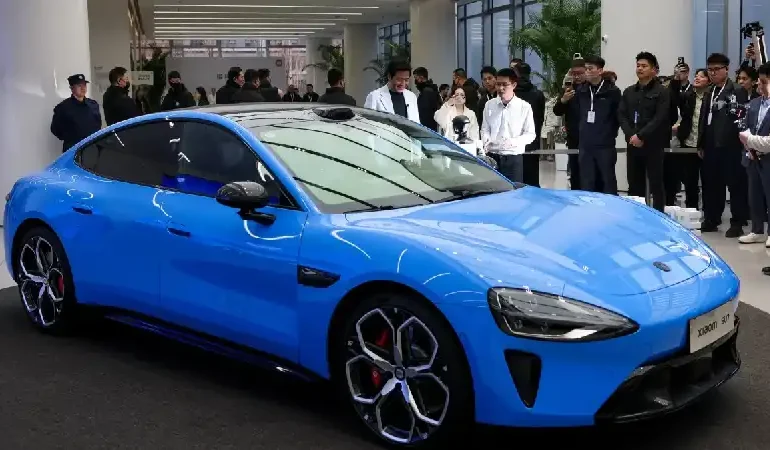
A fresh round of price increases by major Chinese electric vehicle manufacturers is highlighting growing pressure across the supply chain, even as weakening domestic demand raises doubts about how long the adjustments can last. Several automakers have moved to pass rising component costs onto consumers, signaling a shift after months of intense price competition in China’s EV market. However, analysts warn that fragile consumer sentiment and slowing sales growth could limit the industry’s ability to sustain higher pricing, potentially forcing companies to reverse course if demand continues to soften.
Xiaomi has emerged as the latest company to adjust pricing, raising the starting cost of its new generation SU7 standard model to 219900 yuan, reflecting a 4000 yuan increase from earlier levels. The company attributed the move to sharp increases in supply chain expenses, particularly in key components linked to batteries, electronics, and advanced driving systems. Similar steps were taken earlier in March by Chery’s premium Exeed brand, which increased prices for its ET5 model by 5000 yuan while also introducing additional charges for features that were previously offered without cost, effectively lifting the total price adjustment to 10000 yuan.
Industry observers say the current pricing trend reflects mounting cost pressures tied to raw materials, battery inputs, and semiconductor components, all of which have seen volatility in recent months. Supply chain disruptions and tighter inventories have pushed manufacturers to reconsider pricing strategies after an extended period of aggressive discounts aimed at capturing market share. While higher prices may help protect margins in the short term, they also risk slowing consumer adoption in a market that has been highly sensitive to price competitiveness and promotional incentives.
Executives have acknowledged the delicate balance between maintaining profitability and sustaining sales momentum. Lei Jun, founder and chief executive of Xiaomi, pointed to surging component costs as a key driver behind the company’s pricing decision, noting that manufacturers are facing unprecedented cost pressures across multiple inputs. Analysts echo this view but caution that the broader market environment remains challenging, with consumer demand showing signs of fatigue following a prolonged phase of rapid growth and price driven competition among domestic brands.
China’s electric vehicle sector has been defined by intense rivalry, with dozens of manufacturers competing across a wide range of price segments. Over the past year, price cuts and promotional campaigns have played a central role in driving sales volumes, but they have also compressed margins and increased financial strain for smaller players. The recent shift toward price increases suggests that some companies are attempting to restore profitability, even as they navigate a market where consumer expectations remain closely tied to affordability and value.
The broader economic backdrop is also influencing purchasing behavior, as slower income growth and cautious consumer sentiment weigh on big ticket spending decisions. While government policies continue to support the transition to electric mobility, demand growth has become less predictable, particularly in lower tier cities where price sensitivity is higher. This environment makes it difficult for manufacturers to implement sustained price increases without risking a decline in sales volumes, especially as competition remains intense across both domestic and international brands operating in China.
Market developments indicate that some automakers are already exploring flexible pricing strategies to respond to shifting demand conditions. These include limited time incentives, bundled features, and targeted discounts designed to maintain sales while managing cost pressures. At the same time, companies are investing in supply chain optimization and technological improvements to reduce dependence on volatile inputs, aiming to stabilize production costs over the longer term.
The latest adjustments by Xiaomi and other manufacturers suggest that pricing dynamics in China’s EV market are entering a new phase, shaped by the interaction between rising costs and uncertain demand. Industry participants are closely monitoring sales data and consumer response to determine whether the current price increases can be sustained or whether competitive pressures will force a return to discount driven strategies in the months ahead.