Chinese exports face growing resistance as developing markets tighten trade defenses
Chinese exports are encountering rising barriers across key developing markets as countries in Africa, Asia, and Latin America introduce new anti dumping measures targeting low cost imports. Recent actions by South Africa, Mexico, and India signal a broader shift among Global South economies that are increasingly seeking to protect domestic industries from competitive pressure. The move reflects mounting concerns over the impact of Chinese goods on local manufacturing sectors, particularly in areas such as steel and industrial materials where price competition has intensified over recent years.
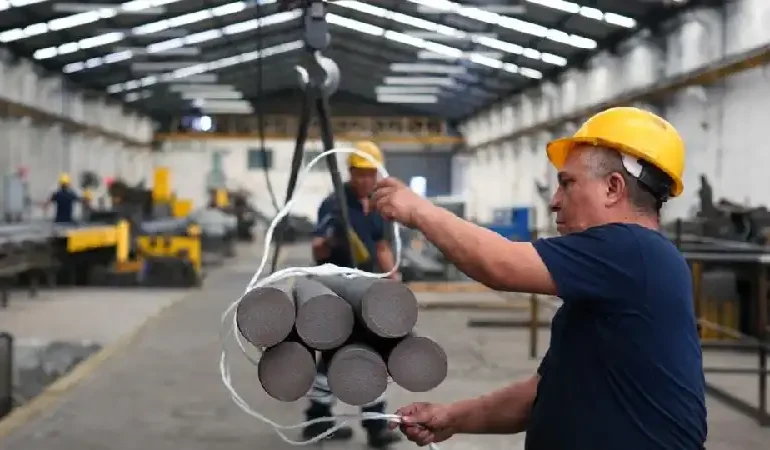
Authorities in these markets have launched investigations and imposed restrictions on selected Chinese products, focusing on sectors where domestic producers have reported significant losses. Steel exports and industrial yarn have come under particular scrutiny, with policymakers arguing that imported goods are being sold at prices that undermine local industries. These measures are part of a growing toolkit that includes tariffs, quotas, and regulatory checks aimed at balancing trade flows while supporting domestic production capacity in emerging economies.
Analysts say the coordinated pattern of actions across multiple regions highlights a structural shift in global trade dynamics, as countries that once relied heavily on affordable imports begin to reassess their exposure. Rising industrial ambitions within developing economies are driving governments to adopt more protective policies, especially as they seek to build resilient manufacturing bases. The trend also reflects broader geopolitical and economic pressures, including supply chain disruptions and the desire to reduce dependence on external suppliers for critical materials.
Trade experts note that the impact of these measures could extend beyond the immediate sectors targeted, influencing broader export strategies for Chinese manufacturers. Companies may need to diversify markets, adjust pricing strategies, or move parts of their production closer to end markets to avoid trade barriers. At the same time, policymakers in affected countries are attempting to strike a balance between protecting local industries and maintaining access to affordable goods that support infrastructure and industrial development.
China’s export sector has long benefited from its scale, cost efficiency, and integrated supply chains, allowing it to dominate global markets in a wide range of products. However, as competition intensifies and more countries adopt defensive trade measures, the environment is becoming more complex. The shift suggests that trade relations between China and the Global South are entering a new phase, where economic cooperation coexists with increasing friction over market access and industrial policy.
Beyond trade policy, the development also reflects changing priorities within emerging markets, where governments are placing greater emphasis on domestic value creation and job growth. Efforts to strengthen local industries are being supported by policy frameworks that encourage investment, technology transfer, and capacity building. In this context, anti dumping actions are being used not only as a defensive tool but also as part of a broader strategy to shape industrial development pathways.
Recent signals indicate that further trade actions may follow as governments continue to monitor the impact of imports on their economies. Industry groups in several countries have called for additional safeguards, while policymakers are reviewing existing trade agreements and enforcement mechanisms. The evolving landscape suggests that Chinese exporters will need to navigate an increasingly fragmented global market, where access conditions vary significantly across regions and sectors.