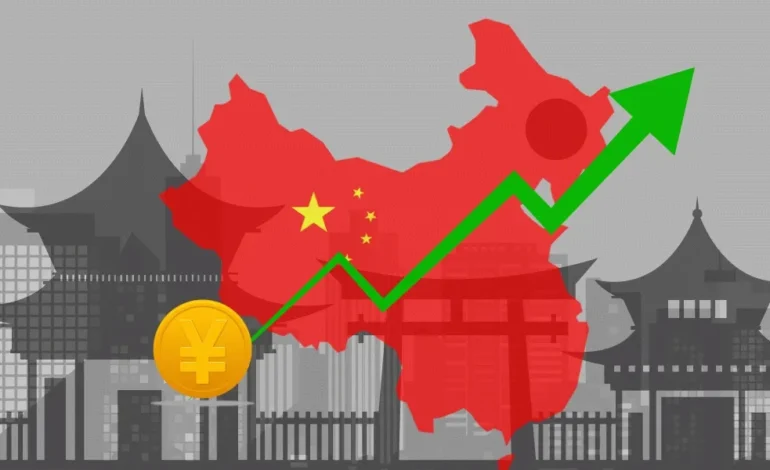
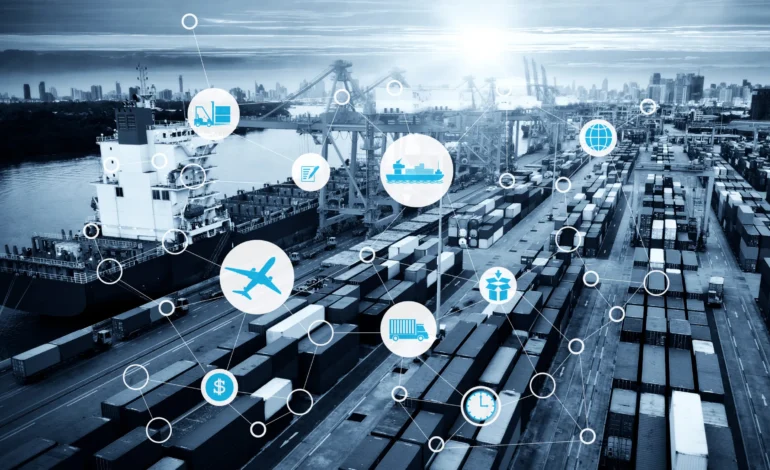
Chinese Fintech Innovations Driving Global Trade and Supply Chain Efficiency

Chinese fintech is transforming global trade by enabling more efficient, transparent, and secure supply chain operations. Innovative platforms in payments, trade finance, and blockchain are helping businesses streamline processes, optimize logistics, and expand international trade participation. By integrating AI, big data, and digital tools, Chinese fintech is reducing operational friction, lowering costs, and increasing transparency across complex trade networks. These solutions benefit small and medium-sized enterprises (SMEs), multinational corporations, and logistics providers, enhancing the overall efficiency of global commerce.
Digital Trade Finance Solutions
Trade finance is one of the key areas where fintech has had a significant impact. Platforms now digitize letters of credit, guarantees, and invoice financing, automating approval and verification processes. Traditional paper-based systems often cause delays, errors, and operational bottlenecks, but fintech platforms allow near-instantaneous validation of trade documents. Automated workflows reduce transaction times and increase reliability, enabling exporters and importers to execute cross-border transactions with improved efficiency.
SME Access to International Trade
Access to trade finance has historically been a barrier for SMEs. Fintech lending platforms leverage alternative data, transaction histories, and AI algorithms to assess creditworthiness and provide tailored financing solutions. SMEs can secure working capital, participate in international supply chains, and expand their market reach without relying solely on traditional banking institutions. This democratization of trade finance empowers smaller businesses to compete in global markets and strengthens China’s export ecosystem.
Blockchain-Enabled Supply Chains
Blockchain technology plays a crucial role in improving supply chain transparency. Chinese fintech providers implement distributed ledgers to record each step of the production, shipment, and delivery process. Stakeholders, including manufacturers, logistics firms, and customs authorities, can verify the authenticity and status of goods in real time. Smart contracts automate payments and approvals upon the completion of predefined milestones, reducing disputes, enhancing trust, and ensuring the timely execution of supply chain operations.
AI and Data Analytics in Logistics
Artificial intelligence and advanced data analytics enhance supply chain efficiency by predicting bottlenecks, optimizing routes, and forecasting demand. Fintech platforms analyze transaction and shipment data to identify risks, such as delays, customs issues, or quality concerns. Predictive analytics allow logistics managers to adjust supply routes, allocate resources efficiently, and minimize downtime. These technologies improve reliability, reduce costs, and strengthen the resilience of international trade networks.
Integration with Digital Payment Platforms
Fintech platforms integrate seamlessly with digital payment systems to facilitate global trade. Real-time payment processing, automated reconciliation, and multi-currency support reduce friction in cross-border transactions. Businesses can execute payments for suppliers, customs fees, and shipping services quickly and securely. Integration with payment platforms also enables transparency in fund allocation, creating a clear audit trail and reducing the risk of errors or fraud.
Enhancing Supply Chain Transparency
Transparency is critical for international trade compliance and operational efficiency. Fintech innovations allow all participants to access verified, real-time data regarding inventory, shipment status, and financial flows. This visibility improves coordination between buyers, suppliers, and logistics providers, reduces disputes, and facilitates compliance with international trade regulations. Transparent systems also help enterprises respond quickly to disruptions, maintaining reliability in supply chains.
Sector-Specific Applications
Different sectors leverage fintech innovations to meet unique trade and operational requirements. Manufacturing companies track components and raw materials across multiple regions using blockchain and IoT-enabled logistics. Agriculture and food exporters monitor product quality, shipment conditions, and timely delivery to international markets. E-commerce companies integrate fintech for payments, order processing, and cross-border logistics, ensuring timely fulfillment and customer satisfaction. Each sector benefits from tailored solutions that enhance efficiency and competitiveness.
Regulatory Compliance and Risk Management
Fintech platforms help enterprises comply with local and international regulations. Automated verification, audit trails, and integrated compliance tools ensure adherence to anti-money laundering (AML), customs, and trade regulations. Risk management is enhanced through real-time monitoring, predictive analytics, and smart contract enforcement, reducing exposure to fraud, delays, and financial losses. By embedding compliance into digital workflows, fintech solutions maintain reliability and trust across trade networks.
Economic and Strategic Implications
The adoption of Chinese fintech in global trade strengthens the country’s economic influence by improving trade efficiency, reducing operational costs, and supporting SMEs in accessing international markets. Enhanced supply chain transparency increases trust between global partners, facilitating more trade agreements and collaborations. These technological innovations contribute to China’s competitiveness in global commerce while supporting long-term integration of digital finance into international trade infrastructure.
Challenges and Considerations
Despite its benefits, implementing fintech solutions for global trade presents challenges. Interoperability with legacy systems and international standards can be complex. Data privacy, cybersecurity, and system scalability must be addressed to ensure secure operations. Companies must navigate diverse regulatory frameworks across countries. Continuous innovation, standardization, and cross-border cooperation are necessary to address these challenges and maximize the effectiveness of fintech-enabled trade solutions.
Future Outlook
Chinese fintech is expected to continue driving global trade efficiency with deeper integration of AI, blockchain, and cloud-based platforms. Real-time supply chain monitoring, predictive analytics, and automated trade finance solutions will expand adoption among SMEs and corporates. The sector is likely to support more resilient, transparent, and efficient trade networks, fostering greater participation in international markets and strengthening China’s role in global commerce.
Conclusion
Fintech innovations are reshaping global trade by enhancing financial efficiency, supply chain transparency, and operational resilience. Chinese platforms provide digital trade finance, AI-driven logistics, blockchain-enabled monitoring, and integrated payment systems, enabling SMEs and multinational enterprises to operate more effectively across borders. While challenges remain, these innovations reduce costs, improve transparency, and foster trust among trade partners. As fintech continues to evolve, it will remain a key driver of global trade efficiency and China’s competitiveness in international markets.