Chinese Husband Receives 50 Tonnes of Donated Produce to Save Wife in Moving Act of Kindness
A personal tragedy becomes a community story
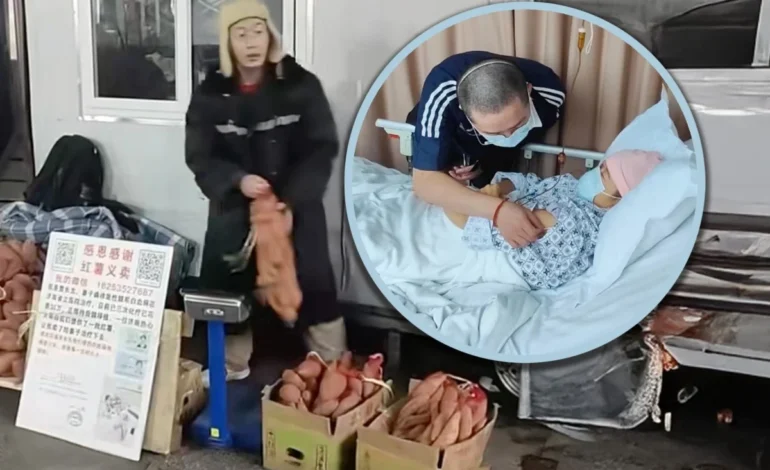
In a quiet Chinese city, a husband’s desperate effort to save his wife has turned into an extraordinary story of generosity and resilience. Facing medical bills of around US$285,000, the man took to the streets to sell vegetables, hoping that small daily earnings could help fund his wife’s treatment. What followed was something he never expected: a mystery donor began sending huge quantities of produce, eventually totaling 50 tonnes.
The donation transformed a simple street stall into a symbol of collective compassion, drawing attention from passersby and online communities alike.
The fight to raise life saving funds
The man’s wife has been battling a serious illness requiring prolonged and costly treatment. Like many families, they found themselves overwhelmed by expenses not fully covered by insurance. Determined to do everything possible, the husband began selling root vegetables at a roadside stall, working long hours while caring for his wife.
Each day’s earnings were modest, but his persistence reflected a belief that every yuan mattered. The stall quickly became known in the neighborhood, not because of profit, but because of the story behind it.
A mystery donor steps in
The turning point came when a donor, whose identity remains unknown, contacted the man and offered support in an unusual way. Instead of cash, the donor arranged for truckloads of root vegetables to be delivered in batches. Over time, the total volume reached an astonishing 50 tonnes.
The produce included everyday staples that could be sold easily at affordable prices, ensuring steady turnover. For the husband, the deliveries were both a blessing and a responsibility. He now had the means to raise funds faster, but also the challenge of selling massive quantities before the vegetables spoiled.
Selling hope one vegetable at a time
Rather than raising prices, the man continued selling at reasonable rates, encouraging more people to buy. Customers often purchased more than they needed, aware that their money was helping fund medical care. Some returned repeatedly, while others spread the word through social media.
The stall evolved into a small hub of human connection. Conversations replaced transactions, and the act of buying vegetables became an expression of solidarity rather than charity.
Why the story resonates across China
The story has struck a chord because it reflects familiar pressures faced by ordinary families. Medical costs remain a heavy burden, and many people relate to the fear of falling short when loved ones are ill.
At the same time, the mystery donor’s approach captured public imagination. By donating produce rather than cash, the donor preserved the man’s dignity and allowed him to earn support through honest work rather than direct handouts.
The economics of generosity
Selling 50 tonnes of vegetables is no small task. The husband organized his days around deliveries, storage and long hours at the stall. Volunteers and neighbors occasionally helped with transport and sales, turning the effort into a shared mission.
The proceeds have brought the family closer to the required treatment funds, though the journey is not yet complete. Every sale pushes them forward, reinforcing the idea that collective action can make a tangible difference.
Online attention and offline impact
As the story spread online, attention followed, but the man remained focused on his goal. He avoided turning the situation into spectacle, emphasizing that the vegetables were simply for sale and that support came through participation, not pity.
This grounded approach earned respect and sustained interest, preventing the story from fading as a passing trend.
A reminder of quiet heroism
Beyond the numbers, the story is about quiet heroism. A husband refused to surrender to circumstance, a donor chose anonymity over recognition, and countless buyers contributed in small but meaningful ways.
In a world often dominated by headlines of conflict and division, this episode stands as a reminder that compassion can still arrive unexpectedly, sometimes by the truckload.