Chinese Province Considers New Digital Yuan Use Case Paying Long Delayed Chain Debts
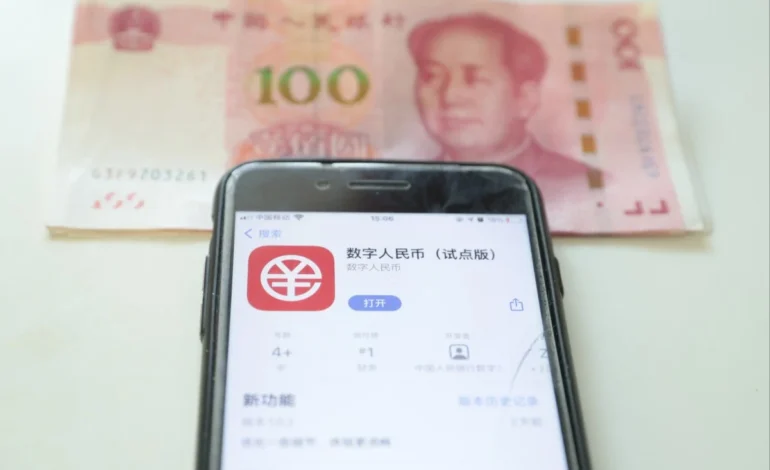
China is exploring a new and potentially transformative use for its central bank backed digital currency, the e CNY. Authorities in Hunan province have suggested that the digital yuan could help address long standing payment delays that affect multiple industries across the country. These delays, known as chain debts, occur when companies owe money to one another in lengthy and often opaque networks of financial obligations. The idea of using the digital yuan to resolve these challenges introduces a fresh role for the currency, expanding its purpose beyond the pilot projects China has pursued since first launching it in 2019.
Hunan’s Proposal to Improve Transparency
Hunan’s government introduced the concept in a recent document outlining efforts to scale up digital yuan adoption. The plan mentioned exploring a system in which the e CNY would be used to directly settle payments along an entire chain. This could ensure funds reach the final recipient without being held up at intermediate stages. Although the proposal is still at an early stage, the idea has already sparked discussion among economists and digital finance experts. They believe the transparency and traceability embedded in the digital yuan could bring much needed clarity to a system that has long struggled with hidden liabilities.
Economist Tan Junyu from the trade credit insurer Coface noted that the e CNY could make it easier to monitor payment flows in real time. With clearer visibility over transactions, regulators and businesses would be better equipped to manage risks associated with delayed payments. This is particularly valuable in industries where chain debts place heavy strain on suppliers and can lead to wider financial instability.
Understanding Chain Debts and Their Impact
Chain debts, also known as triangular debts, describe situations in which multiple companies owe each other money in a complex sequence of obligations. When one company fails to pay, the consequences ripple outward, causing financial stress across many interconnected sectors. These debts often accumulate quietly because relationships between payers and payees are not always transparent. In industries such as automotive manufacturing, larger companies hold significant bargaining power over smaller suppliers. Delays in payment can leave suppliers struggling to continue operations, ultimately harming the broader economic ecosystem.
Chain debts have been a recurring issue in China over the years. Despite government efforts to reduce them, the scale and complexity of modern supply chains make them difficult to eliminate. Introducing a secure and traceable digital payment method could simplify the process and ensure that funds are transferred more directly and reliably.
How the Digital Yuan Could Help
The digital yuan offers several features that make it well suited for handling multi layer payment structures. Because the currency is issued and monitored by the central bank, each transaction can be tracked with far more accuracy than traditional payments. If implemented effectively, a digital yuan system for settling chain debts could record every step of a payment’s journey, offering transparency that reduces uncertainty for businesses and regulators alike.
This clarity also helps improve trust between companies. When suppliers know that payments will arrive without unnecessary delays, they can plan production, manage inventories and make investment decisions with greater confidence. For the government, the ability to observe payment flows in real time can help identify bottlenecks, prevent financial risks and maintain a healthier economic environment.
Looking Ahead
Hunan’s proposal signals that China continues to experiment with fresh applications for the digital yuan as part of a broader strategy to modernise financial infrastructure. While detailed plans have not yet been released, the idea reflects growing recognition that digital currencies can play a meaningful role beyond retail transactions and consumer level trials. If successful, this approach could inspire similar initiatives in other provinces and deepen the integration of the digital yuan into China’s economic system.
As the country works to enhance transparency and reduce financial strain caused by long delayed payments, the digital yuan may emerge as an important tool for building confidence throughout supply chains. The initiative highlights how digital finance innovations can address real world economic challenges and create pathways toward more stable and efficient business practices.