Chinese Remote Sensing Scientist Zhang Jinshui Dies at 47 Leaving Legacy in Agricultural Technology
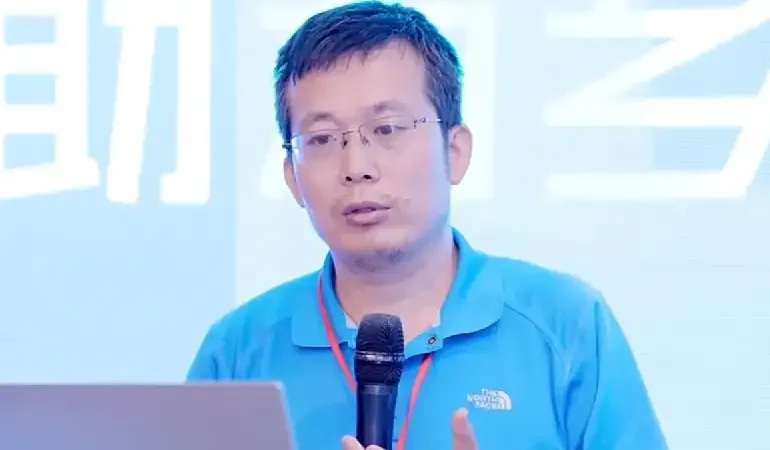
Zhang Jinshui, a prominent Chinese scientist known for his work in remote sensing and agricultural technology, has died at the age of 47, marking a significant loss for China’s scientific community. He played a key role in advancing the use of satellite data to improve food security and agricultural monitoring across the country. His contributions helped strengthen the integration of geospatial technologies into national planning, particularly in areas related to crop assessment and environmental management. His passing has drawn attention to the growing importance of scientific innovation in supporting China’s long term development goals.
Zhang served as a professor and doctoral supervisor at Beijing Normal University, where he led research in geographical science and remote sensing applications. His work focused on using advanced satellite systems to analyse land use patterns, monitor crop health and support data driven decision making in agriculture. These efforts contributed to improving yield predictions and resource management, offering practical solutions to challenges faced by farmers and policymakers. His research also supported broader initiatives aimed at enhancing sustainability and resilience within China’s agricultural sector.
Remote sensing has become an essential tool in modern agriculture, enabling real time monitoring of environmental conditions and more accurate forecasting of production trends. Zhang’s work was part of a wider effort to integrate digital technologies into traditional industries, aligning with national priorities around food security and technological self reliance. By combining satellite imagery with analytical models, his research helped create systems capable of responding more effectively to climate variability and changing agricultural conditions across different regions.
Colleagues and institutions have recognised Zhang’s contributions to both academic research and applied innovation. His leadership in major research programmes helped position China as a significant player in the field of remote sensing and geospatial analysis. Beyond his technical achievements, he was also involved in mentoring students and developing future talent in the discipline. His work has had a lasting impact on how scientific knowledge is translated into practical applications that benefit society and the economy.
His passing comes at a time when China continues to invest heavily in advanced technologies to support national priorities, including food security, environmental monitoring and digital infrastructure. The systems and methodologies developed through his research are expected to remain relevant as the country expands its use of satellite based data in planning and policy. Zhang’s legacy reflects the critical role of scientific expertise in shaping modern development strategies and highlights the importance of continued innovation in addressing complex challenges.