Chinese Sports Official Dismissed After Abuse Claims by Dragon Boat Champion Deemed Credible
A Chinese sports official accused of verbally and physically abusing elite athlete Wang Li has been dismissed after an internal investigation found the allegations to be “basically true”, according to the provincial sports authority responsible for overseeing her training. The decision has drawn widespread attention in China’s sporting community and renewed debate over athlete welfare and accountability within state run training systems.
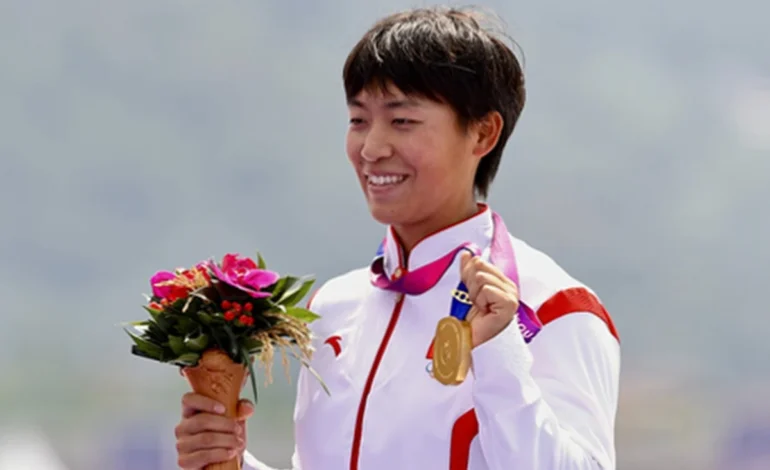
Wang Li, a prominent dragon boat athlete and triple gold medallist at the Asian Games, had raised complaints about mistreatment by a supervising official, alleging both verbal humiliation and physical misconduct during training. Her accusations prompted a formal review by local sports authorities, amid growing public scrutiny over how athletes are treated behind the scenes.
In a statement released this week, the provincial sports body said its investigation had substantiated the core elements of Wang’s claims. As a result, the official involved was removed from their post and subjected to disciplinary action in line with internal regulations. The authority did not release the individual’s name, citing privacy and procedural considerations, but confirmed that the dismissal reflected the seriousness of the findings.
The case has resonated beyond dragon boat racing, a sport that holds cultural significance in China and has gained international recognition through competitions such as the Asian Games. Wang Li is widely regarded as one of the country’s leading figures in the discipline, and her success has made her allegations particularly impactful. Supporters say her status gave visibility to issues that many lesser known athletes may struggle to raise.
China’s sports system has long been admired for producing world class results, but it has also faced criticism for its intense training culture and hierarchical management structures. Athletes often begin specialised training at a young age and rely heavily on coaches and officials for career progression, a dynamic that can make it difficult to speak out against mistreatment.
In recent years, Chinese authorities have signalled a greater emphasis on athlete rights and wellbeing, alongside performance goals. High profile cases have prompted reforms aimed at improving complaint mechanisms, mental health support and oversight of coaching practices. The outcome of Wang Li’s case is being viewed as a test of whether those commitments translate into meaningful enforcement.
The provincial sports authority said it would use the case as a warning example and pledged to strengthen supervision across training programmes. Officials said additional measures would be introduced to prevent abuse, including clearer reporting channels and stricter evaluation of staff conduct. They also emphasised that safeguarding athletes’ dignity and health is essential for sustainable sporting development.
Public reaction on Chinese social media has been largely supportive of Wang Li, with many users praising her courage and calling for broader systemic change. Some commentators argued that the phrase “basically true” highlights lingering ambiguity and urged authorities to be more transparent in future investigations. Others saw the dismissal as a positive signal that complaints from athletes will no longer be ignored.
Wang Li has not issued a detailed public response since the announcement, but supporters say the decision represents an important step toward justice. Advocates for athlete welfare stress that protection should not depend on medals or fame, and that clear standards must apply at all levels of sport.
As China continues to balance elite performance with modern governance standards, the case underscores the growing expectation that success should not come at the cost of abuse. For many observers, the dismissal marks progress, but also a reminder of the work still needed to ensure safe and respectful environments for athletes across the country.