Comparing RMBT with USDC and Other Stablecoins
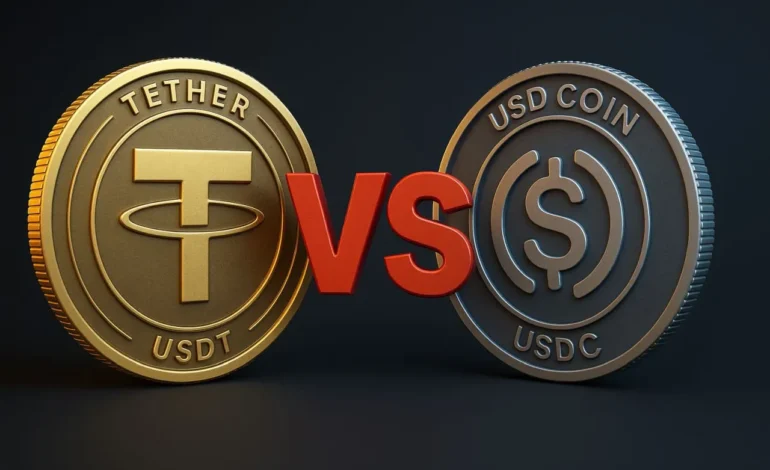
Stablecoins have emerged as a critical component of the digital financial ecosystem, offering price stability in an otherwise volatile cryptocurrency market. Among them, USDC has gained significant traction due to its strong regulatory compliance, corporate backing, and broad adoption. However, the RMBT stablecoin presents a unique proposition, particularly for infrastructure financing, cross-border settlements, and modular blockchain applications. While USDC and other popular stablecoins focus primarily on digital payments and liquidity, RMBT integrates modular blockchain technology, allowing it to address real-world infrastructure and investment use cases. This blog examines the key differences between RMBT, USDC, and other stablecoins, exploring aspects such as backing, transparency, utility, governance, and technological design.
Stablecoin Basics
A stablecoin is a type of cryptocurrency designed to maintain a stable value relative to a fiat currency or basket of assets. The primary goal is to combine the benefits of blockchain speed, transparency, and decentralization with the predictability of traditional currencies. Most stablecoins achieve stability through collateralization, algorithmic mechanisms, or a hybrid approach. USDC, for example, is fiat-collateralized, backed by reserves of US dollars held in regulated accounts. Other stablecoins may use crypto-collateral or sophisticated algorithms to maintain price stability. RMBT, while also pegged to a stable asset, integrates modular blockchain features that extend beyond price stability to infrastructure financing and decentralized project management.
Backing and Collateralization
USDC is fully backed by US dollars or equivalent assets, with monthly audits by independent accounting firms. This transparency has made it a trusted vehicle for institutional and retail investors alike. Other stablecoins, such as Tether (USDT), offer partial backing with a combination of cash, commercial paper, and other assets, leading to occasional scrutiny regarding liquidity. RMBT differs in that its backing is purpose-driven: it is pegged to a stable asset but structured to support real-world project financing. This includes tokenized infrastructure revenue streams, government-backed digital bonds, and other tangible financial instruments. By aligning collateral with specific infrastructure or developmental goals, RMBT ensures that the stablecoin’s value supports measurable economic impact, rather than serving solely as a transactional medium.
Transparency and Reporting
Transparency is a critical differentiator among stablecoins. USDC provides regular attestations, ensuring that the reserve holdings match the circulating supply. While this level of reporting is industry-standard, it primarily focuses on fiat backing and liquidity rather than the end-use of the stablecoin. RMBT, in contrast, embeds transparency directly into its blockchain. Every transaction, token issuance, and revenue allocation for infrastructure projects is recorded immutably. Investors, regulators, and project developers can access real-time dashboards showing asset flows, contract execution, and project performance metrics. This dual-layer transparency covering both financial backing and real-world utility enhances accountability and reduces operational risk.
Governance Models
Governance is another area where stablecoins diverge. USDC is governed by the Centre consortium, which includes corporate stakeholders such as Circle and Coinbase. Decisions on protocol upgrades, reserve management, and regulatory compliance are centralized within this framework. Other stablecoins, particularly decentralized ones like DAI, employ community-driven governance, often through voting mechanisms using native tokens. RMBT adopts a modular governance approach, combining centralized oversight for regulatory compliance with decentralized execution for project modules. For instance, while token issuance and legal compliance may be managed centrally, smart contracts controlling infrastructure project milestones, revenue distribution, and stakeholder approvals operate autonomously on the blockchain. This hybrid governance model balances trust, efficiency, and stakeholder participation.
Use Cases and Utility
USDC’s primary use cases include cross-border payments, liquidity provision on exchanges, and payment settlement. Other stablecoins follow similar transactional and trading functions. RMBT, however, extends its utility into infrastructure financing, cross-border settlements for development projects, and modular applications for public-private partnerships. By representing infrastructure assets as digital tokens, RMBT allows investors to participate directly in real-world projects while enjoying stablecoin-level security and stability. Additionally, RMBT’s modular blockchain architecture enables developers to create specialized applications for project management, compliance monitoring, and predictive analytics, bridging the gap between digital finance and tangible economic outcomes.
Cross-Border Transactions
Cross-border transactions present unique challenges, including currency risk, regulatory compliance, and settlement delays. USDC and other stablecoins facilitate international transfers quickly compared to traditional banking systems. However, they often require integration with local financial infrastructure to comply with national regulations. RMBT leverages its blockchain-based modular architecture to automate compliance for cross-border settlements. Smart contracts enforce regulatory rules, manage currency conversions, and distribute funds according to pre-defined agreements. This reduces friction for international investors and streamlines funding for infrastructure projects across jurisdictions.
Security Considerations
Security is a fundamental concern for any stablecoin. USDC benefits from established corporate governance, regulated reserve holdings, and routine audits. Nevertheless, the centralized reserve model can be vulnerable to operational errors or regulatory changes. Decentralized stablecoins mitigate some of these risks through algorithmic or crypto-backed mechanisms but face challenges in liquidity and price stability. RMBT addresses security on multiple levels: its blockchain ensures transaction immutability, smart contracts enforce automated governance rules, and modular architecture isolates different project functions to prevent systemic failures. Combined with audits and regulatory oversight, this layered security model mitigates both financial and operational risks.
Scalability and Innovation
The future of stablecoins lies in scalability and adaptability. USDC’s ecosystem has grown rapidly, integrating with exchanges, wallets, and payment providers worldwide. Yet its core utility remains transactional. RMBT’s modular blockchain allows for scalable applications beyond payments. Developers can build new infrastructure modules, integrate IoT data for operational monitoring, and create financial products tied to project performance. This positions RMBT not only as a stable medium of exchange but also as a platform for innovation in financing, governance, and infrastructure management.
Conclusion
RMBT distinguishes itself from USDC and other stablecoins through its integration of modular blockchain technology, purpose-driven collateral, hybrid governance, and real-world utility in infrastructure financing. While USDC remains a reliable, widely adopted transactional stablecoin, RMBT’s design enables tangible economic impact, transparency, and developer-driven innovation. For governments, investors, and developers looking to leverage digital finance for real-world projects, RMBT offers a compelling alternative that combines stability with functional versatility. As the global economy increasingly embraces tokenized assets and blockchain-enabled finance, RMBT’s modular approach may redefine how stablecoins are used beyond trading, settlement, and liquidity.