Costly Climate Disasters Push Asia to Demand Urgent and Decisive Action
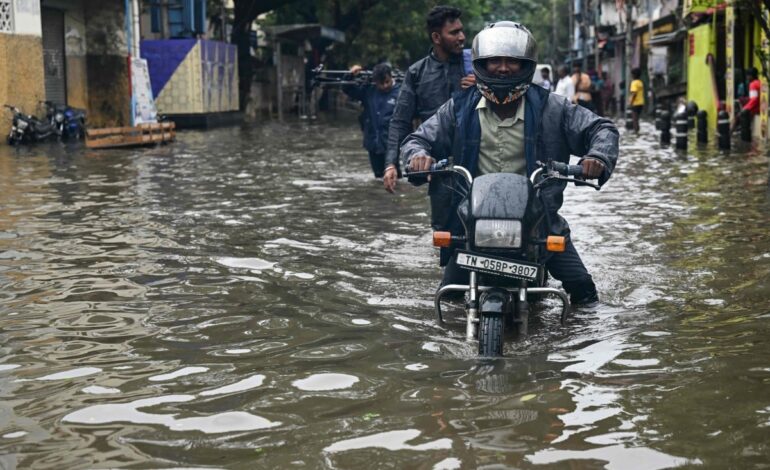
Asia is taking stock of one of its most expensive years on record for climate related disasters, as floods, heatwaves, typhoons and droughts have left a heavy economic and human toll across the region. Aid organisations and climate scientists are now warning that without urgent action to cut global emissions and invest more in prevention, the worst impacts are still ahead, particularly for poorer countries.
From South Asia to the Pacific, extreme weather events have caused widespread destruction to homes, crops and infrastructure. Governments have spent billions on emergency relief and rebuilding efforts, while millions of people have faced displacement, food shortages and loss of livelihoods. Analysts say the scale and frequency of these disasters underline how vulnerable the region has become to climate change.
Experts note that Asia is uniquely exposed because of its dense populations, long coastlines and heavy reliance on agriculture. Many of the countries hit hardest are also those with the fewest resources to recover quickly. According to aid groups, poorer communities are often forced to rebuild in the same high risk areas, leaving them exposed when the next disaster strikes.
Scientists say this pattern highlights a deeper problem. While spending on disaster response has increased, investment in prevention and resilience has not kept pace. Flood defences, early warning systems, climate resilient housing and sustainable land management remain underfunded in many parts of the region. As a result, each extreme weather event causes more damage than the last.
The warning comes as global temperatures continue to rise and weather patterns grow more unpredictable. Climate researchers say that without deep cuts in greenhouse gas emissions, extreme events such as deadly heatwaves and intense storms will become even more severe. For Asia, this could mean higher food prices, strained water supplies and mounting pressure on public finances.
Aid organisations argue that shifting resources toward prevention would save lives and money in the long term. Every dollar spent on resilience measures can reduce future disaster losses many times over, they say. Yet funding remains skewed toward emergency response, partly because prevention efforts are less visible and take longer to show results.
The situation has also raised questions about global responsibility. Many Asian countries contribute far less to global emissions than wealthier nations, yet they bear a disproportionate share of the damage. Climate advocates are calling for stronger international cooperation, including increased financial support for adaptation and loss and damage mechanisms.
Policy makers across Asia are increasingly acknowledging that climate change is no longer a distant threat but a present day economic and security challenge. Some governments have begun integrating climate risks into national planning, but progress remains uneven.
As Asia reflects on a year marked by costly disasters, scientists and aid groups say the message is clear. Without decisive action to cut emissions and prioritise prevention, the human and economic cost of climate change will continue to rise, placing the greatest burden on those least able to afford it.