Deadly Mosque Bombing in Homs Kills Worshippers From Alawite Community
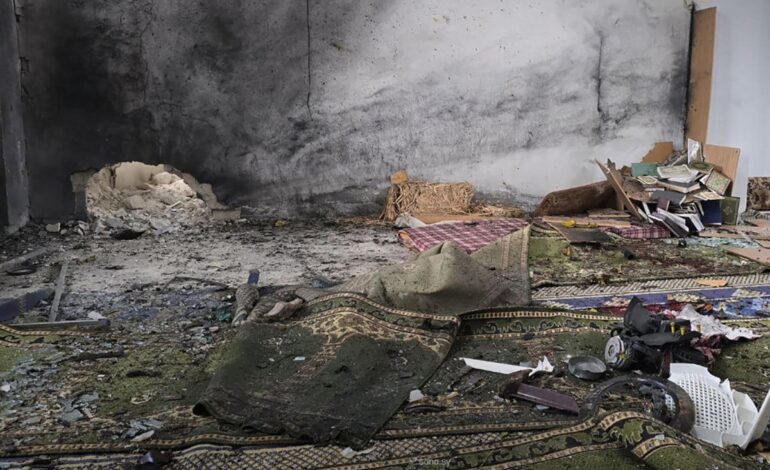
At least eight people were killed and many others injured after an explosion ripped through a mosque in the city of Homs on Friday, in what authorities described as a targeted attack on Syria’s Alawite minority.
The blast struck the Imam Ali Bin Abi Talib Mosque during prayers in a neighbourhood known for its Alawite population. According to Syria’s state news agency SANA, a health ministry official confirmed a preliminary death toll of eight, with at least 18 people wounded. Emergency services rushed victims to nearby hospitals as security forces sealed off the area.
An Islamist militant group calling itself Saraya Ansar al-Sunna later claimed responsibility for the attack. In a statement posted on Telegram, the group said its fighters had detonated several explosive devices inside the mosque. The claim could not be independently verified.
The group emerged after the removal of former Syrian president Bashar al-Assad and has previously taken responsibility for acts of violence against religious targets. In June, it said it was behind a bombing at a church in Damascus, raising concerns about a growing pattern of sectarian attacks.
Friday’s bombing has heightened fears among minority communities in Syria, where years of war have already deepened sectarian divisions. The Alawite community, to which Assad belongs, has often been caught in the crossfire of political and religious violence, particularly as power dynamics in the country continue to shift.
Witnesses in Homs described scenes of chaos following the explosion, with worshippers fleeing the mosque and residents helping to carry the injured to safety. Blood stained floors and shattered windows underscored the scale of the blast, according to local reports.
Syrian officials condemned the attack and said investigations were under way to identify those responsible and prevent further violence. No arrests have been announced so far.
The bombing comes at a time of continued instability in parts of Syria, where militant groups remain active despite years of military operations aimed at restoring security. Analysts warn that attacks on religious sites risk inflaming tensions and undermining fragile efforts to stabilise communities still recovering from prolonged conflict.
As families mourn the victims, the attack has renewed calls for stronger protection of places of worship and greater efforts to prevent sectarian violence from taking root once again.