DeepSeek outage disrupts millions as China AI competition intensifies amid reliability concerns
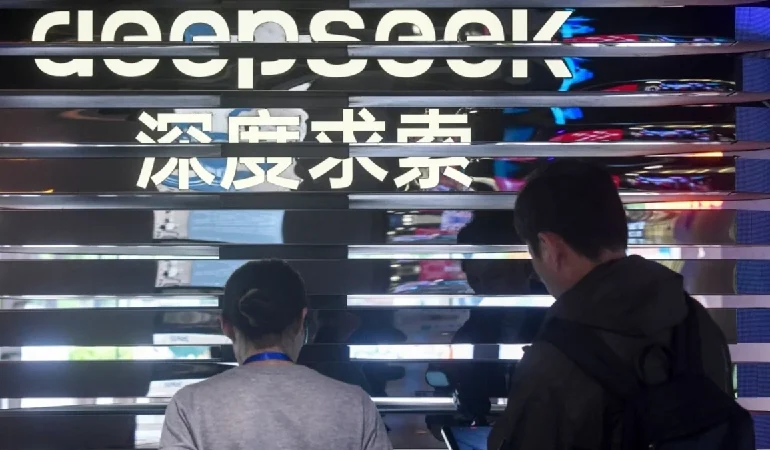
Chinese artificial intelligence startup DeepSeek faced a major service disruption that lasted nearly 12 hours, cutting off access to its chatbot platform for a large portion of its user base. The outage began on Sunday evening and continued into early Monday, affecting both its web platform and mobile applications. The incident triggered widespread user complaints and raised fresh concerns about the reliability of rapidly scaling AI systems. As China’s AI ecosystem grows more competitive, service stability is becoming increasingly critical for companies seeking to retain user trust and market share.
The Hangzhou based company confirmed that it was actively investigating the issue while deploying fixes throughout the night. According to its maintenance updates, technical teams rolled out multiple patches between 1am and 9am in an effort to restore functionality. By around 9am, services began returning for some users, with the company later confirming that a fix had been implemented. A final update marked the issue as resolved, though monitoring continued to ensure system stability. The outage impacted millions of users who rely on the platform for everyday tasks, including search, content generation and productivity workflows.
The disruption highlights the operational challenges faced by AI companies scaling large language models at speed. Systems like DeepSeek’s chatbot require significant computing infrastructure, including cloud resources, distributed servers and high performance chips to maintain uptime under heavy demand. As user adoption grows, even minor technical issues can cascade into large scale outages. Industry analysts note that reliability is becoming just as important as model performance, particularly as AI tools move from experimental use into essential digital services for businesses and consumers.
While the company did not release detailed technical explanations, the outage sparked discussion across China’s tech community about infrastructure resilience and system design. Engineers and developers pointed to potential causes such as server overload, traffic spikes or backend system failures. The incident also comes at a time when Chinese AI firms are rapidly expanding their capabilities, often pushing systems to their limits in order to compete with global rivals. This creates a delicate balance between innovation speed and operational stability in a highly competitive environment.
The timing of the outage is notable as competition intensifies among China’s leading AI players, including Alibaba Group Holding and Baidu, both of which are investing heavily in AI infrastructure and enterprise services. These companies have focused on improving system reliability and scaling cloud capabilities to support growing demand. Any disruption from emerging players like DeepSeek provides an opportunity for competitors to strengthen their position by emphasizing consistent performance and enterprise grade service levels.
China’s AI sector has seen rapid growth over the past year, driven by advancements in generative AI and increased adoption across industries. Startups and established firms alike are racing to deploy new models, expand user bases and secure market leadership. However, incidents like this underline the importance of building robust infrastructure alongside innovation. As more users integrate AI tools into daily workflows, expectations around uptime and performance are rising, placing additional pressure on providers to deliver stable and reliable services.
Despite the disruption, DeepSeek continues to expand its presence in China’s AI landscape, attracting significant attention for its model capabilities and competitive positioning. The company’s ability to quickly restore services may help limit long term reputational damage, but analysts suggest that repeated outages could impact user confidence. With competition intensifying and user expectations evolving, maintaining consistent service performance will remain a key challenge as the company scales its technology and user base.