DJI Takes Aim At Insta360 As 360 Degree Drone Race Intensifies
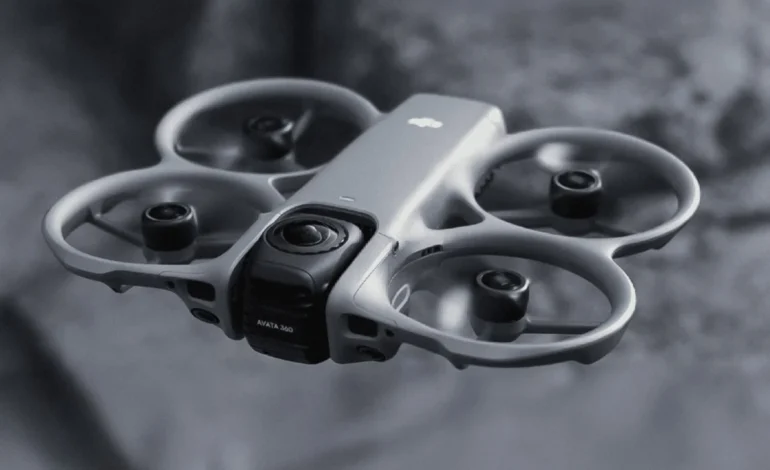
China’s drone landscape is entering a fresh phase of competition as major hardware makers shift their focus toward the emerging world of 360 degree aerial filming. DJI, the global leader in civilian drone technology, is preparing to introduce its own all around view drone, directly challenging Insta360, which is gearing up to launch a similar product of its own. For China’s consumer tech scene, this signals the start of a new hardware race built around immersive imaging and next generation content creation.
DJI Prepares To Unveil Its Avata 360
According to reports from the Guangdong based 21st Century Business Herald, DJI recently hosted a closed door preview event where select attendees were given an early look at the company’s upcoming Avata 360 drone. While the company has yet to make a full public announcement, the preview showcased DJI’s confidence in the new product category and highlighted how seriously it is taking the intensifying competition in this space.
Chinese media later confirmed that the event took place as an internal briefing, intended to share both DJI’s product development progress and its outlook on the broader market for 360 degree aerial photography. DJI did not respond to external comments, keeping detailed specifications under wraps, but the preview alone has generated widespread anticipation among drone enthusiasts.
Insta360’s Antigravity A1 Sets Up A Direct Rivalry
The excitement around DJI’s next release comes at a time when Insta360, known for its action cameras and 360 degree imaging technologies, is also preparing to enter the drone category with its upcoming Antigravity A1. This creates a rare head to head matchup between two of China’s most innovative companies, each bringing a distinct advantage.
Insta360 has deep expertise in panoramic imaging and video stabilization, while DJI dominates the global drone market with its well established engineering, flight control systems and customer base. Their simultaneous push toward full view drones suggests that the next stage of aerial creativity will be driven by immersive capture rather than traditional forward facing footage.
Why 360 Degree Drones Are Gaining Momentum
For years, drones have been limited to fixed angle cameras, even as software based stabilization and image stitching improved significantly. But creators have increasingly demanded tools that can capture entire scenes without blind spots, especially as virtual reality platforms, immersive travel videos and next generation filmmaking techniques gain popularity.
A 360 degree drone can record everything around it, allowing creators to reframe shots in post production, produce VR ready footage and generate perspectives that previously required complex multi camera rigs. For vloggers, sports shooters and professional studios, this type of device offers both freedom and creative flexibility.
A Sign Of Maturing Competition In Consumer Tech
The emergence of the Avata 360 and Antigravity A1 also reflects a broader trend in China’s tech sector. As smartphone innovation slows and traditional hardware markets mature, companies with strong research ability are searching for new growth directions. Drones, cameras and mixed reality tools have become fertile ground for competition, driven by rising content creation needs worldwide.
DJI’s move into 360 degree drones shows that even the industry leader is unwilling to leave emerging niches to smaller challengers. At the same time, Insta360’s willingness to step into DJI’s core territory underscores its ambition to evolve beyond action cameras.
What Comes Next For Drone Fans
Although neither company has released final specifications, experts expect both upcoming drones to feature advanced stabilization, low latency transmission and redesigned bodies that minimize obstruction in the 360 degree field of view. Pricing will likely determine how widely these products penetrate the consumer market, but early indications point to significant interest among filmmakers and hobbyists alike.
If both models launch within close range, they could redefine how creators think about aerial footage and open the door to new styles of storytelling that combine VR, panoramic visuals and cinematic flight paths.