Djokovic Steps Away From Players Group He Helped Create, Citing Trust and Governance Issues
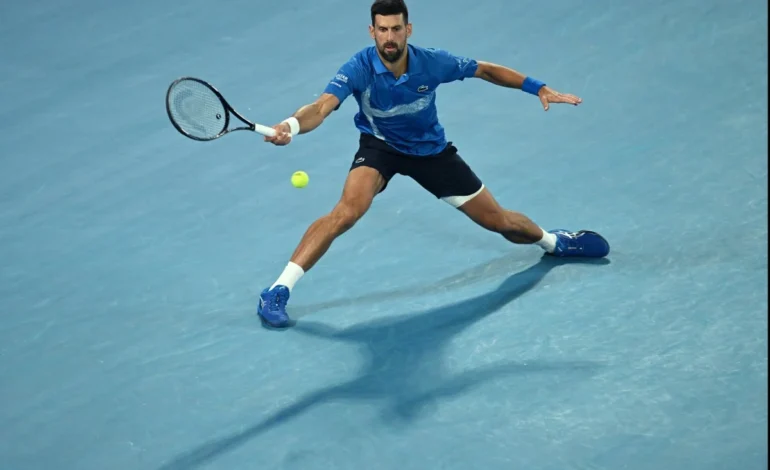
Novak Djokovic has withdrawn from the professional players organisation he helped establish, saying concerns over transparency, governance and representation made it impossible for him to continue his involvement. The decision marks a significant moment for the world’s most decorated men’s tennis player, who has long positioned himself as a vocal advocate for athletes’ rights.
Djokovic was a founding figure in the Professional Tennis Players Association, an organisation launched with the aim of giving players a stronger collective voice in a sport traditionally dominated by governing bodies and tournament organisers. At the time of its creation, Djokovic argued that tennis lacked a truly independent structure capable of defending players’ interests, particularly those ranked outside the elite.
In recent comments, however, Djokovic made clear that his confidence in the organisation’s internal functioning had eroded. He expressed dissatisfaction with how decisions were made and said the level of transparency did not meet the standards he believes are necessary for an effective representative body. He also indicated that he felt his own voice and public image were not being accurately or appropriately reflected.
While Djokovic did not accuse the organisation of misconduct, his remarks suggested a widening gap between its leadership approach and his personal principles. For a player who has consistently spoken about fairness, accountability and respect within the sport, those differences proved decisive.
The timing of his departure is also notable. Djokovic is in the later stages of his career and has increasingly spoken about the importance of balance between professional commitments and personal life. He said his priority now is to focus fully on tennis and on spending more time with his family, rather than engaging in institutional disputes that could distract from his remaining years on tour.
Djokovic’s exit is likely to prompt renewed debate about the future of player representation in tennis. While the Professional Tennis Players Association continues to operate and insists it remains committed to reform, losing its most prominent founder could weaken its influence and raise questions about internal unity. Some players have quietly echoed concerns about communication and direction, while others remain supportive of the group’s long term goals.
The governing bodies of tennis have so far declined to comment directly on Djokovic’s decision. However, his move may ease tensions in some quarters, as his involvement in alternative structures has previously been viewed as a challenge to the established order.
For Djokovic, the decision appears less about retreat and more about focus. With twenty four Grand Slam titles already to his name, his legacy on court is secure. Off court, his departure signals a recalibration rather than a rejection of player advocacy altogether.
Whether his absence leads to reform within the players organisation or encourages new approaches to representation remains to be seen. What is clear is that Djokovic has chosen to step back from institutional battles and devote his energy to the final chapters of an extraordinary career.