
Dozens Die During Traditional Initiation Season as South Africa Faces Renewed Calls for Reform
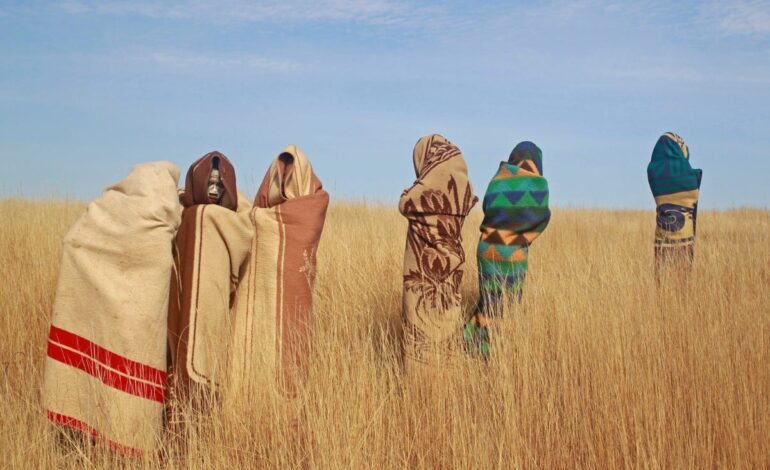
At least 41 young men have died in South Africa following circumcision procedures carried out during traditional initiation rites in November and December, according to government officials. The deaths have once again drawn attention to the dangers associated with unregulated initiation practices and intensified pressure on authorities to strengthen oversight ahead of future initiation seasons.
Traditional initiation is widely practiced across South Africa as a rite of passage into manhood. Each year, thousands of young men take part in ceremonies organised by local communities, where initiates are secluded at initiation schools for weeks. During this period, they receive instruction on cultural values, discipline, and social responsibilities expected of adult men. Circumcision forms a central part of the ritual and is regarded as both a physical and symbolic transition.
However, the practice has long been associated with serious health risks. Government officials said the latest deaths were caused by complications including severe infections, dehydration, and uncontrolled bleeding. Many of the victims were reported to be teenagers or young adults, with families often unaware of the conditions inside the initiation schools until it was too late.
Health authorities noted that every initiation season results in fatalities, despite years of public awareness campaigns and regulatory efforts. In many cases, illegal or unregistered initiation schools operate without trained practitioners or basic medical standards. Some circumcisions are reportedly performed using unsterilised instruments, while initiates may be denied water or medical care as part of traditional beliefs around endurance.
The South African government has repeatedly intervened through legislation aimed at reducing deaths linked to initiation practices. Provincial laws require initiation schools to be registered, practitioners to be certified, and medical screenings to be carried out before circumcision takes place. Despite these measures, enforcement remains inconsistent, particularly in rural areas where access to health services is limited and cultural authority often outweighs state oversight.
Officials acknowledged that cultural sensitivity remains a major challenge. Traditional leaders have argued that initiation is a deeply rooted cultural institution and that excessive state interference risks undermining community traditions. At the same time, many leaders have also expressed concern over the loss of life and have called for safer practices that preserve tradition while protecting initiates.
Civil society groups and health professionals are urging stronger collaboration between traditional authorities and the state. They argue that education, proper training of practitioners, and the involvement of medical personnel could significantly reduce fatalities without eroding cultural meaning. Some provinces have begun piloting programs where medical circumcision is combined with traditional teaching, although uptake has been uneven.
Families of victims have renewed calls for accountability, with some demanding criminal charges against unlicensed practitioners and organisers of illegal initiation schools. Activists say the deaths are preventable and reflect broader issues of poverty, lack of education, and weak enforcement rather than tradition itself.
As South Africa prepares for future initiation seasons, authorities say lessons must be learned from the latest fatalities. While traditional initiation remains an important cultural practice for many communities, officials stress that safeguarding young lives must take precedence. Without stricter regulation, community cooperation, and sustained public education, critics warn that the cycle of deaths is likely to continue.



