EU Approves 106 Billion Dollar Loan for Ukraine but Sidesteps Use of Russian Assets
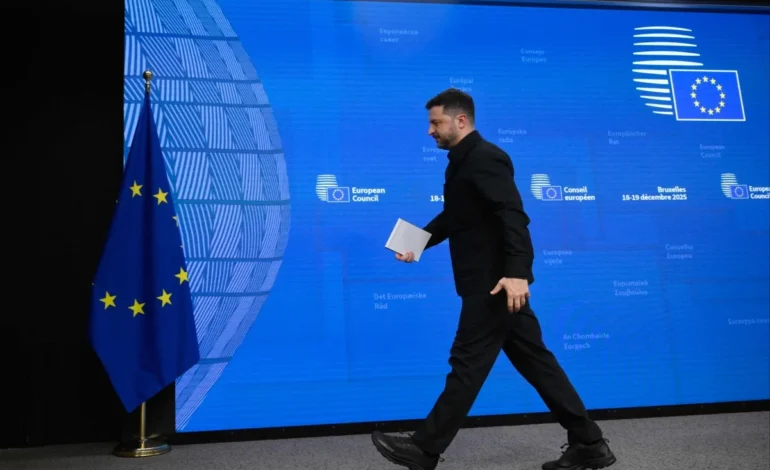
European Union leaders have agreed to provide Ukraine with a massive financial lifeline worth 106 billion dollars as the war continues to strain the country’s economy, but divisions within the bloc meant no agreement was reached on using frozen Russian assets to fund the package.
The deal, struck on Friday after lengthy negotiations, will see the EU extend a 90 billion euro loan to help Ukraine cover mounting budget shortfalls over the coming years. Ukrainian officials have warned that without sustained external support, the government would struggle to pay salaries, pensions and maintain essential public services amid ongoing conflict and infrastructure damage.
EU leaders described the loan as a critical measure to ensure Ukraine’s financial stability and to signal continued political backing. The funds are expected to be disbursed gradually and tied to economic reforms and transparency measures, reflecting the EU’s long standing approach to large scale financial assistance.
Despite broad agreement on the need to support Kyiv, the summit exposed sharp disagreements over how the aid should ultimately be financed. Several member states pushed for the use of frozen Russian sovereign assets, arguing that Moscow should bear responsibility for the destruction caused by the war. Around 300 billion dollars in Russian central bank assets are currently immobilized in Western jurisdictions, with a large portion held in Europe.
However, concerns over legal risks and potential consequences for financial stability prevented consensus. Some EU countries warned that directly seizing Russian assets could set a precedent that might undermine trust in European financial institutions or trigger retaliatory measures. As a result, leaders agreed to rely on borrowing instead, postponing any final decision on Russian assets.
The issue has been politically sensitive within the bloc. Countries closest to the conflict, including those in Eastern Europe, have argued strongly in favor of tapping Russian funds, saying taxpayers should not shoulder the entire burden. Others, including major financial hubs, have urged caution, stressing the importance of adhering to international law and protecting the euro’s credibility.
For Ukraine, the loan provides short term reassurance but also highlights longer term uncertainty. Kyiv has repeatedly called for frozen Russian assets to be converted into direct support, framing it as both a moral and practical solution. Ukrainian officials say reconstruction costs alone could run into hundreds of billions of dollars, far exceeding current aid commitments.
The agreement comes as Ukraine faces continued pressure on the battlefield and rising economic challenges at home. Energy infrastructure remains vulnerable, inflation is elevated and millions of citizens remain displaced. International financial institutions have warned that sustained external assistance will be necessary well beyond the immediate future.
EU leaders emphasized that support for Ukraine remains firm and that discussions on alternative funding mechanisms will continue. While the loan secures near term financing, the unresolved debate over Russian assets suggests that political and legal hurdles will continue to shape how Europe funds its commitment.
As the conflict drags on, the balance between solidarity with Ukraine and caution over financial precedent is likely to remain one of the EU’s most difficult internal debates.