Europe seeks independent tech path as Macron urges stronger homegrown innovation
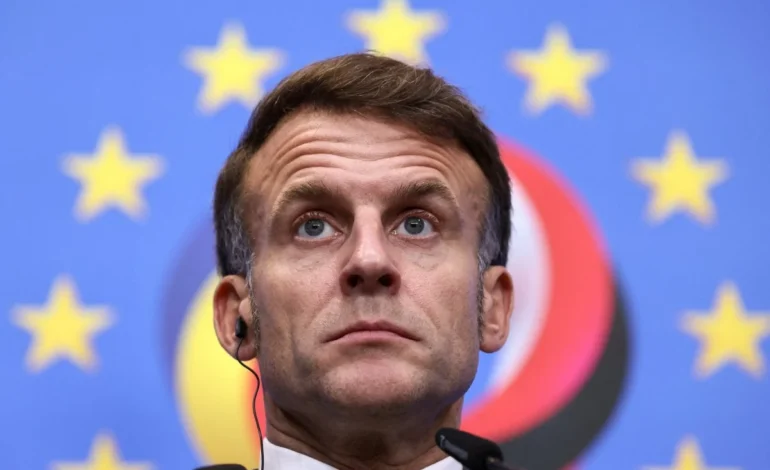
European leaders are placing fresh emphasis on building their own technology capabilities as the region works to reduce its reliance on major companies from the United States and China. During a speech at a digital sovereignty gathering in Berlin, French President Emmanuel Macron underlined that Europe must create solutions that reflect its own interests instead of depending on foreign platforms and infrastructure. His remarks highlighted a growing concern among European policymakers who feel the continent has not kept pace with global technology giants. Macron said Europe should not see itself as a follower in a world dominated by others and stressed the need to strengthen local companies that can compete at the top level. He explained that Europe does not want to act as a passive customer for technologies that shape security, privacy, and economic development. Instead, he called for a strong and confident approach that encourages European firms to design products and systems rooted in regional priorities. Macron noted that the push for a distinct European choice in the tech sector reflects a refusal to accept a position where Europe depends entirely on either American or Chinese companies for essential services. He emphasized that this mindset is important for long term resilience and for ensuring that technology used across the continent aligns with European values. The Berlin summit brought together a wide range of political leaders, technology executives, and policymakers from across Europe who discussed how the region can advance digital independence. German Chancellor Friedrich Merz was also among the attendees, reflecting the broad interest in strengthening Europe’s ability to compete globally. The focus on digital sovereignty has become increasingly central to the European policy debate. Leaders argue that relying heavily on tech giants from outside the region poses risks in areas such as data privacy, security, and industrial competitiveness. Macron’s comments suggest that France is prepared to push aggressively for initiatives that expand innovation within Europe and encourage governments and private investors to support companies that can grow into future market leaders. Supporters of the idea believe a stronger European tech presence could help protect sensitive sectors and give the continent a more influential role in shaping global standards. The discussion in Berlin is expected to feed into broader policy efforts on artificial intelligence, cloud services, connectivity, and advanced manufacturing. For many European governments, the path forward involves deeper cooperation, more research funding, and a shared determination to break free from over dependence on foreign technology.