European Union Imposes Sanctions on Chinese and Iranian Firms Over Cyber Attacks
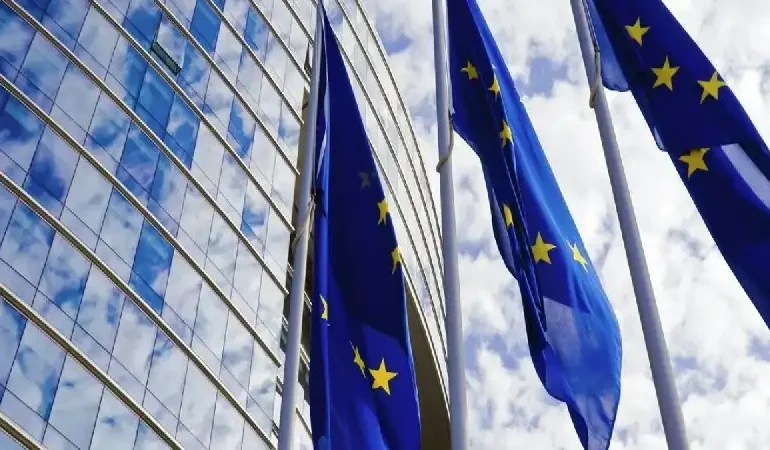
The European Union has announced sanctions against several technology companies based in China and Iran following investigations into cyber attacks targeting EU member states. Officials said the measures are aimed at holding organizations accountable for activities that compromised digital infrastructure across multiple European countries. The sanctions include restrictions on financial transactions and travel bans for individuals linked to the companies involved. European authorities say the decision reflects growing concern about cyber security threats that are increasingly affecting governments, businesses and public institutions across the region.
According to the EU statement, one of the Chinese companies, Integrity Technology Group, is believed to have facilitated cyber intrusions affecting tens of thousands of devices across six European Union member states. Investigators said the attacks exploited vulnerabilities in network systems and allowed unauthorized access to connected devices. Authorities described the activity as part of a broader campaign targeting digital infrastructure. The scale of the breach has raised concerns among European officials about the vulnerability of connected systems that support both government services and private sector operations.
Another Chinese firm, Anxun Information Technology, was also listed in the sanctions announcement. European officials allege that the company provided services linked to cyber operations aimed at sensitive infrastructure targets. Two individuals identified as co founders of the company have been personally sanctioned as well. The measures mean their assets within the European Union could be frozen and they will face restrictions on travel within EU territories. European citizens and businesses are also prohibited from providing funds or financial support to the sanctioned organizations.
The sanctions also extend to Emennet Pasargad, an Iranian company accused of involvement in digital interference campaigns connected to the 2024 Olympic Games in Paris. Investigators said the group had compromised digital advertising billboards to spread misleading information during the international sporting event. Officials described the operation as part of a wider effort to influence public messaging through cyber intrusion techniques. The incident highlighted how cyber operations can intersect with major global events and digital media platforms.
European officials say the measures are intended to strengthen the EU’s response to malicious cyber activity and signal that digital attacks will carry economic and legal consequences. Cyber security has become an increasingly important issue for governments worldwide as societies rely more heavily on digital infrastructure and connected devices. Authorities across Europe have been expanding efforts to monitor cyber threats and coordinate responses between member states to protect both public and private networks.
The decision to impose sanctions also reflects the broader geopolitical context surrounding cyber security. Governments across Europe, the United States and Asia have raised concerns about cyber operations linked to state affiliated or private actors operating across national borders. These incidents have contributed to calls for stronger international norms governing digital conduct. European policymakers say coordinated sanctions can serve as a tool to deter future attacks and reinforce accountability within the global technology ecosystem.
Cyber security analysts say the case illustrates how digital conflicts are increasingly becoming part of international relations. As governments rely more heavily on interconnected systems for energy, communications and transportation, cyber threats have become a major strategic concern. Officials in Brussels say the latest sanctions are part of a continuing effort to safeguard European digital infrastructure while strengthening cooperation among member states facing similar security challenges.