EV Market Expansion and Technological Innovations
China’s electric vehicle (EV) market has become one of the largest and most dynamic in the world, reflecting the country’s commitment to sustainable mobility, environmental policy, and industrial modernization. By 2025, EV adoption is accelerating rapidly across both urban and rural regions, driven by government incentives, growing consumer awareness, and significant technological innovation. Chinese manufacturers are not only expanding vehicle models and production capacity but also developing advanced battery technologies, smart charging infrastructure, and connected vehicle systems. This blog explores the expansion of China’s EV market, key technological innovations, and their implications for mobility, industrial growth, and global competitiveness.
Government Policy and Incentive Framework
Government support has been a critical driver of China’s EV market growth. Policies such as purchase subsidies, tax exemptions, and favorable license plate regulations continue to incentivize consumers and fleet operators. In 2025, local governments in tier-1 and tier-2 cities are also implementing preferential policies for EV infrastructure development, including charging station networks, smart grid integration, and public transport electrification. These policy measures reduce adoption barriers, lower ownership costs, and encourage innovation in vehicle design and battery performance.
Expansion of EV Production Capacity
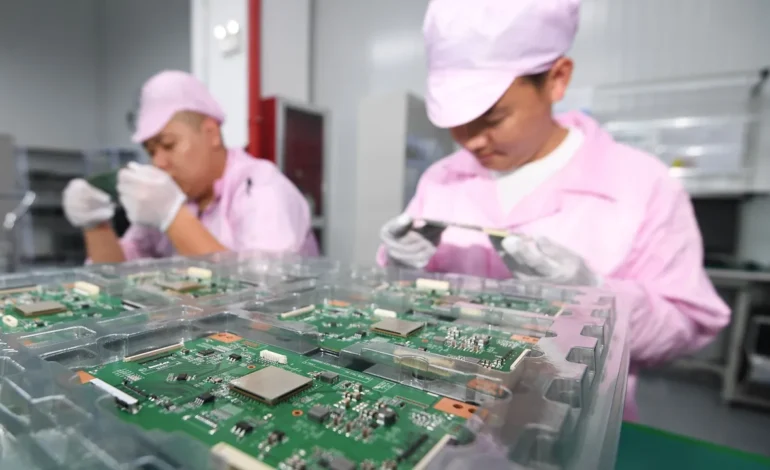
Domestic EV manufacturers are expanding production rapidly to meet surging demand. Companies such as BYD, NIO, XPeng, and SAIC are scaling factories, investing in advanced robotics, and integrating AI-driven assembly lines to enhance efficiency and output. By 2025, production volumes of EVs, including passenger cars, commercial vehicles, and buses, are expected to surpass millions annually. Manufacturing expansion is complemented by vertical integration strategies, where battery, motor, and electronic control units are produced in-house to ensure quality, reduce costs, and improve supply chain resilience.
Battery Technology Innovations
Battery technology is a core factor driving EV market expansion. China has made substantial progress in lithium-ion battery chemistry, solid-state battery research, and fast-charging technology. Improvements in energy density, charging speed, and thermal management are enhancing vehicle range and reliability. Additionally, battery recycling and second-life applications for energy storage are becoming integral to sustainability efforts. Manufacturers are increasingly adopting modular battery designs that simplify maintenance and enable flexible energy solutions for both passenger and commercial EVs.
Charging Infrastructure Development
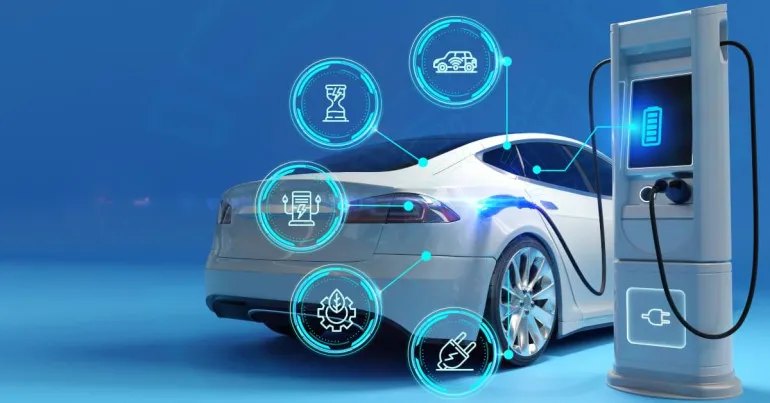
The expansion of EVs is accompanied by rapid growth in charging infrastructure. Public and private investments are building extensive networks of fast chargers, superchargers, and urban charging hubs. Integration with smart grid technology enables dynamic load management, ensuring energy efficiency and reducing peak demand strain. Mobile apps and real-time navigation systems now provide users with charging availability, pricing, and reservation features, making EV ownership more convenient and accessible. In 2025, efforts are focusing on expanding rural coverage and improving interoperability across different charging standards.
Connected Vehicle and Mobility Solutions
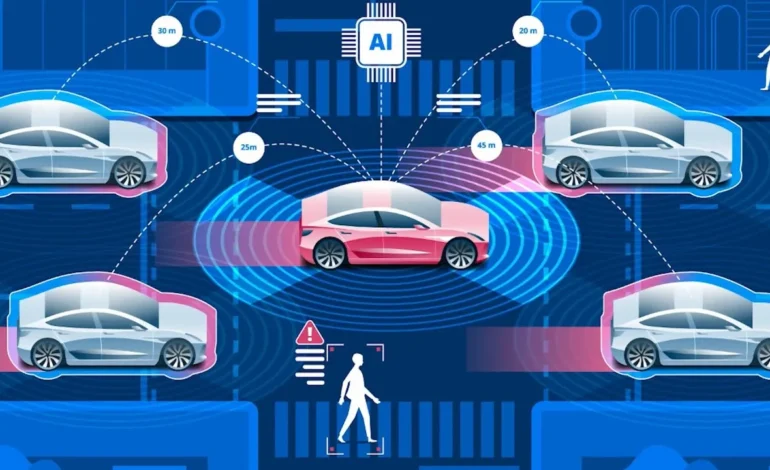
Technological innovation extends beyond batteries and charging to include connected vehicle systems. Chinese EV manufacturers are incorporating advanced driver-assistance systems (ADAS), vehicle-to-everything (V2X) communication, and AI-powered predictive maintenance. These systems improve safety, optimize traffic flow, and enhance the overall mobility experience. Fleet operators benefit from real-time vehicle monitoring, route optimization, and energy management solutions. As a result, EVs are increasingly integrated into smart city initiatives, contributing to sustainable urban mobility strategies.
Market Diversification and Consumer Trends
China’s EV market is diversifying to meet a range of consumer preferences. Entry-level electric cars cater to urban commuters, while premium EVs offer advanced technology, longer ranges, and luxury features. Commercial vehicles, buses, and logistics fleets are adopting electric solutions to reduce emissions and operating costs. By 2025, consumer demand is increasingly influenced by environmental consciousness, total cost of ownership, and access to charging infrastructure. Manufacturers are responding with product differentiation, digital services, and subscription-based models to enhance adoption and loyalty.
Strategic Partnerships and Innovation Ecosystem
Collaboration across the automotive ecosystem is fueling innovation. Manufacturers, battery producers, software companies, and research institutes are forming strategic partnerships to develop next-generation EV technologies. Joint ventures focus on AI-powered autonomous driving, smart battery management, and integrated mobility solutions. These collaborations accelerate R&D cycles, reduce time-to-market, and foster a competitive innovation landscape that positions China as a global EV leader.
Global Competitiveness and Export Potential
China’s EV expansion also has global implications. Exports of electric vehicles and components are increasing, with European and Southeast Asian markets showing strong demand. Competitive pricing, advanced battery technology, and growing brand recognition enable Chinese EV manufacturers to gain market share internationally. Export strategies are supported by international partnerships, compliance with foreign regulatory standards, and adaptation to local market preferences. This positions China as both a domestic leader and a key player in the global EV supply chain.
Environmental Impact and Sustainability
The growth of EV adoption contributes directly to China’s environmental and sustainability goals. Reducing reliance on internal combustion engines lowers greenhouse gas emissions and urban air pollution. Technological innovations in battery recycling and energy management further enhance environmental benefits. By integrating renewable energy sources with EV charging networks, China aims to create a sustainable mobility ecosystem that balances industrial growth with environmental responsibility.
Future Outlook and Emerging Technologies
Looking ahead, the Chinese EV market in 2025 sets the stage for further advancements in autonomous driving, vehicle electrification in logistics and public transport, and integration with smart city initiatives. Emerging technologies such as solid-state batteries, wireless charging, and vehicle-to-grid (V2G) solutions are expected to enhance performance, convenience, and energy efficiency. Continued government support, innovation in manufacturing, and expanding consumer adoption will consolidate China’s leadership in sustainable mobility.
Conclusion
China’s EV market is experiencing unprecedented expansion in 2025, fueled by supportive policies, industrial capacity growth, and technological innovation. Advances in battery design, charging infrastructure, connected vehicle systems, and mobility solutions are transforming both consumer and commercial transportation. Strategic partnerships and innovation ecosystems are accelerating development, while sustainability and environmental considerations remain central to growth. As China continues to lead in EV adoption and technology, the domestic market and export potential position the country at the forefront of global sustainable mobility initiatives.