Fertiliser price surge amid Iran conflict could expand China’s global influence in food supply chains
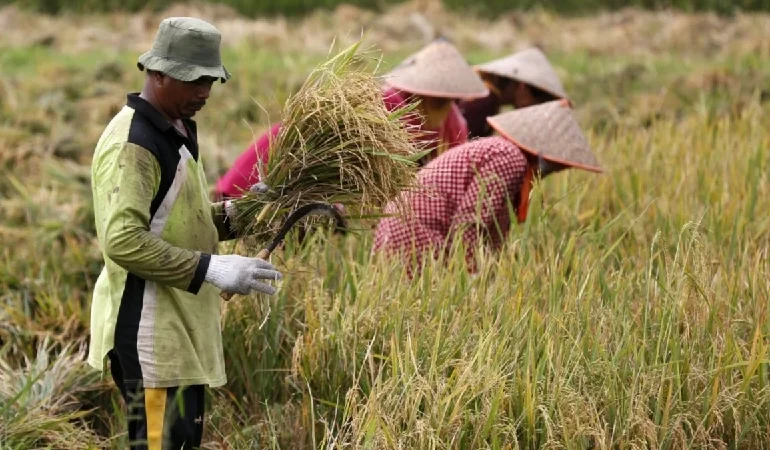
Rising fertiliser prices triggered by disruptions in the Middle East are creating new geopolitical dynamics, with China emerging as a potential stabilising force in global agricultural supply chains. The conflict involving Iran has significantly affected exports from the Persian Gulf, a key source of fertiliser for many countries, raising concerns over food production and inflation. As prices climb, attention is turning to China, which is the world’s largest fertiliser producer and could play a critical role in offsetting supply shortages across Asia and other regions dependent on imports.
The disruption stems from constraints on shipping routes through the Strait of Hormuz, a vital corridor for transporting fertiliser and energy products from major producers such as Saudi Arabia and Qatar. Reduced flow from the region has tightened global supply, pushing prices higher at a time when many agricultural economies are preparing for key planting seasons. Fertiliser is a core input for crop yields, and any sustained increase in costs could translate into higher food prices, placing additional strain on economies already dealing with inflation and supply chain instability.
China’s dominant position in fertiliser production places it in a strategically important role as countries seek alternative suppliers. While analysts suggest Beijing is unlikely to use exports as a direct geopolitical tool, its capacity to influence supply and pricing could enhance its diplomatic leverage, particularly among nations that rely heavily on imported agricultural inputs. This influence is especially relevant in parts of Asia and Africa, where food security is closely tied to stable fertiliser access and pricing.
The situation also highlights the interconnected nature of global trade, where disruptions in one region can quickly ripple across industries and economies worldwide. Fertiliser markets are closely linked to energy prices, logistics networks and agricultural demand, making them highly sensitive to geopolitical developments. As supply chains adjust, countries are increasingly looking to diversify sourcing and reduce vulnerability to single routes or suppliers, though such shifts require time and investment.
As the conflict continues to shape commodity markets, the fertiliser sector is becoming an important area of focus for policymakers and investors alike. The ability to secure stable supply will be critical in maintaining agricultural output and controlling food prices, particularly in regions facing population growth and climate related challenges. China’s role within this evolving landscape is likely to remain central as global markets navigate uncertainty and seek reliable sources of essential inputs.