From Canvas to Combat: Chinese Artist Becomes First Woman to Enter World Slap Contest
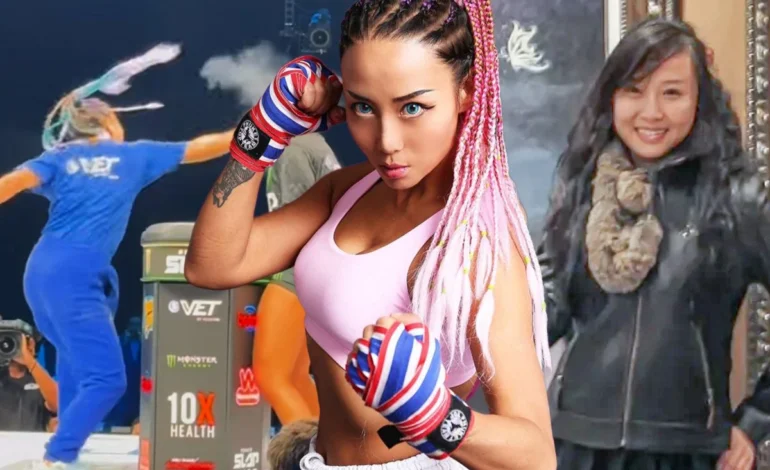
An Unconventional Path to the Spotlight
Ding Miao’s journey to international attention is anything but ordinary. At thirty three, she has become the first Chinese woman to compete in the World Slap Fighting Championship, a niche but fast growing combat sport. Her path to the competition did not begin in a gym or martial arts school but in art studios and corporate offices, making her transition both surprising and deeply personal.
From Fine Art to a Creative Career
Ding originally trained as an artist, majoring in oil painting at the Central Academy of Fine Arts, one of China’s most prestigious art institutions. After graduating, she entered the gaming industry, where her artistic background translated into a successful professional career. She rose to the role of art director, earning around three hundred thousand yuan per year. By conventional standards, she had achieved stability and recognition in a competitive creative field.
Leaving Stability Behind
Despite professional success, Ding felt drawn toward a different kind of challenge. She eventually made the decision to leave her role in the gaming industry, stepping away from a comfortable salary and a clear career trajectory. The choice raised eyebrows among peers and family alike, but for Ding it represented a search for personal growth rather than rejection of her past achievements.
Discovering Combat as Self Exploration
Ding has described slap fighting not simply as a sport but as a way to confront fear and test mental resilience. Unlike many combat disciplines, slap fighting strips competition down to raw confrontation, demanding composure under pressure and the ability to absorb pain in front of an audience. For Ding, this intensity became a tool for self discovery. She has said that standing face to face with an opponent helped her confront anxieties she had long carried silently.
Breaking Gender Expectations
Becoming the first Chinese woman to compete at this level also placed Ding in the spotlight as a symbol of boundary breaking. Slap fighting remains male dominated, and female participation is rare globally. Ding’s appearance on the international stage challenges assumptions about who belongs in combat sports and what strength looks like. She has emphasized that her goal is not provocation but representation, showing that women can explore unconventional paths without apology.
Public Reaction and Online Debate
Her story quickly spread across Chinese social media, drawing a mix of admiration curiosity and skepticism. Supporters praised her courage and willingness to step outside societal expectations. Critics questioned the safety and seriousness of slap fighting as a sport. Ding has responded calmly to the debate, noting that every profession carries risks and that informed choice is central to personal freedom.
Art and Combat Share Common Ground
Interestingly, Ding does not see a sharp divide between her life as an artist and her role as an athlete. She has spoken about how both painting and combat require focus discipline and emotional control. Where art channels expression through form and color, slap fighting demands presence and resolve in the moment. In both, she says, the process is about understanding oneself through challenge.
Redefining Success on Her Own Terms
Ding’s decision to leave a thriving career for an unconventional sport reflects a broader generational shift in how success is defined. Financial stability remains important, but fulfillment and authenticity increasingly shape life choices. By pursuing a path aligned with her inner motivations, Ding has reframed success as something personal rather than prescribed.
More Than a Sporting First
While headlines focus on her milestone as China’s first female slap fighting competitor, Ding Miao’s story resonates on a deeper level. It is a narrative about courage to change direction, willingness to confront fear, and confidence to step into unfamiliar arenas. Whether her competitive career continues or evolves again, her journey already stands as a reminder that identity is not fixed and that reinvention can begin at any stage of life.