From Raw Materials to Full Packs: Inside China’s Battery Supply Chain
China’s dominance in the battery industry is not just about producing cells, it’s about controlling the entire supply chain, from raw materials to fully assembled battery packs. This integrated approach allows Chinese companies to maintain quality, reduce costs, and meet the rapidly growing demand for electric vehicles (EVs) and renewable energy storage around the world.
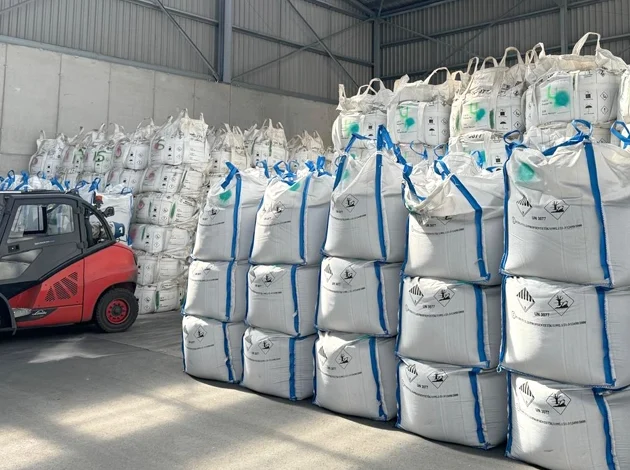
At the base of the supply chain are critical raw materials such as lithium, cobalt, nickel, and graphite. China has invested heavily in mining, refining, and processing these elements, ensuring a stable domestic supply. This upstream control reduces reliance on imports, mitigates price volatility, and provides a strategic advantage in the global market.
Once raw materials are refined, they are transformed into battery-grade chemicals. These chemicals form the cathodes, anodes, and electrolytes of lithium-ion batteries. Companies like CATL and BYD have developed proprietary formulas and advanced production techniques to maximize energy density, safety, and longevity. This vertical integration allows for strict quality control and continuous innovation.
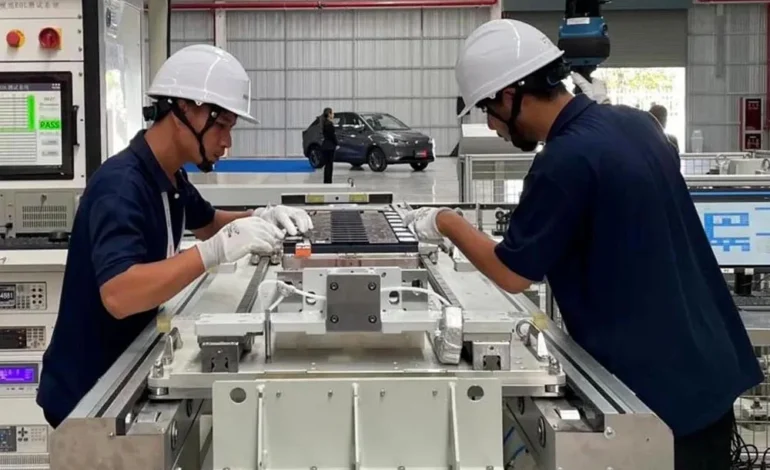
The next stage involves cell manufacturing, where chemical components are assembled into lithium-ion cells. Precision engineering, automated assembly lines, and rigorous testing ensure that cells meet strict performance and safety standards. Chinese battery manufacturers have invested heavily in automation and AI-assisted monitoring, reducing defects and increasing yield at scale.
Once cells are ready, they are assembled into battery packs, the final product used in EVs, energy storage systems, and consumer electronics. Battery packs include protective casings, cooling systems, and sophisticated management software to ensure optimal performance. By producing packs domestically, China can tailor products for different applications while maintaining high quality and efficiency.
China’s battery supply chain is also increasingly sustainable. Companies are investing in battery recycling and second-life applications, recovering materials from used batteries to reduce waste and ensure long-term resource availability. This circular approach not only benefits the environment but also strengthens the supply chain by securing raw materials for future production.
Government policy has been a major enabler of this integrated supply chain. Subsidies, tax incentives, and research grants encourage investment in upstream mining, chemical processing, and advanced manufacturing. Strategic plans, such as the “New Energy Vehicle Development Plan,” prioritize the growth of the domestic battery ecosystem, ensuring China maintains a competitive edge globally.
The result is a world-class, end-to-end battery supply chain that supports China’s EV boom, renewable energy projects, and global exports. By controlling every stage, from raw materials to full battery packs, China can respond quickly to market demand, innovate efficiently, and maintain leadership in energy storage technology.
In conclusion, China’s battery supply chain is a model of integration and strategic planning, enabling the country to lead the world in electric mobility and energy storage. With continued investment, technological innovation, and sustainable practices, China’s batteries will continue to power both domestic growth and the global transition to clean energy.