From Subsidies to Scale: The Forces Driving China’s Electric Vehicle Boom
The early role of subsidies in jumpstarting demand
China’s electric vehicle transformation did not happen overnight. In its early stages the industry relied heavily on government subsidies to stimulate demand and encourage manufacturers to invest in new technologies. Purchase incentives tax exemptions and support for charging infrastructure lowered entry barriers for consumers and reduced risk for producers. These policies helped accelerate adoption at a time when electric vehicles were expensive and unfamiliar to most buyers.
Moving beyond financial incentives
As the market matured China gradually reduced direct subsidies shifting focus toward long term structural growth. This transition forced automakers to compete on efficiency quality and innovation rather than relying on state support. The result has been a more resilient industry capable of sustaining growth even as incentives fade. Consumers now choose electric vehicles for performance convenience and total cost of ownership rather than government rebates alone.
Scale as the industry’s defining advantage
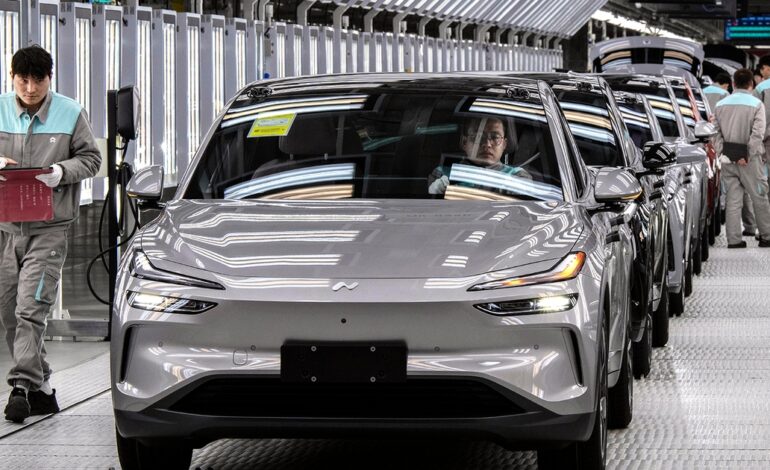
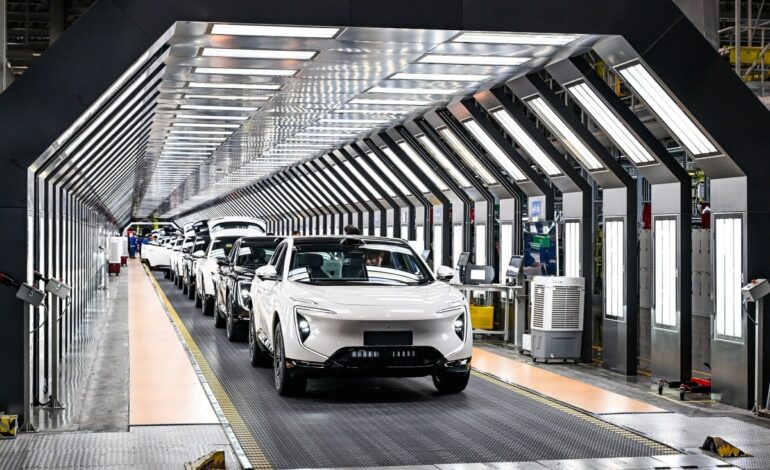
Scale has become the central force behind China’s EV boom. Massive production volumes lower per unit costs and enable rapid learning across the supply chain. Manufacturers can invest in automation research and development because large domestic demand provides predictable returns. This scale effect reinforces itself creating barriers for smaller competitors and strengthening the position of leading firms.
Infrastructure growth supports mass adoption
The expansion of charging infrastructure has played a crucial role in sustaining momentum. Urban and highway charging networks reduce range anxiety and make electric vehicles practical for daily use and long distance travel. Infrastructure growth has been coordinated with vehicle deployment ensuring that adoption does not outpace usability. This alignment between vehicles and infrastructure has been a key factor in normalizing EV ownership across income groups.
Consumer acceptance and behavioral change
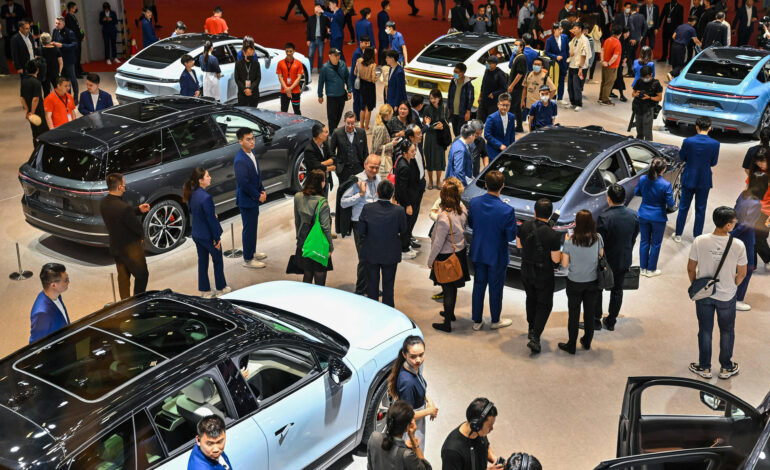
Chinese consumers have adapted quickly to electric mobility. Familiarity with digital platforms has made features like smart cockpits mobile integration and app based vehicle management especially appealing. Electric vehicles are increasingly viewed as technology products rather than just transportation tools. This perception aligns well with the offerings of domestic manufacturers and reinforces demand growth.
Industrial policy and ecosystem coordination
China’s EV boom reflects broader industrial coordination rather than isolated policy actions. Standards setting talent development and supply chain investment have been aligned to support long term competitiveness. Rather than picking individual winners policy has focused on creating an environment where innovation and scale can flourish. This approach has reduced fragmentation and encouraged consolidation around stronger players.
Environmental and energy security considerations
Electric vehicles also support China’s environmental and energy goals. Reducing urban pollution and lowering dependence on imported oil are strategic priorities. As the power grid incorporates more renewable energy EV adoption strengthens the link between transportation and clean energy transition. These benefits add policy stability to the sector even as market dynamics evolve.
The next phase of sustainable growth
China’s EV industry has moved from subsidy driven expansion to scale driven sustainability. Growth now depends on innovation efficiency and global competitiveness rather than financial support alone. This shift positions the industry for long term leadership as electric vehicles become the global standard. What began as a policy experiment has evolved into a defining pillar of China’s industrial future.