Germany’s Merz Says Iran’s Leadership May Be Nearing Its End Amid Protests
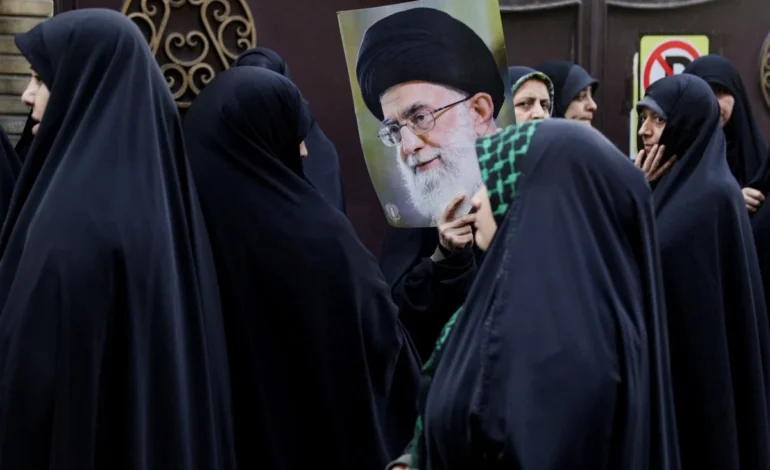
German Chancellor Friedrich Merz has said that Iran’s current leadership may be approaching its final days, as mass protests continue to sweep across the country and reports of violent crackdowns intensify. His comments add to growing international scrutiny of Tehran’s response to the unrest and reflect a belief among some Western leaders that the scale of opposition could mark a turning point.
Speaking on Tuesday during an official visit to Bengaluru, Merz said regimes that rely solely on violence to maintain power ultimately lose legitimacy and stability. He argued that the Iranian authorities’ heavy-handed response to demonstrators suggested a leadership under severe strain. Merz said he believed the world may be witnessing the final days or weeks of Iran’s current political order.
The remarks come as Iran faces one of the most serious waves of unrest in decades. Protests, which initially erupted over economic hardship and the rising cost of living, have evolved into broader demonstrations against the political system. In many cities, protesters have openly challenged the ruling establishment, calling for fundamental change rather than limited reforms.
Iranian authorities have responded with a sweeping security crackdown. Activists and human rights groups say hundreds, possibly thousands, of people have been killed, while many more have been detained. The government has also imposed restrictions on internet and communications services, limiting the flow of information and making independent verification difficult.
Merz’s comments reflect growing concern in Europe, where governments are under pressure to respond more forcefully to developments in Iran. German officials have repeatedly condemned the use of violence against civilians and called for respect for human rights. Berlin has also supported efforts within the European Union to impose additional sanctions on Iranian officials and entities linked to the crackdown.
While Merz’s statement was unusually direct, analysts caution that predicting the collapse of Iran’s leadership is fraught with uncertainty. The Islamic Republic has survived multiple crises over the past four decades, often using a combination of repression, concessions, and institutional resilience to maintain control. Security forces remain loyal to the system, and the state retains significant coercive capacity.
At the same time, observers note that the current unrest appears deeper and more widespread than many previous episodes. Protesters span multiple social classes and regions, and slogans increasingly target the core of the political system. Economic pressure, international isolation, and internal divisions have added to the sense that the leadership is under unprecedented strain.
Merz’s comments also carry diplomatic implications. Germany has traditionally played a central role in efforts to engage Iran, particularly on nuclear and economic issues. Publicly suggesting that the regime may be nearing its end signals a harder tone and may complicate any future attempts at dialogue if Tehran perceives such remarks as hostile interference.
Iranian officials have dismissed Western criticism, accusing foreign governments of encouraging unrest and meddling in domestic affairs. State media has portrayed the protests as riots driven by external enemies rather than genuine public dissatisfaction. Tehran insists that security measures are necessary to preserve order and national stability.
The international community remains divided on how to respond. Some governments have called for stronger action, including sanctions and diplomatic isolation, while others urge caution, warning that external pressure could harden positions or worsen conditions for ordinary Iranians.
As protests continue and the death toll rises, Merz’s comments underscore how rapidly perceptions of Iran’s stability are shifting abroad. Whether the unrest leads to fundamental political change remains unclear, but the German chancellor’s remarks reflect a growing belief among some leaders that Iran may be entering a decisive and unpredictable phase.