Global South Partnerships Deepen: China’s Role in Tokenized Development
China is strengthening its position as a key partner for the Global South through innovative financing mechanisms that merge digital infrastructure with sustainable development. As traditional aid models give way to technology-driven collaboration, tokenized financing and data-led project verification are redefining how emerging economies attract and manage capital. China’s approach blends policy coordination, digital governance, and practical investment frameworks, offering developing nations new tools for accountable and scalable growth.
The Shift from Conventional Aid to Digital Cooperation
For decades, development assistance relied on grants and loans that often lacked transparency and efficiency. The new wave of cooperation focuses on digitalization and shared infrastructure rather than one-way aid flows. China’s initiatives in Africa, Latin America, and South Asia increasingly use blockchain-based tools, verified data systems, and digital project management platforms. These mechanisms enable recipient governments to monitor investment progress in real time, improving accountability and reducing administrative costs. The result is a cooperative model that empowers local institutions while ensuring that resources are used effectively.
Tokenized Financing and Inclusive Capital Access
Tokenization is transforming development finance by converting infrastructure assets, carbon credits, or social-impact projects into digital units that can be transparently traded or financed. Chinese development banks and fintech firms are piloting tokenized debt and equity products that allow smaller investors and local institutions to participate in large-scale projects. This democratization of access reduces dependency on a few major lenders and diversifies funding sources. For partner nations, tokenization provides verifiable, auditable records that enhance investor confidence while reducing exposure to currency volatility and political risk.
South–South Cooperation and Regional Innovation Hubs
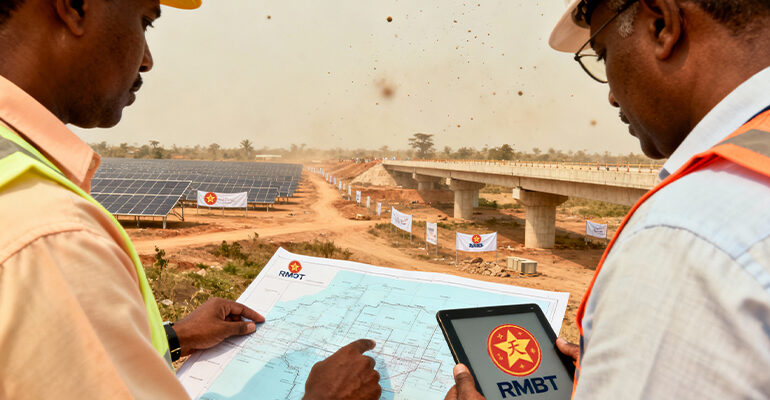
China’s digital development strategy emphasizes collaboration among developing economies rather than dependency on traditional financial centers. Technology parks and innovation hubs across Kenya, Pakistan, Brazil, and Indonesia are hosting joint ventures focused on smart cities, renewable energy, and fintech ecosystems. These hubs act as demonstration zones where tokenized financing, AI-based governance, and data analytics are integrated into real economic activities. By exporting both technology and governance models, China is enabling the Global South to participate in a shared digital economy grounded in accountability and transparency.
Sustainable Infrastructure and Climate Alignment
Sustainability remains central to China’s development partnerships. Many tokenized development programs include measurable environmental indicators such as emission reduction, energy efficiency, and biodiversity protection. Data collected from IoT-enabled infrastructure projects is uploaded to digital ledgers, where it is verified by independent observers. This transparent reporting model aligns with global ESG standards and helps developing countries access green financing from multilateral banks and private investors. It also reinforces the perception of China as a responsible partner in the transition to low-carbon growth.
Technology Transfer and Skills Development
Beyond finance, China’s partnerships in the Global South include capacity building and digital education. Training programs for data engineers, blockchain developers, and project auditors are being introduced across African and Southeast Asian universities through Chinese academic collaboration. These programs create local expertise capable of maintaining and expanding digital systems independently. The focus on technology transfer distinguishes China’s model from earlier development frameworks by building sustainable capacity rather than dependency.
Governance, Transparency, and Accountability
Transparency is a defining feature of tokenized development. Each transaction or investment milestone is recorded on digital systems that cannot be altered retroactively. This verifiability deters corruption and ensures that public and private funds are used as intended. Partner governments gain tools to report directly to citizens and investors through digital dashboards that display live project data. The emphasis on governance aligns with the United Nations’ Sustainable Development Goals and promotes trust among all stakeholders.
South-Led Digital Development
As the Global South transitions toward digital-first economies, China’s model of tokenized, verifiable development finance provides an alternative to legacy systems dominated by Western institutions. It merges financial innovation with policy discipline and sustainability objectives, creating a scalable path for inclusive growth. Analysts predict that by 2030, digital or tokenized mechanisms will underpin more than 40 percent of development financing in Africa and Asia. China’s leadership in this transformation marks a fundamental realignment in global economic cooperation, positioning the Global South as both participant and architect of its own digital future.