Guinea Bissau’s President Flees to Senegal as Military Installs New Leader After Coup
Guinea-Bissau has been thrust into fresh political turmoil after President Umaro Sissoco Embalo left the country for Senegal following a military coup that saw him detained and removed from power. Senegalese authorities confirmed on Thursday that Embalo had arrived in Dakar, while political figures in Guinea-Bissau continued to trade accusations over who was responsible for the dramatic upheaval.
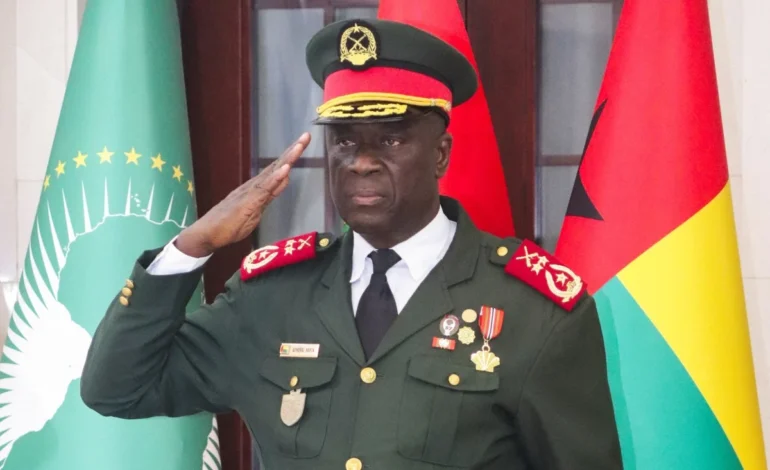
The coup, which unfolded earlier this week, adds to the long history of instability in the West African nation. The military announced that General Horta N’Tam had been installed as the new head of the military government, a move that effectively halted the official release of election results and raised new questions about the country’s democratic future.
The political crisis erupted just days after a tense national vote. Opposition candidate Fernando Dias da Costa told Agence France Presse that he believed he had won Sunday’s election and accused Embalo of orchestrating the uprising to stop him from taking office. Embalo, who also claimed victory in the contested poll, has not responded directly to the allegations but maintains that his presidency has been marked by attempts to strengthen national institutions.
The military’s swift move has overwhelmed any formal electoral procedures. Soldiers seized key government buildings, restricted access to institutions and declared that they were stepping in to “protect stability”. Critics argue that the military’s actions have instead deepened uncertainty and threatened to undo years of fragile political progress.
Embalo’s departure is seen by many as a sign of both the personal danger he faced and the unpredictability of the situation on the ground. Senegalese officials have not provided details about his long term plans, whether he intends to seek asylum or attempt to return once tensions subside. His exit has left a vacuum in leadership that the military appears determined to fill, at least in the short term.
Guinea Bissau has a troubled history with coups, political rivalry and contested elections. Analysts note that power struggles between presidents, prime ministers and the military have repeatedly disrupted governance. The latest events mirror earlier crises in which disagreements over election outcomes and accusations of manipulation have ignited confrontations between political factions.
International observers have expressed concern about the situation, urging all sides to respect democratic processes and avoid violence. Regional bodies and foreign governments fear that instability could spill over into neighbouring countries or undermine broader efforts to strengthen democratic norms across West Africa.
Dias da Costa continues to insist that the will of the voters must be respected. He has called for international support to ensure that election results are verified and declared officially. Supporters have echoed his demands, warning that ignoring the electoral process would set a dangerous precedent.
Meanwhile, the military government under General N’Tam has not offered a clear timeline for restoring civilian leadership. Statements released by military officials emphasise their commitment to “order”, but provide little detail on how long they intend to remain in power or whether they will cooperate with electoral authorities.
As the situation evolves, Guinea Bissau faces a familiar and difficult crossroads. The outcome of this crisis will determine not just who leads the country, but whether its institutions can withstand yet another test of resilience.