Gulf Security Model Faces Strain as Conflict Reshapes Regional Energy and Trade Stability
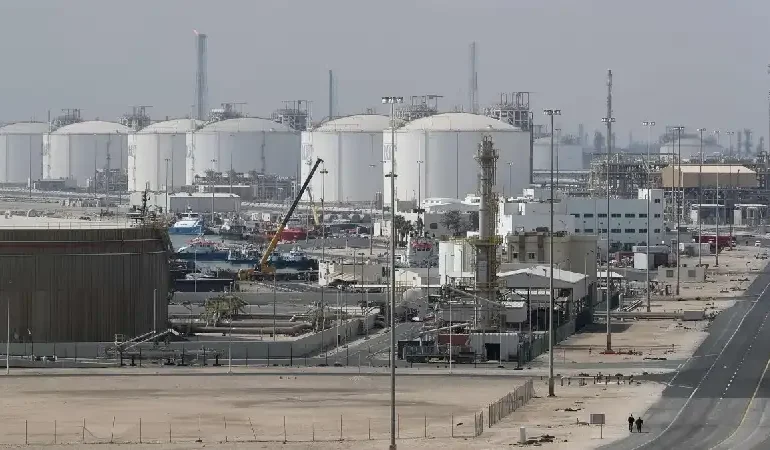
The ongoing conflict involving the United States, Israel and Iran is reshaping long standing security dynamics in the Gulf, raising questions about the reliability of traditional defence arrangements that have underpinned the region for decades. As missile strikes and drone attacks disrupt critical infrastructure, the sense of stability that once supported economic growth and energy exports is being challenged. The situation has exposed vulnerabilities across key facilities, including ports, refineries and transport hubs, creating uncertainty for global markets that depend heavily on the region’s energy supplies.
One of the most significant developments has been the disruption of vital shipping routes, particularly around the Strait of Hormuz, a critical artery for global oil and gas flows. Attacks on infrastructure linked to liquefied natural gas and petroleum exports have heightened concerns over supply continuity. Energy markets are reacting to these risks, with volatility increasing as traders assess the potential for prolonged disruption. The damage to major energy hubs has also highlighted how interconnected global supply chains remain vulnerable to geopolitical shocks in strategically important regions.
For countries like China, which rely heavily on imported energy to sustain industrial output, the conflict carries immediate economic implications. Beijing has been closely monitoring developments while seeking to secure alternative supply arrangements and strengthen partnerships with energy producing nations. The crisis is reinforcing China’s long term strategy of diversifying energy sources and investing in both traditional and renewable energy infrastructure. It also underscores the importance of maintaining stable trade routes, which are essential for supporting manufacturing and export driven growth.
The shifting security environment is prompting Gulf states to reassess their strategic positions and explore new approaches to regional stability. While traditional alliances remain important, there is growing recognition that reliance on a single security framework may no longer be sufficient in an increasingly complex geopolitical landscape. This has opened the door for broader international engagement, including deeper economic and diplomatic ties with countries that can contribute to energy security and infrastructure resilience.
As the conflict continues to evolve, its impact is extending beyond the Gulf to influence global trade, finance and energy systems. The situation is accelerating discussions around supply chain resilience and the need for diversified energy strategies. For major economies and emerging markets alike, the developments highlight how geopolitical risks can rapidly translate into economic challenges. The evolving dynamics in the Gulf are likely to shape policy decisions and strategic planning across multiple regions in the months ahead.