Hainan Sees Surge in Duty-Free Spending After Customs Policy Expansion
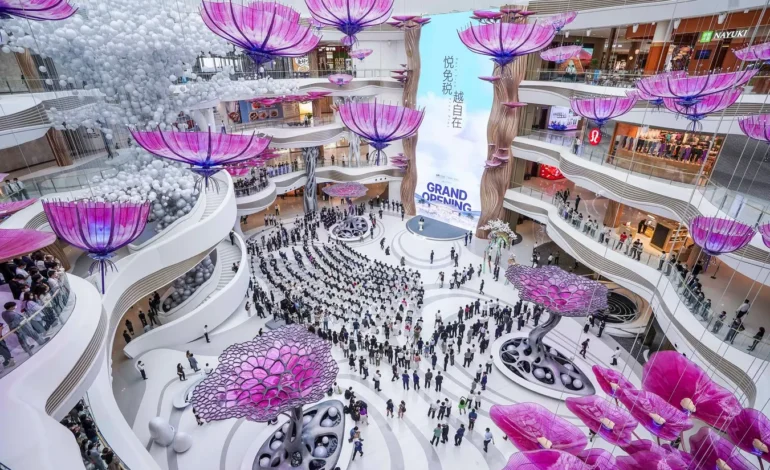
China’s southern island province of Hainan has recorded a sharp rise in consumer spending following the rollout of a new customs regime that now applies across the entire island. The policy, which took effect last week, appears to have immediately boosted duty-free shopping activity, particularly in the tourism hub of Sanya.
According to official data, Sanya generated more than 500 million yuan in duty-free sales within just five days, highlighting strong pent-up demand from domestic travelers. While the headline figures point to a successful start, analysts caution that the long-term impact of the policy will depend on whether Hainan can transform this early momentum into a more diversified and resilient economic model.
What the New Customs Regime Changes
The expanded customs scheme effectively treats all of Hainan as a duty-free zone, building on the island’s status as a free trade port. The policy allows eligible shoppers to purchase a wider range of goods without import taxes, making luxury items and international brands more affordable for domestic tourists.
This shift is designed to keep consumer spending within China rather than flowing overseas. With outbound travel still recovering and global uncertainty lingering, Hainan is positioned as a domestic alternative to traditional shopping destinations such as Hong Kong and Singapore.
The policy also simplifies logistics and customs procedures, reducing friction for retailers and improving the overall shopping experience.
Sanya Emerges as the Early Beneficiary
Sanya, already one of China’s most popular resort cities, has been the clearest beneficiary so far. From December 18 to 22, the city recorded combined duty-free sales of approximately 535 million yuan. Daily turnover exceeded 100 million yuan for five consecutive days, a pace that underscores strong consumer enthusiasm.
The figures represent a year-on-year increase of more than 50 percent and pushed Sanya’s cumulative duty-free sales for the year beyond 20 billion yuan, according to the local commerce authority. These numbers suggest that shoppers are responding quickly to the new incentives, particularly during the peak winter travel season.
Retailers operating in Sanya have reported higher foot traffic and increased average spending per customer, especially in cosmetics, luxury goods, and fashion.
Short-Term Spending Versus Long-Term Strategy
Despite the impressive early results, economists and policy analysts stress that the true test of the customs regime lies beyond short-term consumption spikes. Hainan’s economy has long relied heavily on real estate and tourism, leaving it vulnerable to cyclical downturns and policy tightening.
The broader goal of the free trade port strategy is to attract higher-value industries such as modern services, trade, finance, and innovation-driven sectors. Duty-free shopping is viewed as a catalyst rather than an end point, intended to draw visitors, investment, and global brands that can anchor longer-term development.
Whether retail-led growth can evolve into a more balanced economic structure remains an open question.
Competing With Regional Consumption Hubs
Hainan’s ambitions extend beyond domestic tourism. Policymakers have repeatedly signaled their desire for the island to compete with established regional consumption and service hubs, including Singapore and Hong Kong.
To do so, Hainan must offer more than price advantages. Infrastructure quality, regulatory transparency, talent attraction, and service standards will all play decisive roles. Duty-free shopping can bring volume, but sustained competitiveness requires depth.
The customs regime is one piece of a larger puzzle that includes financial openness, digital trade, and institutional reform.
Consumer Behavior Signals a Shift
The surge in sales also reflects changing consumer behavior within China. Shoppers are increasingly willing to spend domestically when presented with competitive pricing and convenience. This trend aligns with Beijing’s broader push to boost internal consumption as a driver of economic stability.
If Hainan can consistently capture this spending, it could reduce leakage to overseas markets while reinforcing the island’s strategic importance.
However, maintaining momentum will require ongoing policy support and careful management to avoid overreliance on retail alone.
A Promising Start With Structural Questions Ahead
Hainan’s duty-free boom offers a glimpse of what targeted policy can achieve in a short time. The numbers from Sanya point to strong demand and effective execution in the early phase of the new customs regime.
The challenge now is translating that success into lasting transformation. For Hainan to fulfill its role as a high-value economic zone, duty-free shopping must serve as a gateway to broader reform rather than a temporary sugar rush.
How the province builds on this moment will determine whether it becomes a regional rival to Asia’s leading consumption hubs or remains primarily a seasonal shopping destination.