Hong Kong Exchange Eases Public Float Rules to Bolster Global Financial Hub Ambitions
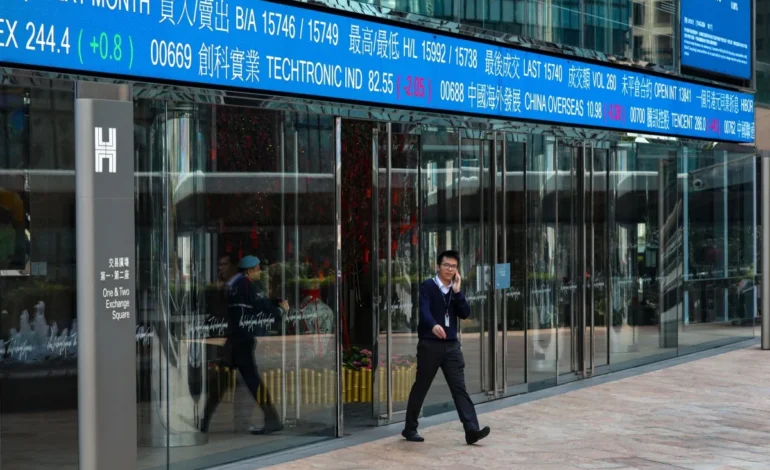
Hong Kong’s stock exchange has unveiled significant changes to its public float requirements, a move aimed at improving market liquidity, attracting high quality companies, and reinforcing the city’s position as a leading global financial centre.
Hong Kong Exchanges and Clearing, the operator of the city’s bourse, announced on Wednesday that it will amend its post listing public float rules to give companies greater flexibility in managing their share capital while maintaining transparency and investor protection. The changes follow a two month market consultation that drew 43 responses from issuers, investors, and market professionals.
Under the revised framework, listed companies will be allowed to meet an alternative ongoing public float requirement. This new option requires at least 10 percent of issued shares in the listed class to be held by the public, provided the market value of those shares exceeds HK$1 billion, or about US$128.5 million. The exchange said this approach better reflects market realities, particularly for large companies with substantial valuations.
For mainland China listed firms with shares traded both onshore and in Hong Kong, known as A share companies, additional flexibility has been introduced. These firms will be allowed to meet the public float requirement if their Hong Kong listed shares account for at least 5 percent of total issued shares, or if the market value of those shares reaches HK$1 billion. The exchange noted that this adjustment recognises the unique structure of cross border listings and aims to make Hong Kong a more attractive secondary listing venue.
HKEX said the reforms are designed to support more efficient capital management, especially for transactions such as share buybacks and corporate restructuring. Under the current system, companies must generally ensure that at least 25 percent of their issued shares are held by the public. While the exchange can approve a lower public float of between 15 percent and 25 percent for companies with an expected market capitalisation above HK$10 billion at the time of listing, issuers have long argued that the rules can limit flexibility after listing.
The exchange stressed that the updated rules strike a balance between flexibility and market quality. By focusing not only on percentage thresholds but also on absolute market value, HKEX aims to ensure sufficient liquidity and a meaningful free float for investors, even as companies adjust their capital structures over time.
Market observers say the changes reflect Hong Kong’s efforts to remain competitive amid growing regional rivalry and shifting global capital flows. As other financial centres introduce reforms to attract listings, Hong Kong is under pressure to modernise its regulatory framework while preserving its reputation for robust oversight.
The new public float requirements will come into effect on January 1, 2026, giving issuers time to assess how the changes may affect their capital strategies. Analysts believe the reforms could be particularly appealing to large technology, consumer, and mainland Chinese companies that want greater control over share repurchases without compromising listing status.
By refining its listing rules, HKEX is signaling a renewed commitment to keeping Hong Kong’s capital markets open, flexible, and globally competitive at a time when confidence and clarity are increasingly vital for international investors.