Hong Kong’s infrastructure progress highlights a deeper lack of long term direction
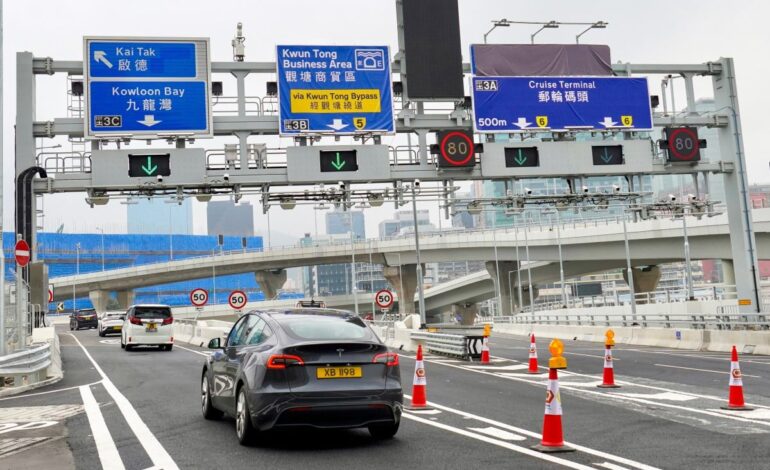
A long awaited road opens to public relief
The opening of the Yau Ma Tei section of the Central Kowloon Bypass has brought immediate relief to many commuters in Hong Kong. For drivers travelling across Kowloon, the new route has reduced journey times from around thirty minutes to just five. After years of delays and disruption, the improvement is tangible and welcome. In a city where congestion is a daily frustration, any project that meaningfully cuts travel time is bound to be celebrated by the public.
Engineering success in an extremely dense city
The Central Kowloon Bypass runs only 4.7 kilometres, yet its construction represents one of the most complex infrastructure undertakings in recent years. Cutting a new transport corridor through one of the most densely populated urban areas in the world required extraordinary engineering effort. According to the Secretary for Transport and Logistics Mable Chan, the project involved elevated flyovers, deep sea construction and extensive tunnel blasting. The works crossed seven different MTR lines, each requiring precision planning to avoid disrupting existing transport networks.
Official praise and the idea of the Hong Kong spirit
Government officials have framed the bypass as a symbol of resilience and determination. Chan described the project as a testament to the Hong Kong spirit, pointing to the scale and difficulty of the construction process. From a technical perspective, this assessment is understandable. Completing such a project without major safety incidents or prolonged shutdowns of key services is an achievement. It reflects the capabilities of Hong Kong’s engineers and contractors working under immense constraints.
An incomplete solution until 2026
Despite the success of the Yau Ma Tei section, the bypass remains unfinished. The Kowloon Bay section is not expected to open until 2026, meaning the full benefits of the project will take time to materialise. Until then, traffic patterns will continue to shift unevenly, and some bottlenecks will persist. This long timeline raises questions about planning efficiency and whether infrastructure delivery is keeping pace with the city’s evolving needs.
Infrastructure without a broader vision
While the bypass improves traffic flow, it also exposes a deeper issue. Hong Kong has become highly effective at delivering complex engineering projects, yet less convincing at articulating a coherent long term vision for urban development. Major works often appear as isolated solutions rather than parts of a clearly communicated strategy. Roads are built, tunnels are dug, and rail lines are extended, but the public is rarely shown how these projects fit together to shape the city over the next several decades.
Navigation problems beyond physical roads
The title of lacking direction applies as much to policy as to signposting. Residents frequently encounter confusion around transport priorities, housing integration and environmental goals. Decisions are announced project by project, often justified by technical necessity rather than social outcomes. As a result, people may enjoy faster commutes while still feeling uncertain about where the city is headed and how their quality of life will improve in the long run.
Learning from the bypass experience
The Central Kowloon Bypass offers lessons beyond engineering. It demonstrates what Hong Kong can achieve when expertise and resources are aligned. At the same time, it highlights the need for clearer communication and stronger strategic planning. Infrastructure should not only solve immediate problems but also support wider goals such as sustainability, liveability and economic resilience.
Direction matters as much as delivery
As Hong Kong continues to invest heavily in transport infrastructure, success should be measured by more than construction milestones. Clear direction, transparent priorities and long term planning are essential to ensure that impressive projects translate into lasting benefits. The bypass is a reminder that building roads is not enough. The city also needs a shared sense of where those roads are leading.