
Hong Kong’s New Legislature Becomes Youngest in Two Decades with Average Age of 51
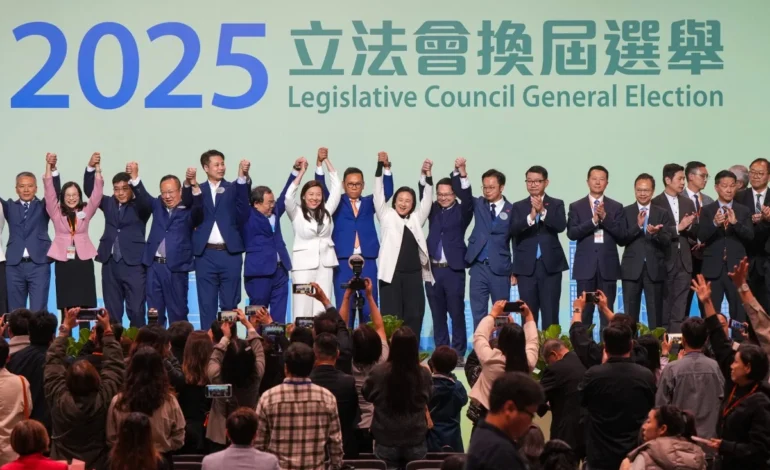
Hong Kong’s next Legislative Council is set to become the youngest in twenty years, reflecting a significant generational shift driven by the departure of many long serving lawmakers. Public data shows that the incoming group of legislators will have an average age of fifty one, a notable drop compared with previous line ups and a sign of broader renewal within the city’s political landscape.
The new average is four years younger than that of the current legislature and seven years below the council that completed its term in 2021. Analysts say the age shift signals an ongoing transformation as younger professionals, policy specialists and political newcomers take on a more active role in public decision making. This change is expected to influence the tone of debates, the adoption of new policy ideas and the long term development of governance in the city.
One of the main reasons behind this rejuvenation is the departure of thirty five incumbent lawmakers who either stepped down or were not returned to their seats. Among them were twelve senior members aged seventy or above. The list includes prominent veteran figures such as Tommy Cheung Yu yan of the Liberal Party who is seventy six years old and known as the oldest and longest serving member of the council. His exit, along with that of other senior lawmakers, marks the end of an era for some of Hong Kong’s most familiar political voices.
Observers note that the shift toward a younger legislature may help diversify perspectives within the chamber. Many of the new lawmakers come from professional backgrounds in technology, finance, education and public administration. Their entry into the council is expected to bring fresh ideas on digital transformation, economic restructuring, housing policy and social services. Younger legislators have also shown stronger emphasis on long term planning, innovation and the integration of Hong Kong’s development opportunities within the Greater Bay Area.
At the same time, some political analysts caution that a younger average age does not automatically translate into major policy changes. Legislative outcomes will still depend on the overall political environment, party alignments and the government’s policy agenda. However, they acknowledge that generational shifts can gradually influence legislative priorities and the way public issues are communicated and addressed.
For many residents, the new age profile of the legislature adds an element of renewal at a time when Hong Kong continues to adapt to changing economic conditions and evolving social expectations. Supporters of the younger line up believe it may help bridge gaps between the government and various community groups, while others say the true test will be whether the new lawmakers can deliver effective solutions to long standing challenges.
The transition also highlights a broader trend in Hong Kong’s institutions, where more emphasis is being placed on cultivating future leadership and encouraging younger professionals to take part in governance. As the new Legislative Council begins its term, public attention will focus on how this younger generation approaches its responsibilities and how its decisions will shape the city’s direction in the years ahead.



