How AI Toys Are Becoming China’s Next Consumer Tech Battleground
A New Consumer Tech Frontier Takes Shape
China’s consumer technology landscape is witnessing the rapid rise of a new category: AI powered companion products. Once seen as niche gadgets, smart toys and emotional support devices are now moving into the mainstream, attracting investment and attention from some of China’s biggest technology players. Companies such as Huawei Technologies, JD.com, and UBTech Robotics are making a concerted push into this growing sector as consumers seek more interactive and personalized digital experiences.
This shift reflects broader changes in how technology is woven into everyday life. AI is no longer confined to productivity tools or enterprise systems. It is increasingly designed to provide companionship, entertainment, and emotional engagement.
Huawei’s Early Success With Smart Hanhan
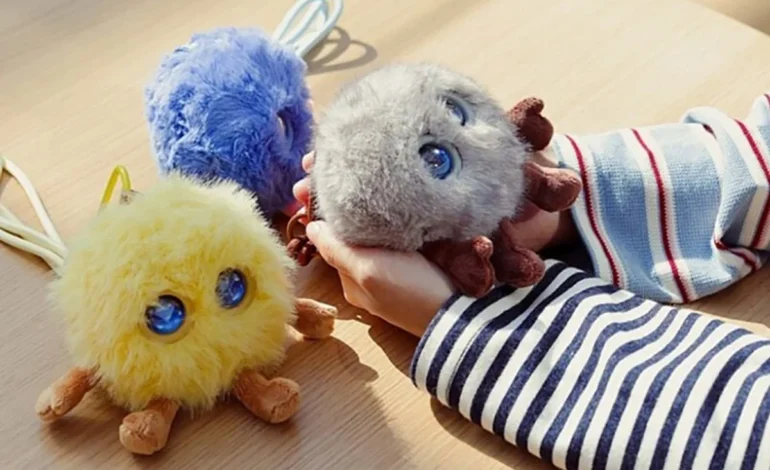
Huawei’s recent launch of its AI plush toy Smart Hanhan offers a clear illustration of the sector’s momentum. In the first week after its release in late November, the company sold more than 10,000 units, a strong signal of consumer interest. Priced at 399 yuan, the toy blends artificial intelligence with a familiar and comforting form factor.
Smart Hanhan responds to voice, touch, and movement, allowing users to interact with it in playful and unpredictable ways. When asked to perform simple tasks such as counting sheep, the toy may add humorous remarks or refuse outright, creating a sense of personality rather than rigid automation. This element of surprise is central to its appeal.
Building Emotional Interaction Into Hardware
What sets products like Smart Hanhan apart is their focus on emotional interaction rather than pure functionality. Huawei designed the toy to offer companionship, especially for users seeking lighthearted interaction or comfort. The integration of the company’s voice assistant Xiaoyi enables more natural conversations, while sensors allow the toy to react to physical cues.
Compatibility with devices running HarmonyOS 5.0 and above further embeds the toy into Huawei’s broader ecosystem. This approach mirrors how smartphones and wearables became more valuable once they were connected to wider platforms. Emotional AI products are now following a similar path.
JD.com and UBTech See Broader Opportunity
While Huawei brings consumer electronics expertise, JD.com and UBTech approach the sector from different angles. JD.com has been expanding its smart hardware offerings and leveraging its e commerce platform to distribute AI driven lifestyle products to a massive user base. Its role as a channel and data driven retailer positions it to shape consumer adoption at scale.
UBTech, meanwhile, has long focused on robotics and humanoid interaction. Its experience in building expressive robots and educational AI products gives it an advantage in designing companions that feel responsive and engaging. As costs fall and AI models improve, the company sees opportunities to move beyond industrial and educational settings into homes.
Why Demand Is Rising Now
Several factors are driving interest in AI companion products. Demographic changes such as aging populations and smaller households have increased demand for interactive and supportive technology. At the same time, younger consumers are more comfortable forming emotional connections with digital devices, especially those that feel personalized.
Advances in speech recognition, natural language processing, and edge computing have also made it possible to deliver richer interaction without constant cloud dependence. This improves responsiveness and privacy, two key concerns for users.
From Novelty to Category
What was once viewed as novelty is quickly becoming a defined product category. Sales figures and rapid iteration suggest that smart toys and AI companions are moving into the same trajectory once followed by smart speakers and wearables. Early skepticism is giving way to experimentation and acceptance.
For companies like Huawei, JD.com, and UBTech, the sector offers more than short term sales. It provides a testing ground for emotional AI, user engagement, and ecosystem integration that could influence future products across healthcare, education, and home services.
A Competitive Race Just Beginning
The success of early products signals the start of a competitive race rather than its conclusion. As more players enter the market, differentiation will depend on personality design, ecosystem compatibility, and trust. Consumers will expect not just intelligence, but warmth and reliability.
China’s tech giants appear ready to meet that challenge. Their push into AI companions suggests that the next phase of consumer technology will not only think faster, but also feel closer to human experience.