How Chinese exporters are turning to US dollar-backed stablecoins in global trade
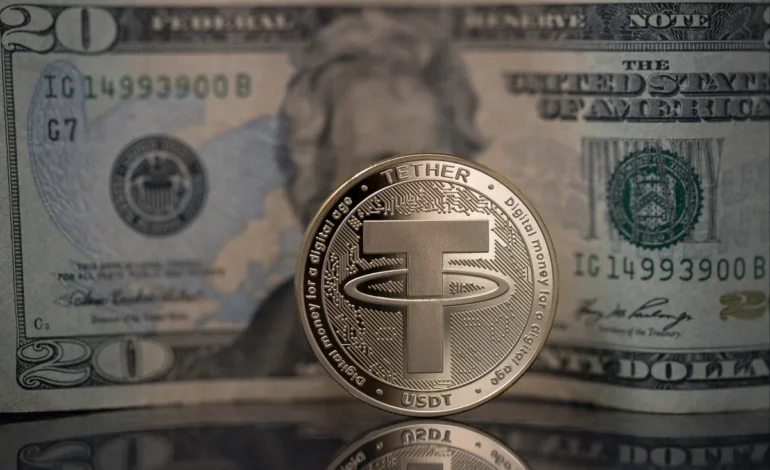
A growing number of Chinese exporters are beginning to rely on US dollar-backed stablecoins for international transactions, reflecting the rising influence of digital assets in the global trading environment. As cross-border commerce becomes more complex due to regulatory barriers, sanctions, and delays in traditional banking channels, some traders are turning to stablecoins as an alternative method of settlement. A recent analysis by Zou Chuanwei, president of the Jiangsu Jinke Research Institute on Digital and Technology Finance, offers insight into how these digital currencies are being used in practice.
Stablecoins, which are digital tokens designed to maintain a one-to-one value with the US dollar, have gained traction among businesses that need fast, accessible, and relatively stable payment options. While not part of China’s official financial system, their use in offshore transactions has quietly increased, especially among firms that trade with partners facing restrictions or difficulties using conventional banking routes.
One of the most notable developments involves overseas importers who struggle to use US dollars through the traditional financial system. These importers may face regulatory constraints in their own countries, making it difficult or slow to complete payments in bank-issued dollars. Stablecoins provide an alternative that bypasses some of these restrictions. Importers send US dollar-backed tokens to Chinese exporters, who then rely on onshore intermediaries to convert the digital assets into yuan. The process is typically faster than waiting for wire transfers to clear and can reduce exposure to unexpected banking delays.
Analysts say this method appeals to exporters who want predictable settlement times and fewer disruptions to their supply chains. In regions where capital controls or compliance hurdles slow down the movement of funds, stablecoin transactions offer a practical workaround. For some firms, the ability to complete payments within minutes rather than days helps maintain production schedules and reduces the financial strain caused by late payments.
Stablecoins also play a role in managing trade that takes place in countries where local currency instability complicates international purchases. Businesses in such markets may prefer digital dollars to preserve value, and this preference flows into how they interact with Chinese suppliers. In these cases, stablecoins act as a bridge currency that avoids the volatility of local exchange rates.
However, the growing use of stablecoins is not without risk. The lack of clear regulatory frameworks in many jurisdictions means traders face uncertainties around legality, enforcement, and compliance. There are also concerns about counterparty exposure, since stablecoin issuers must maintain sufficient reserves to back the tokens and ensure their stability. Additionally, the reliance on unofficial intermediaries to convert digital assets into yuan introduces operational and security risks that firms must carefully manage.
Despite these challenges, the trend reflects a broader shift in global commerce. As digital currencies become more widely available and trusted by overseas partners, more exporters are exploring their potential role in international settlements. While stablecoins remain a workaround rather than a mainstream solution, their growing use signals how digital finance tools are reshaping cross-border trade.