How Cop30 Revealed the New Geopolitics of Climate Action
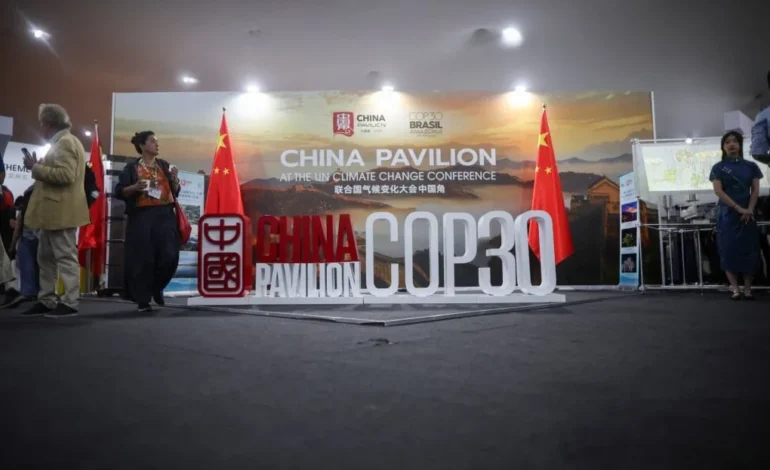
The Cop30 climate conference in Belem, Brazil, closed with decisions that highlighted implementation and financing, yet the results reflected a complicated blend of progress and compromise. The Brazilian presidency framed the gathering as an implementation focused summit, shifting attention away from negotiating text toward the practical work of transforming commitments into real action. As countries attempt to move from fossil fuels to renewable energy, it has become clear that the transition is not simply a technical undertaking. It is a geopolitical struggle that influences how nations position themselves, whom they align with and how global power is redistributed.
Progress Paired with Omission
One of the most notable achievements of Cop30 was the establishment of the Belém Mechanism for Just Global Transition. This new framework is designed to ensure that marginalised and vulnerable groups are included in global climate conversations. Delegates also adopted the Gender Action Plan, a step that acknowledges how climate impacts and climate solutions intersect with gender realities. These milestones reflect a growing recognition that climate action must be inclusive to be effective.
Yet disappointment emerged over one major gap in the final text. Despite strong support from more than eighty countries, there was no explicit roadmap for phasing down fossil fuels. The exclusion points to the deep political and economic resistance that still protects the existing energy system. Even though renewable technologies are becoming more cost effective and more widely available, many nations remain bound to fossil fuels due to economic structures, resource dependencies or political priorities.
A Shifting Landscape in Global Climate Politics
Cop30 made it clear that the geopolitical ground beneath climate negotiations is shifting. The absence of strong leadership from the United States left a noticeable void, creating uncertainty about how major economies plan to support or accelerate the energy transition. At the same time, divisions within the Global South became more visible. The long standing unity of the G77 and China bloc appears to be giving way to a more intricate pattern of competing national interests, economic realities and levels of climate vulnerability.
These internal fractures challenge the idea that developing nations share a single climate agenda. Some countries are now pushing for ambitious changes, while others remain cautious, worried about economic risks or development constraints. This fragmentation complicates international cooperation and makes it harder to achieve consensus on issues as critical as fossil fuel phase outs.
Diverging Priorities Among Developing Nations
The disagreements were particularly evident in debates over fossil fuels. Latin American countries and several island nations advocated strongly for a clear commitment to phasing out fossil fuels, seeing it as essential for their survival and long term economic security. However, major Asian economies did not align with this level of ambition, reflecting their ongoing reliance on fossil fuels and their desire to manage transitions without disrupting growth.
Differences also surfaced around climate science. Countries such as Bangladesh supported strengthening scientific guidance, arguing that evidence based policy is vital for effective action. Others, including India and Saudi Arabia, resisted stronger language, highlighting their differing development pressures and energy strategies. These disagreements show that the energy transition is not only shaped by environmental considerations but also by a wide range of economic and political calculations.
A New Era of Climate Negotiations
Cop30 ultimately reflected a world in which climate action is deeply intertwined with global politics. Progress continues to be made through new frameworks, increased recognition of vulnerable communities and broader commitments to implementation. However, the summit also exposed the barriers that still stand in the way of a coordinated global shift away from fossil fuels. As alliances evolve and national priorities diverge, climate negotiations will likely become even more complex.
The challenge moving forward is to bridge these divides while ensuring that all countries, regardless of size or economic strength, can participate meaningfully in the global transition. The outcomes of Cop30 suggest that climate diplomacy is entering a new phase, one defined by opportunity, tension and an urgent need for cooperation.