How Digital Trade Infrastructure Is Reshaping China’s Export Model
The structural shift behind China’s trade resilience
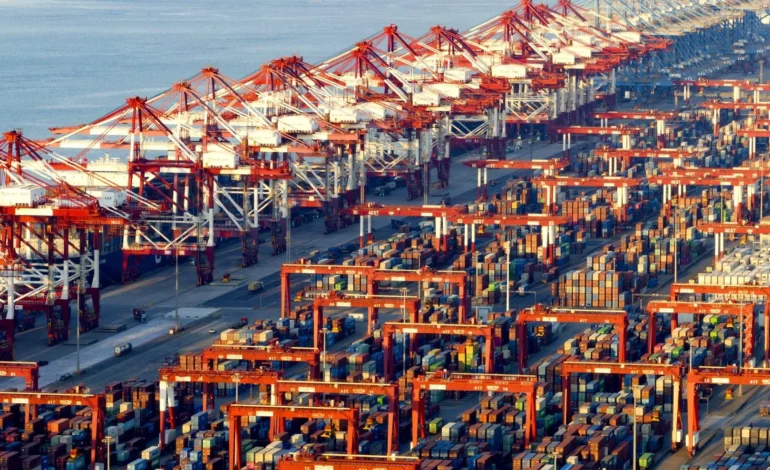
China’s export system is undergoing a quiet but profound transformation. While global demand fluctuates and geopolitical pressure reshapes supply chains, China is increasingly relying on digital trade infrastructure to stabilize and upgrade its export model. This shift is less about headline growth figures and more about redesigning how goods, services, payments, and compliance move across borders. Digital platforms are becoming as critical to trade performance as ports, highways, and industrial parks.
Platforms replace paperwork in cross border commerce
At the core of this change is the replacement of fragmented paperwork driven processes with integrated digital platforms. Customs clearance, logistics tracking, tax rebates, and foreign exchange settlement are now increasingly handled through unified digital systems. This reduces transaction friction for exporters, especially small and medium sized firms that previously lacked the scale to navigate complex international trade procedures. By lowering entry barriers, digital infrastructure is expanding the pool of firms capable of participating in global trade.
From volume driven exports to efficiency led growth
China’s earlier export model emphasized scale and cost advantages. Digital trade infrastructure supports a different logic focused on efficiency, transparency, and speed. Real time data sharing between manufacturers, logistics providers, ports, and financial institutions enables tighter inventory management and faster delivery cycles. This improves capital turnover and reduces operational risk. Over time, such efficiency gains matter more than marginal cost reductions, particularly as labor and compliance costs rise.
Financial integration becomes a competitive advantage
Trade digitization is closely tied to financial integration. Embedded finance tools allow exporters to access credit, insurance, and settlement services directly within trade platforms. This shortens cash conversion cycles and reduces reliance on traditional intermediaries. As cross border settlement systems become more automated and data driven, financial reliability becomes a competitive advantage rather than a bottleneck. This evolution supports China’s push to modernize trade finance while maintaining regulatory oversight.
Regional trade corridors go digital first
Digital trade infrastructure is also reshaping regional trade corridors. Pilot free trade zones and cross border e commerce hubs function as testing grounds for new digital customs procedures and data standards. These zones increasingly act as nodes in a wider digital trade network connecting Asia, the Middle East, and parts of Africa. Physical infrastructure still matters, but digital coordination now determines how effectively these corridors function. The result is a trade system that scales through software as much as through steel and concrete.
Data governance and compliance shape future growth
As trade digitizes, data governance becomes central. Export platforms generate vast amounts of sensitive commercial and logistical data. Managing this data securely while enabling cross border interoperability is a policy challenge. China’s approach emphasizes state guided standards combined with enterprise level innovation. This balances efficiency gains with control over data flows, a balance that will shape the sustainability of digital trade expansion.
Redefining competitiveness in a fragmented global economy
In a fragmented global economy, traditional trade advantages are no longer sufficient. Digital trade infrastructure allows China to adapt without fully retreating from globalization. By improving efficiency, expanding access, and integrating finance and logistics, China is redefining competitiveness on its own terms. The export model is no longer just about what is produced, but how seamlessly it moves through a digitally connected system.
China’s digital trade evolution signals a broader shift in how modern trade functions. Infrastructure is no longer purely physical. It is increasingly coded, standardized, and embedded into everyday commercial decision making. For China’s exporters, this transformation may prove as consequential as any tariff or trade agreement.