How Digital Wallets Are Quietly Redefining Cross-Border Spending in Emerging Markets
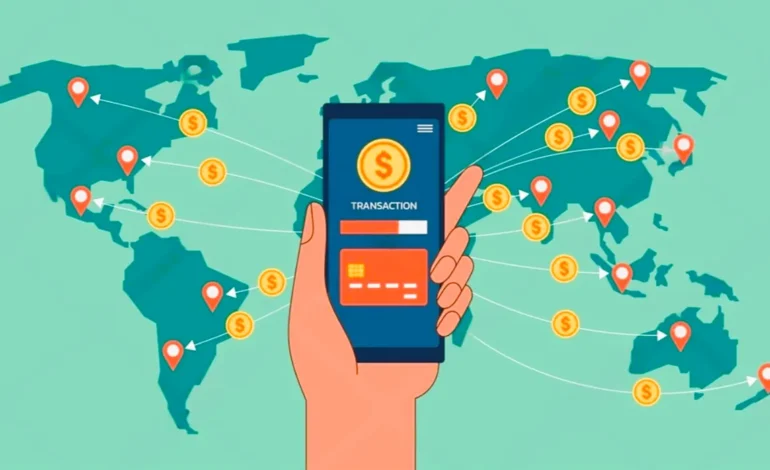
Digital wallets are reshaping how people in emerging markets move money across borders, often in ways that are quieter but more transformative than headline making fintech innovations. What began as a convenient tool for local payments has evolved into a powerful ecosystem supporting international transfers, small business transactions and everyday spending abroad. As more people adopt smartphones and gain access to low cost internet, digital wallets are becoming a gateway to financial services that were once inaccessible or too expensive for many households.
Lower costs and faster transfers fuel adoption
One of the most significant changes driven by digital wallets is the reduction in cross border payment costs. Traditional remittance channels can be slow and expensive, with fees that disproportionately impact low income workers. Digital wallets have cut these costs dramatically while delivering faster transaction speeds. In many emerging markets, users can now send money across borders within minutes, without the need for physical bank branches or long paperwork processes.
This speed and affordability have been especially important for migrant workers who support families in different countries. Instead of waiting days for funds to arrive, recipients can receive money instantly and spend it through the same wallet, improving financial stability and daily cash flow.
Empowering small businesses and global micro commerce
Small businesses in emerging markets are also benefiting from the rise of cross border digital wallets. Entrepreneurs who once relied on cash or informal payment systems can now sell goods and services to international customers with ease. Whether they are selling handmade products, freelancing online or providing digital services, digital wallets allow them to receive payments from anywhere in the world with minimal friction.
This shift is encouraging the growth of micro commerce, where individuals and small firms operate across borders without the need for traditional banking relationships. In regions like Southeast Asia, Africa and Latin America, digital wallets are becoming essential tools for expanding customer reach and participating in global markets.
Financial inclusion gains momentum
Digital wallets are playing a major role in improving financial inclusion in emerging economies. Many people who remain unbanked now have access to financial tools through mobile apps that require no physical bank account. These wallets allow users to store money, make purchases, pay bills and access digital financial services with minimal documentation.
As users become more familiar with digital payments, they often begin exploring additional financial products such as micro loans, savings accounts and insurance, all accessible through the same mobile ecosystem. In this way, digital wallets act as an entry point into broader financial participation, especially for individuals in remote or underserved areas.
The rise of multi currency wallets for global mobility
With international travel and online shopping becoming more common, multi currency digital wallets are growing in popularity. These wallets allow users to hold and convert multiple currencies at competitive rates, eliminating the need for physical currency exchange. For workers who frequently move between countries or consumers purchasing from global e commerce platforms, this flexibility offers significant savings and convenience.
In emerging markets where foreign exchange processes can be complex or costly, multi currency wallets are simplifying global spending. Users can pay in local currency abroad, manage exchange rates in real time and track spending with transparency.
A new financial infrastructure emerging
The quiet rise of digital wallets in cross border finance reflects a broader transformation in how money moves in the digital age. Emerging markets, once constrained by limited financial infrastructure, are now leapfrogging traditional systems and adopting mobile first solutions that rival those in developed economies. As more governments support digital payment standards and fintech collaborations expand, cross border digital wallets will play an even larger role in shaping the future of global finance.
Their impact may not always dominate headlines, but for millions of people and businesses, digital wallets are redefining what financial access and global participation truly mean.