How Japan’s Growing Rift with China Is Putting Its Economy at Risk
A Diplomatic Shift That Escalated Quickly
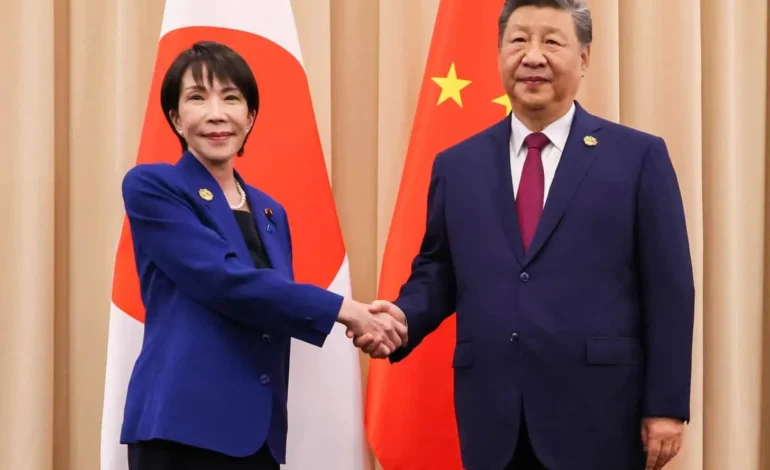
When Japan’s new Prime Minister Sanae Takaichi met Chinese President Xi Jinping at the APEC summit in late October the meeting signaled hope for stable relations between Asia’s two largest economies. But within weeks that optimism collapsed. After Takaichi stated that Japan could respond militarily if China attempted to seize Taiwan by force Beijing reacted sharply triggering one of the most serious downturns in Japan China relations in years.
Beijing Deploys Its Economic Pressure Tools
China is now using its economic influence to punish Tokyo a tactic it has relied on in past disputes. As Japan’s largest trading partner China holds considerable leverage. Beijing has begun tightening regulatory scrutiny on Japanese companies delaying customs clearances and signaling potential restrictions on key imports. These actions are subtle but they send a powerful message that China is willing to use its economic arsenal to retaliate against political positions it deems hostile.
Japanese Companies Feel the First Signs of Strain
Japanese firms operating in China are already reporting signs of pressure. Consumer facing brands have seen a rise in negative online campaigns while industrial suppliers are experiencing slower inspection approvals and administrative delays. Japan’s auto sector which relies heavily on the Chinese market faces particular vulnerability. Demand for Japanese vehicles in China has been declining amid rising nationalism and the growing dominance of domestic electric vehicle makers. Any further political tension risks accelerating that downward trend.
Trade Interdependence Raises the Stakes
Japan and China share one of the most interconnected economic relationships in Asia. China accounts for a major share of Japan’s exports especially in machinery electronics and industrial components. Japanese companies meanwhile are crucial investors in China’s high tech manufacturing supply chains. A sustained political rift threatens these ties. Disruptions could ripple through industries on both sides affecting not only direct trade but also the broader regional economy.
A Familiar Economic Playbook from Beijing
China has previously targeted foreign economies during diplomatic disputes. South Korea faced boycotts and business restrictions in 2017 after deploying a US missile defense system. Australia experienced tariffs and import bans following political disagreements in 2020. Japan itself has faced similar actions in past territorial disputes with China. The latest escalation suggests Beijing is prepared to again use economic instruments to influence political outcomes.
Japan Seeks Support from Allies
Facing mounting pressure Tokyo is turning to partners including the United States and South Korea to coordinate responses and ensure supply chain resilience. Diplomats are emphasizing the importance of stability in the Taiwan Strait and urging China to avoid economic coercion. However with both countries unwilling to back down the path to deescalation remains uncertain. Takaichi’s comments reflected a tougher national security stance and walking back that position could carry domestic political costs.
Economic Risks Extend Beyond Asia
If tensions continue to rise global markets may feel the impact. Japan and China are central hubs in international supply chains. Any slowdown in bilateral trade would affect semiconductor production automotive manufacturing renewable energy components and consumer goods. Investors are watching the situation closely fearing a scenario in which political tensions trigger disruptions similar to those seen during the US China trade war.
A Critical Moment for Regional Stability
Japan’s rift with China illustrates the increasingly fragile balance between economic integration and geopolitical rivalry in Asia. As Beijing uses economic measures to signal displeasure and Tokyo stands firm on security positions the conflict highlights how intertwined trade and diplomacy have become. Whether the two nations can stabilize relations will shape not only their own economies but also the broader future of regional cooperation.