How Next Gen Drones Are Transforming Everyday Life in 2025

Drones have moved far beyond their earliest roles as hobbyist gadgets and military tools. In twenty twenty five, they are becoming an everyday presence across cities, rural communities and industrial sites. Their growing capabilities and falling costs have opened the door to new uses that touch transportation, safety, entertainment and even environmental care. What was once a futuristic concept is now becoming part of ordinary life as drones evolve into reliable helpers for work, services and daily convenience.
Changing the Way Goods Travel
One of the most visible transformations is in the world of delivery. Companies are increasingly using drones to transport parcels, medical supplies and food to customers in record time. These aircraft can bypass traffic congestion, reach remote villages and respond quickly in emergencies. In some countries, medical drones deliver blood and medicines to rural clinics faster than any ground vehicle could manage. The speed and efficiency of these systems are pushing more businesses to invest in drone based logistics, reducing delivery times and improving service quality. As regulations mature and safety protocols strengthen, the use of drones for commercial delivery is expected to expand even further.
Enhancing Public Safety and Emergency Response
Drones are now playing a central role in protecting communities and supporting first responders. Fire departments use them to assess dangerous situations from above, giving crews a clear view of wildfires, chemical spills or collapsed structures. Police teams rely on drones to monitor large events, locate missing persons and track unfolding situations without putting officers at risk. In natural disasters, drones provide rapid mapping of affected areas, helping relief organisations understand damage, identify survivors and coordinate support. Their ability to gather real time information gives authorities a powerful tool for making faster and better informed decisions during critical moments.
Reshaping Industries With Precision Tools
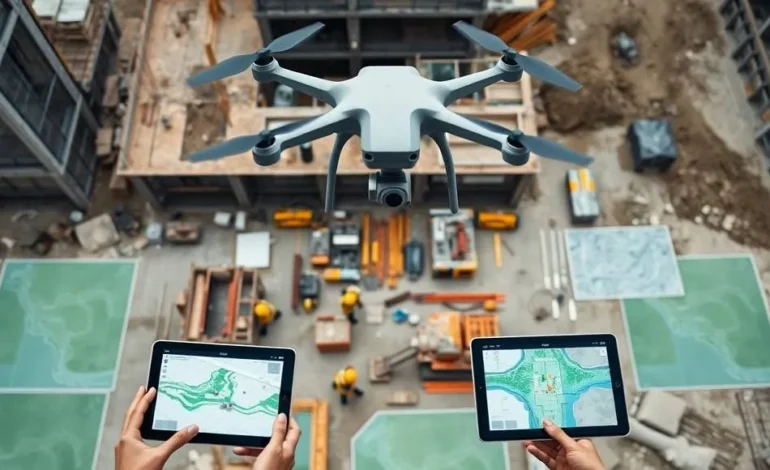
Beyond public services, drones are transforming industries that depend on detailed observation and efficiency. In agriculture, farmers use drones to survey crops, measure soil conditions and apply fertilisers with pinpoint accuracy. This precision reduces waste and increases yields, making farming more sustainable and cost effective. Construction companies use drones to map worksites, monitor progress and inspect hard to reach structures. Energy companies use them to examine wind turbines, pipelines and power lines without sending workers into risky positions. These applications not only improve productivity but also enhance workplace safety and reduce operational costs.
Bringing Creativity and Innovation to Entertainment
The entertainment world has embraced drones as a creative medium. Drone light shows have become popular alternatives to fireworks, offering colourful choreographed displays without smoke or noise. Filmmakers rely on drones to capture sweeping aerial footage that once required helicopters. Sports events use them for dynamic broadcasting angles that draw audiences closer to the action. Even theme parks and live events are experimenting with drone based performances that blend technology with artistry. As drones become smarter and more agile, their contributions to entertainment continue to evolve in imaginative ways.
Supporting Environmental Protection and Conservation
Drones are also proving valuable in preserving natural environments. Conservation groups use them to track endangered species, monitor illegal logging and measure coastal erosion. Scientists collect data from forests, wetlands and oceans with minimal disturbance to wildlife. Their ability to reach remote or hazardous areas makes drones ideal for studying environmental changes and supporting biodiversity efforts. As climate challenges intensify, drones offer tools that help researchers respond more effectively and policymakers make informed decisions.
A Future Where Drones Are Everyday Companions
The rapid adoption of drones in twenty twenty five reflects a broader shift toward technologies that integrate seamlessly into daily routines. While concerns about safety, privacy and regulation remain important, the benefits of drones are becoming more widely recognised. As artificial intelligence improves their navigation and decision making, drones are expected to become even more autonomous and user friendly. From delivering groceries to monitoring farmlands and enhancing emergency response, drones are shaping a future where aerial technology supports communities in practical and meaningful ways.