How Shifting Power Blocs Are Rewriting the Global Strategic Map
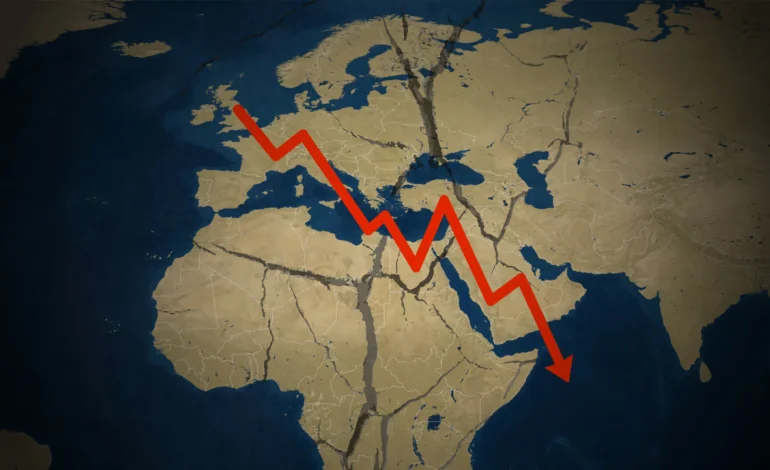
The global landscape is undergoing one of its most significant transformations in decades as traditional power blocs lose stability and new coalitions begin to emerge. Countries that once operated within predictable alliances are now reconsidering their positions, driven by economic pressures, security concerns and the rise of new regional influencers. This shifting environment is creating a strategic map that looks different from anything seen since the early years of the post cold war era. The change is not defined by a single event but by the gradual realignment of nations searching for advantage in an uncertain world.
The rise of flexible partnerships
Instead of relying solely on long term alliances, nations are increasingly turning to flexible partnerships that serve specific interests. Economic cooperation may occur between countries that disagree politically, while security coordination can happen even among states with competing agendas. This approach allows governments to maximise their influence while avoiding the constraints of rigid blocs. Regions such as Asia, the Middle East and Africa are becoming examples of how countries mix economic, diplomatic and security ties in new ways. These flexible arrangements reflect a world where power is more distributed and influence depends on strategic agility.
Technology and energy shape new alliances
Technological capability and access to energy resources are now two of the strongest forces shaping global alliances. Nations that lead in artificial intelligence, advanced manufacturing or digital infrastructure have an advantage that others seek to align with. At the same time, the competition for critical minerals, renewable energy investment and secure supply chains is pushing countries to reassess old partnerships. Governments are now forming strategic links that prioritise technological resilience and energy security. These shifts are redefining which countries are considered essential partners and which global regions become central to future development.
Middle powers gain new relevance
A notable trend in today’s geopolitical landscape is the growing influence of middle powers. Countries that are not superpowers but hold significant regional importance are now shaping negotiations, mediating conflicts and driving economic agreements. They offer alternative paths for cooperation that do not depend solely on dominant global players. Their ability to engage multiple sides gives them a unique strategic advantage. As global politics becomes more fragmented, middle powers serve as connectors that stabilise relationships and reduce the risks of escalating tensions.
Economic fragmentation and strategic competition
The world economy is also experiencing a shift as trade routes, investment flows and market access become more influenced by political considerations. Nations are rethinking their supply chain dependence and exploring ways to strengthen domestic resilience. Some economies are developing parallel systems for payments, technology standards and transportation networks. This economic fragmentation widens the strategic divide between blocs while encouraging countries to localise or diversify their economic ties. These changes are reshaping how businesses operate and how governments approach long term planning.
The road ahead in a rearranged geopolitical world
As shifting power blocs continue to influence global dynamics, nations face the challenge of adapting to a world defined by complexity rather than clear divisions. The strategic map is becoming multi layered, with overlapping partnerships that shift according to national interests. Diplomacy will need to adjust to this new reality where influence depends on flexibility, technological strength and economic resilience. The future of global politics will not be determined by a single dominant bloc but by the interactions among diverse players pursuing their own evolving priorities. This emerging order offers opportunities for cooperation but also demands careful navigation to maintain stability.