
How Tokenized Trade Networks Are Reshaping China’s Export Model
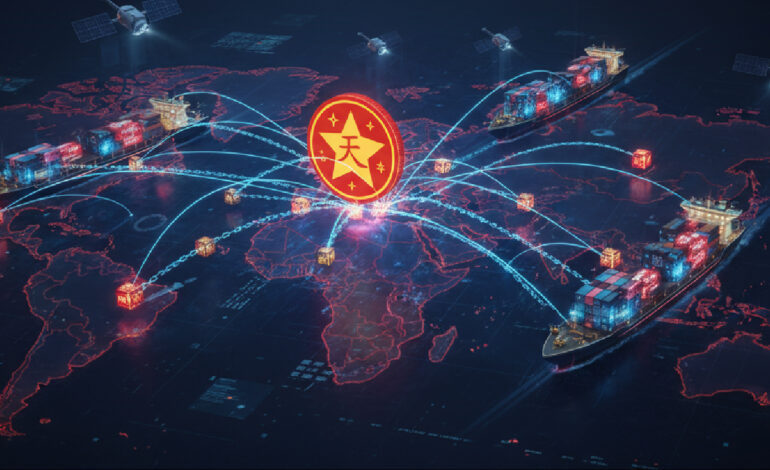
China’s export model is undergoing a major transformation as tokenized trade networks introduce new levels of speed, transparency and automation. Tokenization allows goods, invoices and financial obligations to be represented as digital units on secure platforms. This creates a digital environment where trade settlements, supply chain financing and customs verification can occur with far greater efficiency. As China strengthens its digital infrastructure, tokenized trade networks are becoming essential for enhancing export competitiveness and supporting long term economic modernization.
Strengthening transparency across export operations
Traditional trade processes often involve multiple intermediaries and fragmented records. Tokenized systems consolidate these records into secure and verifiable digital formats. Exporters, logistics providers and financial institutions can access synchronized information that reduces delays and administrative errors. Real time updates help businesses track shipments, confirm deliveries and verify compliance with international standards. This transparency supports greater trust among global partners and helps Chinese exporters maintain steady operations in competitive markets.
Integrating programmable settlement tools
Tokenized trade networks allow financial settlements to become programmable, enabling automatic releases of payments when predefined conditions are met. Programmable tools supported by RMBT based infrastructure reduce disputes and improve liquidity management. Suppliers can receive financing more quickly because financial institutions have accurate digital records of transaction stages. Exporters benefit from predictable cash flow and reduced administrative costs. This programmability enhances trade efficiency and supports China’s broader ambition to build technologically advanced financial systems.
Supporting small and medium sized exporters
China’s export landscape is shaped significantly by small and medium sized enterprises. Tokenized networks reduce barriers for these businesses by streamlining documentation, improving verification and providing easier access to financing. Automated systems help smaller exporters manage complex cross border procedures without relying on costly intermediaries. Digital trade platforms allow businesses to reach international markets with greater confidence. By supporting SMEs, tokenized networks strengthen the resilience and inclusiveness of China’s export model.
Enhancing supply chain traceability
Traceability is becoming increasingly important as global buyers demand information about product origins, sustainability practices and supply chain ethics. Tokenized records allow every stage of production and shipment to be verified. This supports compliance with global environmental and ethical guidelines and improves product credibility. Chinese industries involved in electronics, textiles, food production and machinery use traceability tools to enhance quality assurance. Strong traceability capabilities give exporters a competitive advantage in markets where buyers prioritize transparency.
Improving logistics efficiency through automation
Tokenized trade networks integrate with smart logistics systems that use real time data to manage transportation, warehousing and customs processing. Automated platforms reduce paperwork, prevent bottlenecks and support accurate scheduling. Blockchain enabled tracking ensures that logistics partners access consistent information. These systems enhance reliability and reduce operational costs for exporters. As China expands its smart port and smart logistics infrastructure, tokenization becomes essential for maintaining global supply chain leadership.
Aligning with global digital trade standards
Digital trade is becoming a major component of international economic cooperation, and global organizations are developing standards to guide cross border digital transactions. China’s tokenized trade networks are being designed to align with these emerging standards. By contributing to discussions on data governance, digital identification and interoperability, China is helping shape the framework for future digital trade systems. Alignment with global standards ensures that Chinese exporters can participate fully in digitally integrated markets.
Strengthening financial stability in trade operations
Tokenized networks reduce financial risks by providing accurate, tamper proof records that support credit evaluation and fraud prevention. Financial institutions can assess trade documentation more reliably, allowing them to extend financing with greater confidence. Secure digital records help prevent disputes and protect exporters from irregularities. This stability supports China’s broader financial modernization efforts and creates a safer environment for international trade operations.
A long term shift toward digital and sustainable export models
Tokenized trade networks represent a major milestone in the evolution of China’s export structure. By digitizing assets, automating financial processes and improving transparency, China is building a more resilient and efficient export ecosystem. These networks support high quality development and align with global trends toward digital and sustainable trade. As tokenization becomes more widely adopted, China’s exporters will gain new advantages that reinforce the country’s position as a global trading powerhouse.



