Huawei Pushes Global Comeback with Mate 80 Pro and New Smartwatch Launch
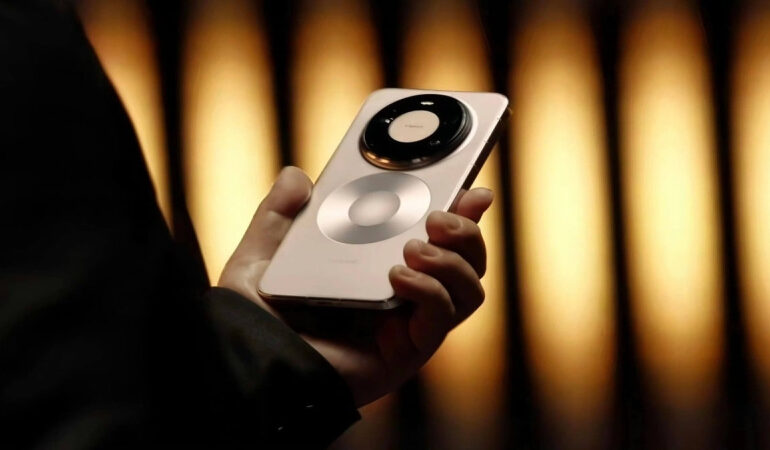
Huawei has taken a significant step toward restoring its international smartphone presence with the global launch of its Mate 80 Pro and a new generation smartwatch in Madrid. The move signals the company’s renewed ambition to compete outside China after years of trade restrictions and limited access to Western semiconductor technology.
At the center of the Mate 80 Pro is Huawei’s self designed Kirin 9030 Pro processor, manufactured within China’s domestic semiconductor ecosystem. The chip represents Huawei’s most advanced system on a chip for smartphones to date, highlighting progress in local chip development despite ongoing export controls that have reshaped the global semiconductor landscape.
For overseas markets, the Mate 80 Pro runs on EMUI 15, an Android based operating system adapted for international compatibility. While Huawei’s domestic models operate on its proprietary HarmonyOS platform, the global variant retains the same Kirin 9030 Pro hardware, ensuring performance consistency across regions. This dual operating system strategy reflects Huawei’s efforts to balance technological independence with international market requirements.
The new smartwatch introduced alongside the smartphone adds further depth to Huawei’s wearable portfolio. Notably, the company announced a wheelchair mode designed to improve fitness tracking and accessibility for users with mobility limitations. The feature reflects Huawei’s broader focus on inclusive technology and digital health innovation as wearable devices increasingly serve as health monitoring tools.
Huawei’s renewed international push comes at a critical moment for China’s semiconductor industry. The Kirin 9030 Pro is seen as a demonstration of domestic chip fabrication progress amid restrictions on advanced chipmaking equipment. Industry analysts note that Huawei’s ability to produce competitive processors domestically could influence the trajectory of China’s chip sector, particularly in areas tied to consumer electronics and artificial intelligence processing on mobile devices.
The European debut in Madrid also underscores Huawei’s strategy of re engaging with key global markets. Europe remains a significant region for premium smartphone demand, and the Mate series historically positioned Huawei as a competitor to Apple and Samsung in high end segments. By pairing advanced chip technology with new wearable features, Huawei is attempting to rebuild brand credibility and consumer trust.
The global smartphone market remains highly competitive, with supply chain pressures, shifting consumer demand, and geopolitical factors shaping growth. Huawei’s comeback strategy appears focused on leveraging in house innovation while gradually expanding international distribution channels. The Mate 80 Pro serves as both a flagship product and a symbol of China’s broader ambitions in semiconductor self sufficiency and advanced consumer technology manufacturing.