Huawei Signals Global Push with Mate 80 Pro and Next Generation Wearables
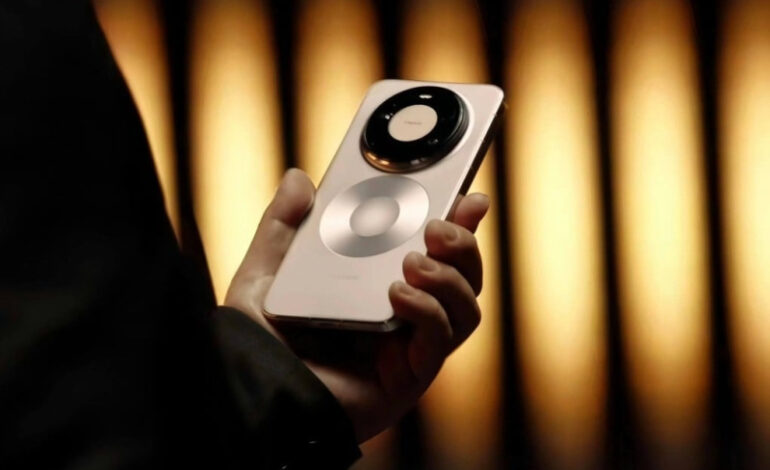
Huawei Technologies has stepped up its international ambitions with the global debut of its Mate 80 Pro smartphone and a new smartwatch lineup, marking a renewed push into overseas markets after years of geopolitical pressure and supply chain disruption.
The flagship Mate 80 Pro was unveiled at a launch event in Madrid, where the company positioned the device as a symbol of its technological resilience and long term commitment to global consumers. Central to the strategy is Huawei’s self designed Kirin 9030 Pro processor, a domestically developed system on chip that powers both the domestic and overseas versions of the device.
The international model of the Mate 80 Pro runs on EMUI 15, an Android based operating system tailored for global markets. In China, the same hardware platform operates on Huawei’s proprietary HarmonyOS, reflecting the company’s dual software approach as it navigates regulatory and ecosystem differences across regions. Despite software variation, the underlying chip architecture remains consistent, underscoring Huawei’s growing confidence in its in house semiconductor capabilities.
Priced at 1,299 euros, the overseas Mate 80 Pro targets the premium smartphone segment traditionally dominated by American and South Korean brands. Huawei executives highlighted improvements in processing efficiency, camera performance, and battery optimization, signaling that the device is intended to compete directly with top tier flagship models worldwide.
The Kirin 9030 Pro processor represents a key milestone in Huawei’s broader technology roadmap. Developing advanced mobile chips domestically has become a strategic priority as access to certain foreign semiconductor technologies remains constrained. By integrating its own high performance processor into global devices, Huawei aims to demonstrate technological independence while reassuring international buyers of product reliability.
Alongside the smartphone, Huawei introduced a new smartwatch and expanded health focused features across its wearable portfolio. One of the notable additions is a wheelchair mode designed to improve activity tracking and health monitoring for users with mobility limitations. The feature reflects a growing industry trend toward inclusive design and broader digital health integration.
Analysts view the coordinated smartphone and wearable release as part of a larger ecosystem strategy. By strengthening connectivity between handsets, watches, and cloud services, Huawei is seeking to rebuild brand loyalty in markets where its presence had previously declined.
The Madrid launch highlights the company’s intent to reestablish itself as a serious contender in Europe and other international regions. While competition remains intense and global smartphone growth has moderated, Huawei appears focused on leveraging hardware innovation and integrated software experiences to regain momentum.
As the global technology landscape evolves, Huawei’s latest product cycle signals a renewed phase of expansion driven by domestic chip development and ecosystem refinement, positioning the company for a potential comeback on the international stage.