Huawei’s HarmonyOS Reaches Survival Milestone with 27 Million Users
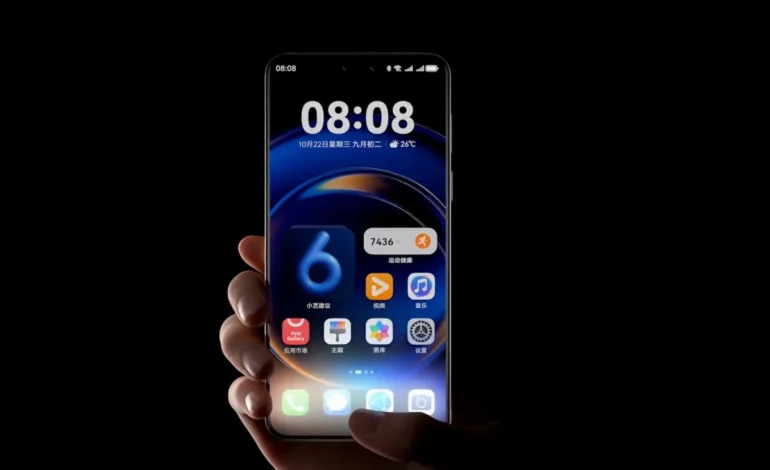
HarmonyOS Passes a Critical Threshold
Huawei’s in house operating system HarmonyOS has reached a key moment in its development, surpassing 27 million users worldwide. The milestone marks what the company itself describes as a survival line, signaling that the platform has moved beyond early experimentation into a phase of sustainable growth. For Huawei, this achievement represents more than a user statistic. It reflects years of investment aimed at building a viable alternative to the dominant mobile ecosystems controlled by Apple and Google.
A Strategic Response to Global Tech Pressures
HarmonyOS was developed by Huawei Technologies amid growing restrictions on its access to foreign software and hardware technologies. Faced with limitations on using Android and other US linked platforms, Huawei accelerated its push to create a self sufficient operating system. Reaching 27 million users suggests that the strategy is beginning to gain traction, particularly within China, where Huawei retains strong brand loyalty and ecosystem control.
New Versions Drive Adoption
The latest versions of the system HarmonyOS 5 and HarmonyOS 6 have played a central role in expanding the user base. Huawei highlighted the releases as key drivers behind the growth surge, citing improved performance broader device compatibility and a smoother user experience. These upgrades have helped persuade users to remain within the HarmonyOS ecosystem rather than migrate to alternatives such as iOS.
Developer Ecosystem Reaches Scale
Beyond user numbers, Huawei has emphasized the rapid expansion of its developer community. The HarmonyOS ecosystem now includes more than 10 million developers, a figure that signals growing confidence among software creators. A large developer base is critical for any operating system, as application availability often determines whether users stay engaged. Huawei reports that daily activity includes over 88 million app downloads and updates, reflecting rising usage intensity rather than passive adoption.
Device Activations Show Momentum
User engagement metrics also point to accelerating momentum. According to Huawei, more than 100,000 new devices running HarmonyOS are activated each day. This steady inflow suggests that the operating system is not only retaining existing users but also attracting new ones through smartphones tablets wearables and smart home products. HarmonyOS was designed as a distributed system capable of running across multiple device categories, and this cross device approach appears to be paying off.
Competing in a Two Platform World
The global mobile operating system market remains dominated by two players, leaving little room for challengers. Breaking this duopoly requires both scale and ecosystem depth. Huawei’s description of the 27 million user mark as a survival line reflects this reality. Below a certain threshold platforms struggle to attract developers content and long term investment. Crossing it improves the chances of remaining relevant and competitive over time.
Domestic Strength and Global Limits
While HarmonyOS has achieved meaningful growth, most of its success remains concentrated within China. International expansion continues to face obstacles related to hardware availability app compatibility and geopolitical tensions. Even so, building a strong domestic base gives Huawei leverage and resilience. A stable home market allows the company to refine the platform before pursuing broader adoption.
What the Milestone Means Going Forward
Reaching 27 million users does not place HarmonyOS on equal footing with global leaders, but it does confirm its viability. The platform has moved from a defensive response into a functioning ecosystem with active users developers and daily engagement. For Huawei, the survival line is less about victory and more about endurance. It signals that HarmonyOS is no longer an experiment but a lasting pillar of the company’s long term strategy in a fragmented global tech landscape.