
Indonesia’s Gaza peacekeeping pledge raises concerns of possible tensions with Hamas
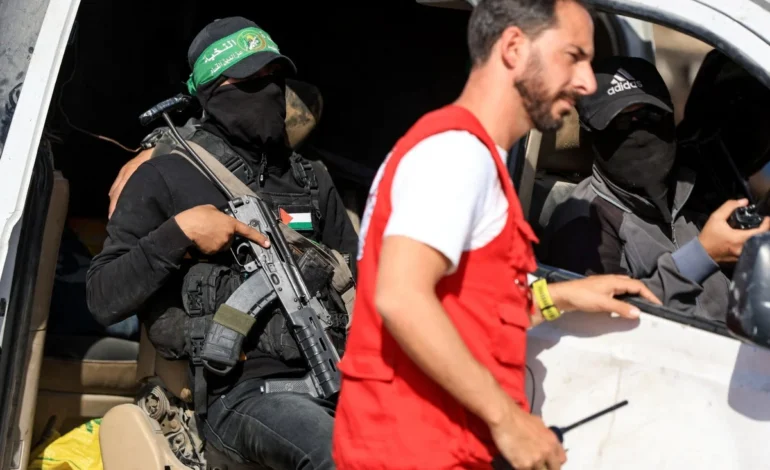
Indonesia’s commitment to send troops to Gaza as part of a proposed international stabilisation force has sparked concerns among analysts, who say the move risks pulling Jakarta into a complex and sensitive conflict. The initiative, backed by the United States, aims to help stabilise Gaza after the recent escalation, but questions remain about how such a force would be perceived by parties involved in the region.
Jakarta has long supported Palestinian statehood and has consistently voiced strong solidarity with the Palestinian people in international forums. Analysts say this history of support contrasts with the goals of a stabilisation force that may be tasked with responsibilities such as overseeing security transitions or potentially disarming local armed groups, including Hamas. They warn that Indonesia’s participation could be viewed by some as a shift away from its traditional diplomatic position.
Indonesia’s pledge was highlighted after President Prabowo Subianto repeated his offer to send as many as 20,000 troops to Gaza to assist in peacekeeping efforts. Prabowo has framed the commitment as a humanitarian and stabilisation mission intended to help restore order and support the rebuilding of the territory. Yet foreign policy observers argue that the situation on the ground remains unpredictable, making any deployment highly delicate.
Several analysts suggest that Indonesia’s involvement could trigger accusations from some groups that it is aligning itself with the United States and Israel, given that the proposed force is expected to rely heavily on US backing. Such perceptions, they say, could undermine Indonesia’s decades-long reputation as one of the most vocal Muslim-majority supporters of the Palestinian cause. They also note that if the mission requires cooperation with Israeli or US military planning, the political implications for Jakarta could be significant both domestically and internationally.
Analysts also caution that participation in the mission could expose Indonesian troops to the possibility of armed confrontation, especially if the stabilisation force is expected to confront or disarm Hamas. They point out that the mandate of an international force has not yet been clearly defined, leaving room for the possibility that peacekeeping responsibilities could expand into operations that go beyond monitoring and humanitarian support.
Despite these concerns, supporters of Indonesia’s offer argue that the country could play a constructive role given its diplomatic experience, its credibility within the Muslim world, and its history of participating in United Nations peacekeeping missions. They believe Indonesian troops could help maintain order, provide humanitarian assistance, and support efforts to rebuild critical infrastructure.
The debate over Indonesia’s involvement continues as discussions develop around the formation of the stabilisation force and the shape of post-conflict Gaza. With strong domestic support for the Palestinian cause and a long tradition of peacekeeping, Indonesia faces a challenging balance between contributing to international stabilisation efforts and maintaining its established diplomatic stance. How the mission’s mandate evolves in the coming weeks will likely determine the level of political and security risks Jakarta may face.



