Industrial Mobility Upgrades in Tier-2 Cities
China’s rapid urbanization and economic growth have increasingly focused on tier-2 cities, which serve as hubs for industrial production, logistics, and regional trade. Unlike tier-1 cities, these areas often face infrastructure bottlenecks, inefficient transportation systems, and limited adoption of advanced mobility technologies. By 2025, significant investments in industrial mobility upgrades are underway, driven by government policies, private sector participation, and technological innovation. These upgrades encompass smart logistics, automated manufacturing transport, electric fleets, and intelligent traffic management systems. This blog explores the evolution of industrial mobility in tier-2 cities, highlighting technological, policy, and operational developments.
Government Policies Driving Industrial Mobility
Policy support is central to mobility upgrades in tier-2 cities. National and provincial initiatives focus on promoting sustainable transportation, industrial automation, and regional connectivity. Incentives include tax breaks for electric and autonomous vehicles, grants for smart logistics solutions, and support for intelligent transport infrastructure. Policies also encourage public-private partnerships, enabling private investment in city infrastructure, while ensuring alignment with environmental standards and regional development goals. These measures aim to improve logistics efficiency, reduce emissions, and enhance industrial productivity.
Expansion of Electric Fleets and Smart Vehicles
Industrial mobility upgrades increasingly rely on electrification. Tier-2 cities are integrating electric trucks, delivery vans, and utility vehicles to reduce dependence on fossil fuels and lower operating costs. Manufacturers like BYD, Dongfeng, and SAIC provide fleets with enhanced battery performance, range, and durability suitable for industrial operations. In addition, autonomous and semi-autonomous industrial vehicles are being tested in warehouses, ports, and logistics centers, improving operational efficiency while minimizing human error.
Smart Logistics and Supply Chain Optimization
Modern industrial mobility emphasizes smart logistics solutions. IoT-enabled sensors, GPS tracking, and real-time fleet management systems are deployed to optimize routing, monitor vehicle health, and predict maintenance needs. Tier-2 cities are implementing centralized logistics hubs that integrate automated scheduling, cargo tracking, and predictive analytics. These systems reduce transportation delays, enhance inventory management, and improve responsiveness to market demand, contributing to more efficient industrial operations.
Integration with Regional Infrastructure
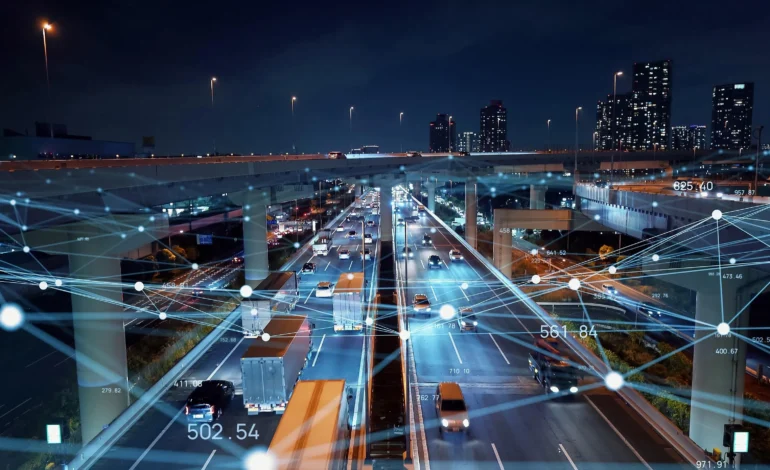
Mobility upgrades in tier-2 cities are closely linked with regional infrastructure development. New expressways, rail connections, and multimodal transport hubs facilitate the movement of goods and personnel. Smart traffic management systems using AI and big data monitor congestion, prioritize industrial routes, and adjust traffic signals to optimize flow. By integrating mobility with regional transport infrastructure, tier-2 cities enhance the competitiveness of local industries and improve connectivity with tier-1 urban centers and global markets.
Technological Innovations in Industrial Mobility
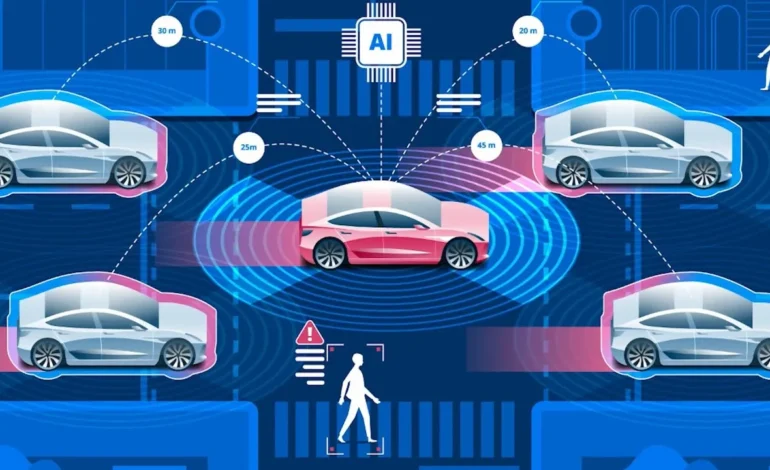
Technological innovation is a key driver of mobility upgrades. Advanced driver-assistance systems (ADAS), electric powertrains, and connected vehicle platforms improve safety and efficiency. AI-driven traffic prediction tools and autonomous logistics vehicles are increasingly adopted in industrial zones. Vehicle-to-infrastructure (V2I) communication enables real-time updates on traffic conditions, road hazards, and delivery schedules, facilitating smoother operations. These innovations reduce operational costs, enhance reliability, and promote sustainable industrial growth.
Public-Private Partnerships and Investment Trends
Private sector participation complements government initiatives in tier-2 cities. Companies invest in electric fleets, smart logistics platforms, and charging infrastructure, often in collaboration with municipal authorities. Public-private partnerships (PPPs) provide financing for infrastructure projects, operational expertise, and technology deployment, enabling faster implementation and cost sharing. By combining resources, these collaborations accelerate mobility upgrades and ensure alignment with industrial and environmental goals.
Industrial Zones and Smart City Integration
Many tier-2 cities are integrating industrial mobility upgrades within broader smart city initiatives. Industrial zones are equipped with intelligent traffic management, IoT monitoring systems, and data analytics platforms. Integration with urban planning ensures that mobility improvements benefit both industrial and public transportation systems. Smart city technologies allow real-time monitoring of energy consumption, emissions, and vehicle performance, enabling cities to make data-driven decisions and optimize operations for both economic and environmental outcomes.
Challenges in Implementation
Despite progress, tier-2 cities face challenges in implementing industrial mobility upgrades. Limited funding, fragmented infrastructure, and a shortage of skilled technical personnel can slow project rollout. Standardization of technologies, interoperability of autonomous and electric vehicles, and integration with existing transport systems require careful planning. Regulatory frameworks for vehicle safety, emissions, and autonomous operations must also be updated to support rapid deployment. Addressing these challenges is essential to maximize the benefits of mobility upgrades.
Environmental and Economic Benefits
Industrial mobility upgrades contribute significantly to environmental sustainability and economic efficiency. Electrification reduces carbon emissions, improves air quality, and decreases reliance on imported fuels. Smart logistics and traffic management lower fuel consumption, reduce delivery times, and optimize supply chains. Improved industrial mobility enhances competitiveness for local enterprises, attracts investment, and promotes regional economic development. These combined benefits align with China’s goals of sustainable urbanization and green industrial growth.
Case Example: Tier-2 Smart Industrial Corridor
In 2025, a pilot tier-2 city in central China is upgrading its industrial corridor with integrated electric fleets, autonomous delivery vehicles, and smart traffic systems. Data from IoT sensors and vehicle telematics feed into a centralized management platform, optimizing logistics and minimizing downtime. AI-powered predictive maintenance ensures high fleet availability, while real-time traffic analysis reduces congestion on industrial routes. Collaboration between city authorities and private companies ensures project sustainability, demonstrating the potential impact of coordinated mobility upgrades.
Future Outlook
Looking forward, tier-2 cities will continue to expand electric mobility, autonomous operations, and integrated logistics systems. Emerging technologies such as vehicle-to-grid solutions, AI-driven fleet optimization, and advanced battery systems will enhance efficiency and sustainability. Continued policy support, investment in infrastructure, and technological innovation will enable these cities to become competitive regional industrial hubs, driving economic growth and environmental improvements in parallel.
Conclusion
Industrial mobility upgrades in China’s tier-2 cities are reshaping the landscape of regional logistics, manufacturing, and transportation. By integrating electric vehicles, smart logistics platforms, AI-driven traffic management, and public-private collaboration, these cities are overcoming historical infrastructure challenges and creating efficient, sustainable industrial ecosystems. The combination of technological innovation, policy support, and strategic investment ensures that tier-2 cities will play a critical role in China’s industrial modernization and regional economic competitiveness in 2025 and beyond.