
Industrial Upgrades Driven by Automation in China
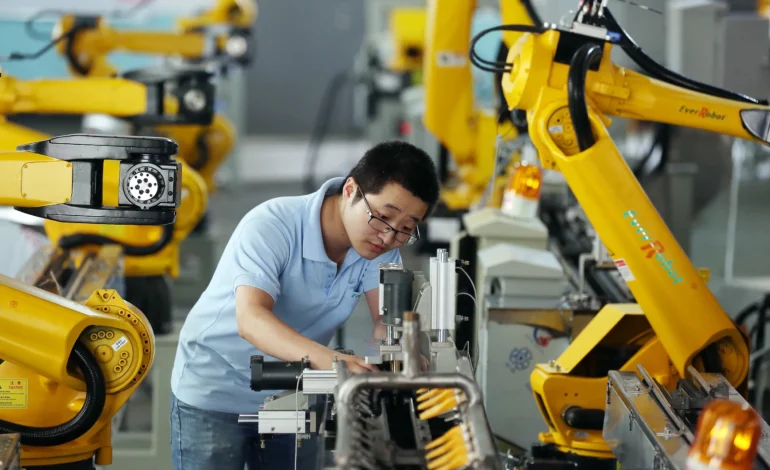
Automation has become a central force in modernizing China’s industrial sector. By 2025, industrial upgrades leveraging robotics, artificial intelligence, and smart manufacturing systems are reshaping production processes, improving efficiency, and enhancing competitiveness. The integration of automated technologies accelerates industrial productivity, reduces costs, and supports China’s strategic objective of technological self-reliance. This blog explores how automation drives industrial upgrades, highlights key sectors, examines economic impact, and analyzes the implications for workforce development.
Government Policies Supporting Industrial Automation
Government initiatives play a critical role in promoting automation and industrial upgrades. Policies such as the “Made in China 2025” plan and regional smart manufacturing strategies provide funding, tax incentives, and guidance for adopting advanced technologies. Grants and low-interest loans support investment in robotics, AI systems, and IoT infrastructure. Local governments often establish industrial clusters, pilot programs, and innovation zones to accelerate technology integration, ensuring that domestic industries maintain global competitiveness.
Technological Advancements Driving Upgrades
Technological innovation underpins industrial upgrades across multiple sectors. Robotics streamline repetitive tasks, AI optimizes production processes, and IoT devices provide real-time monitoring. Machine learning algorithms enhance predictive maintenance, process optimization, and quality control. Automation systems integrate seamlessly with existing manufacturing lines, enabling scalability, efficiency, and consistency. By leveraging these technologies, Chinese industries increase production output while reducing operational costs.
Automated Manufacturing in Key Industries
Key industries, including automotive, electronics, chemicals, and heavy machinery, have embraced automation to enhance productivity. Automotive factories implement robotic assembly lines, AI-driven quality control, and automated logistics. Electronics manufacturers integrate automated soldering, inspection, and component handling systems. Chemical and heavy machinery sectors utilize process automation and smart sensors to improve efficiency and reduce safety risks. Industrial upgrades through automation have become essential for global competitiveness.
Economic Impact of Automation
Automation-driven industrial upgrades contribute significantly to China’s economic growth. Increased efficiency reduces production costs, enabling competitive pricing in domestic and international markets. Higher productivity supports revenue growth and enhances global market share. Automation also stimulates investment in technology, infrastructure, and R&D, creating a multiplier effect across the economy. By 2025, industries adopting automation are better positioned to respond to market demands and technological shifts.
Workforce Transformation and Skills Development
Automation transforms the industrial workforce, emphasizing advanced technical skills and digital literacy. Traditional manual labor is increasingly complemented by roles in programming, robotics operation, AI system management, and process engineering. Companies invest in workforce training, reskilling programs, and vocational education to prepare employees for new responsibilities. Workforce adaptation ensures that industrial upgrades are sustainable and that employees remain productive contributors to the automated economy.
Integration of AI and Machine Learning
Artificial intelligence and machine learning are central to process optimization, predictive maintenance, and decision-making in automated factories. AI analyzes production data, identifies inefficiencies, and suggests operational improvements. Machine learning models anticipate equipment failure, optimize energy consumption, and enhance supply chain management. Integration of AI ensures that industrial upgrades deliver measurable efficiency gains and support continuous improvement in manufacturing operations.
IoT and Smart Factory Implementation
The Internet of Things (IoT) enables real-time monitoring, data collection, and seamless communication across production systems. Sensors track machine performance, environmental conditions, and product quality. Connected systems allow centralized control, automated adjustments, and rapid response to anomalies. Smart factories leverage IoT to achieve higher productivity, minimize downtime, and improve resource utilization. These capabilities are essential for modern industrial upgrades and sustainable production practices.
Regional Industrial Upgrades
Different regions in China focus on sector-specific automation strategies. Coastal provinces with advanced manufacturing clusters prioritize electronics, automotive, and high-tech industries. Inland regions focus on heavy industry, energy, and resource-intensive sectors. Regional specialization allows targeted investment in automation technologies, infrastructure, and workforce development, maximizing the impact of industrial upgrades on local economies.
Investment Trends in Industrial Automation
Investment in robotics, AI systems, and smart manufacturing infrastructure is increasing rapidly. Both private and state-backed enterprises allocate capital to acquire advanced machinery, develop proprietary automation solutions, and enhance production lines. Investments in R&D support innovation in process automation, energy efficiency, and industrial IoT integration. Strong investment trends ensure that industrial upgrades continue to drive productivity and economic growth.
Supply Chain Optimization and Automation
Automation extends beyond manufacturing to supply chain management. Automated warehousing, logistics, and inventory tracking improve efficiency, reduce errors, and enhance responsiveness. AI-driven demand forecasting and process optimization streamline operations from raw material procurement to final product delivery. Supply chain automation strengthens competitiveness, reduces costs, and enhances customer satisfaction in domestic and international markets.
Environmental and Energy Efficiency Benefits
Automation supports energy-efficient production and environmental sustainability. Smart manufacturing systems optimize resource utilization, reduce waste, and monitor emissions. AI algorithms improve energy management, enabling factories to minimize electricity and water consumption. Industrial upgrades through automation contribute to greener production practices, aligning with China’s environmental objectives and global sustainability commitments.
Challenges in Industrial Automation
Despite benefits, automation presents challenges, including high capital costs, technological integration complexities, and workforce adaptation. Small and medium-sized enterprises may struggle to implement advanced automation solutions. Additionally, cybersecurity risks, system maintenance, and technology obsolescence require careful management. Companies and policymakers address these challenges through phased implementation, workforce training, and technology partnerships.
Future Outlook
By 2025, industrial automation will continue to drive upgrades across China’s manufacturing sectors. Advances in robotics, AI, IoT, and smart factory systems will enhance productivity, quality, and operational flexibility. Continued investment in technology and workforce development will ensure that China maintains global competitiveness. Automation-driven industrial upgrades will play a central role in economic growth, innovation, and sustainable manufacturing practices.
Conclusion
Industrial upgrades driven by automation are transforming China’s manufacturing landscape. Integration of robotics, AI, and IoT enhances productivity, efficiency, and quality across key sectors. Government policies, investment in R&D, and workforce reskilling support sustainable adoption of automated systems. By 2025, automation will continue to strengthen industrial competitiveness, economic growth, and technological self-reliance, positioning China as a leader in modernized manufacturing and smart industrial development.



